

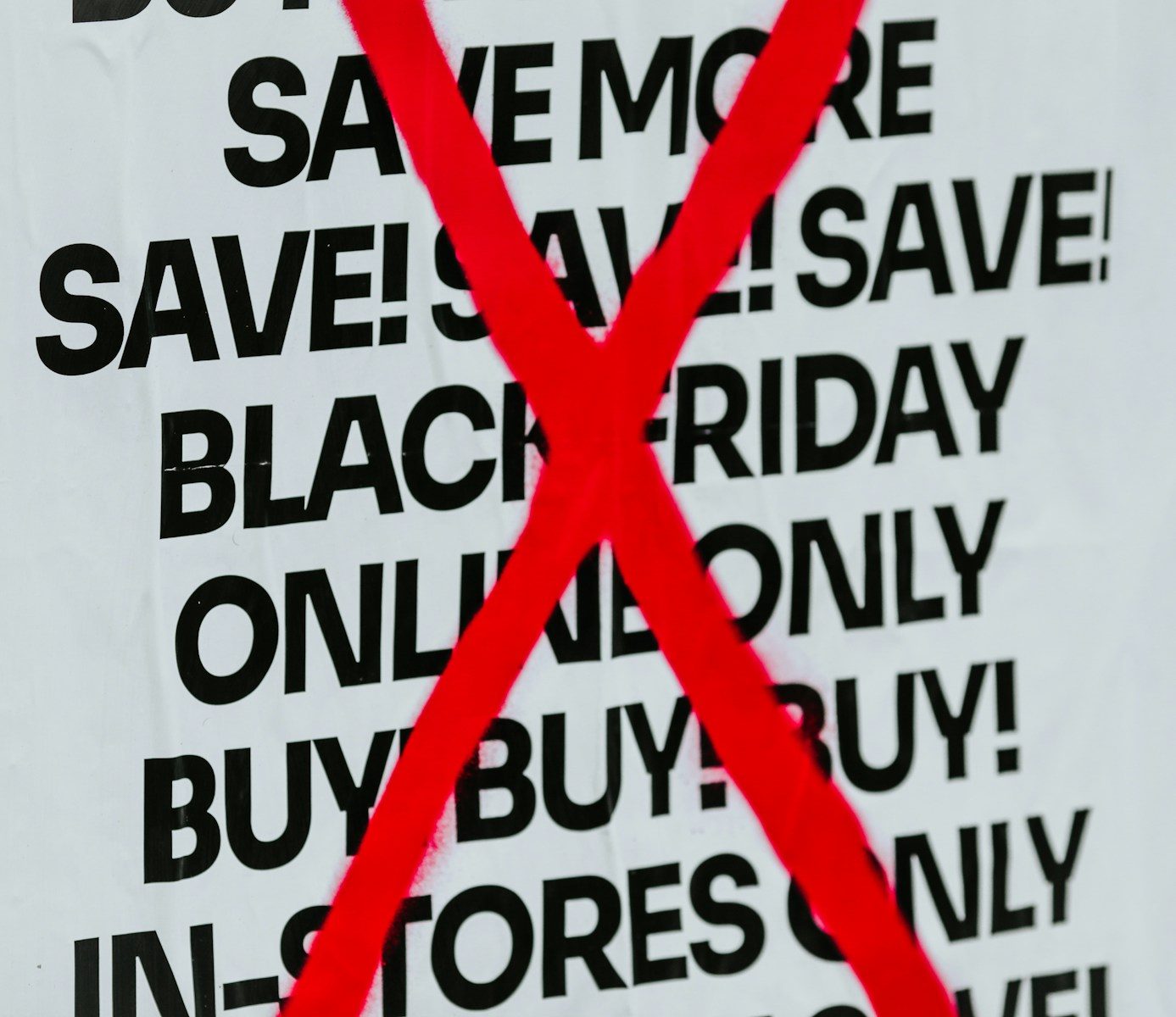
More than a third of UK small businesses are skipping Black Friday, according to new MoneySuperMarket research TechRadar Pro covered on November 25, 2026. The share of firms opting out rose to 35%, up from 22% last year. Many owners now see deep discounts as a threat to long-term profit.
The trend started in Britain, but US solo sellers know the pressure. Thin margins leave little room to slash prices for one weekend. Small Business Saturday lands on November 28, so many owners face the same choice right now.
What The Research Actually Found
MoneySuperMarket’s data paints a split picture. About 53% of firms agree that Black Friday is a great way to win new customers. Yet only 32% call it an important sales boost.
Many owners now ask whether the discounts pay off. Alicia Hempsted, a business insurance expert at MoneySuperMarket, said some firms “are weighing up whether discounting is the right strategy for their business.” Firms that do take part still report new customers and higher sales.
TechRadar also points to Boston Consulting Group research on shopper attitudes. In that study, 70% of customers said frequent promotions make them doubt a brand’s quality. Constant sales can erode the trust a small brand works hard to build.
Why This Matters For Self-Employed Sellers
A big retailer can absorb a 30% discount across thousands of products. A solo maker or one-person shop usually cannot. A steep cut can wipe out profit on every order and leave you working the busiest week for free.
Shoppers have also changed how they use the event. TechRadar notes that many buyers use Black Friday deals to trim their planned Christmas spending. That means some sales simply move earlier at a lower price, instead of adding new revenue.
Brand image matters too. If customers learn to wait for your annual sale, full-price months get harder. US shoppers still strongly support local shops, as an Amex survey found ahead of Small Business Saturday.
What Self-Employed Sellers Should Do Next
Run the numbers before you set a discount. Work out your true margin on each product after fees, shipping, and packaging. Then set a floor price you will not go below, even for a holiday promotion.
Consider value offers instead of price cuts. A free gift, a bundle, or free shipping over a set order size can lift sales with less margin damage. Early access for your email list can also reward loyal buyers without training everyone to wait.
If you skip Black Friday, tell customers why. A short note about fair pricing or handmade quality can make that decision part of your story. Many buyers respect a clear stance more than another sale banner.
What To Watch Next
Watch post-holiday sales data from payment processors and marketplaces in December. Those reports will show whether firms that skipped Black Friday lost ground or held their margins. The results could shape strategy for the 2027 season.
Also track your channel numbers this week. Compare average order value and repeat purchases with last year. That data will tell you more than any national trend about whether discounts work for your shop.
Photo by Jon Tyson: Unsplash


