

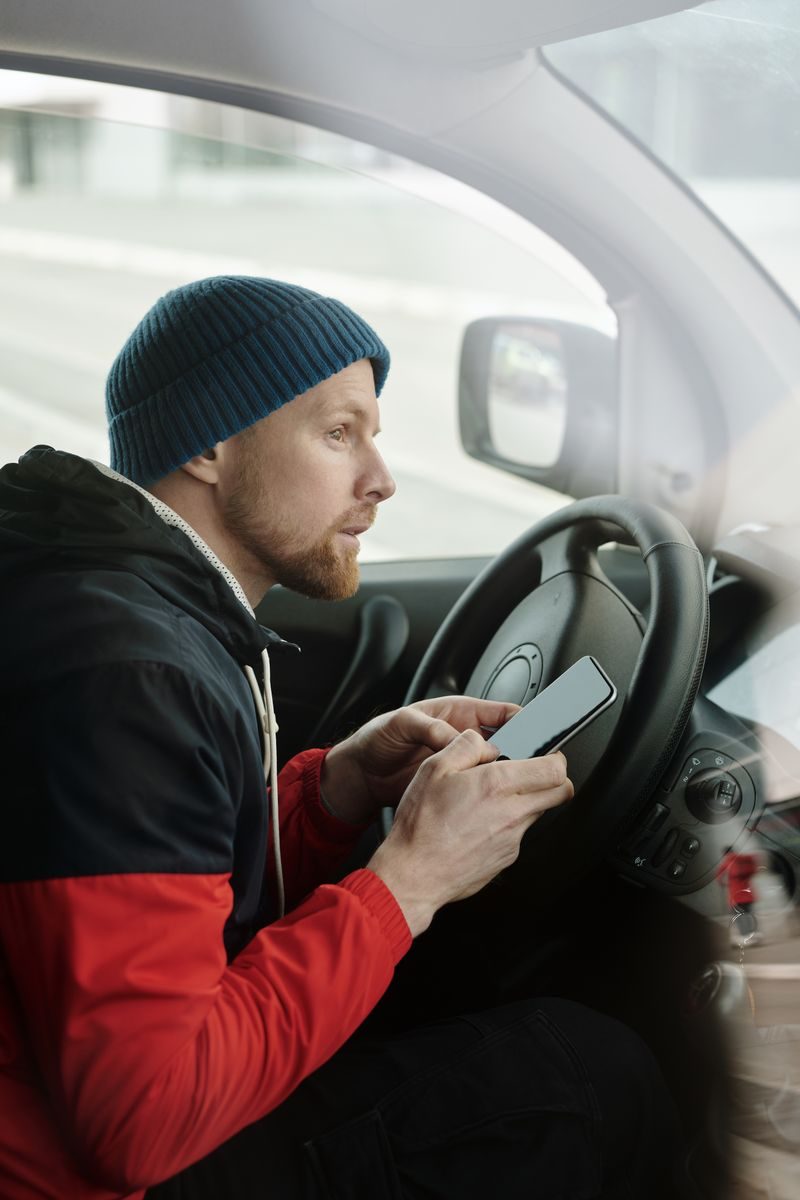
An 11-year Uber driver in the Washington, D.C., area lost his account over a single wrong insurance document, Business Insider reported on November 22, 2026. Mujtaba Khan, 52, held a five-star rating before the deactivation. He now drives for a local black-car service and for chauffeur company Blacklane.
His story spread quickly among drivers this week. For gig workers, it shows how a small paperwork slip can end years of income overnight. It also shows how few options a driver has once the platform says no.
What Actually Happened To The Driver
In September, Khan uploaded an insurance certificate to the Uber app. His insurer sent him a placeholder document, not proof of his own policy. Uber then deactivated him, citing a “fake document,” according to a message Business Insider reviewed.
Khan appealed and sent the correct certificate. Uber rejected the appeal, based on a screenshot the outlet saw. An Uber spokesperson said the company is still investigating and that deactivations involve “careful consideration.”
Khan summed up his position plainly: “The problem with Uber is that there’s nowhere I can go.” He now drives his 2025 Chevrolet Suburban on a fixed schedule.
He also picks up rides through Blacklane, the Berlin chauffeur firm that Uber said in March it planned to buy. “I’m not a freelancer like before,” he told the outlet.
Why This Matters For Self-Employed Drivers
Rideshare and delivery apps generally keep the right to deactivate workers at will. Drivers can appeal and may pursue binding arbitration, but those paths take time. Meanwhile, the income stops.
Uber’s spokesperson told the outlet, “We understand how stressful losing access to the platform can be.” That sympathy does little for a driver whose earnings have already stopped.
Document checks add another risk. Insurance cards, licenses, and vehicle records expire and change on their own schedules. One upload error can look like fraud to an automated review, even when the driver did nothing wrong.
Gig workers have pushed back on bans in new ways this year. Some have started using ChatGPT to appeal bans from Uber and Instacart. Still, Khan’s case shows that a strong appeal does not guarantee a reversal.
What Self-Employed Drivers Should Do Next
Check every document before you upload it. Confirm that your name, policy number, vehicle, and dates appear on the page. If your insurer sends a sample or temporary form, ask for your official proof first.
Keep your own records too. Save copies of every upload, screenshot each app message, and note the dates. That paper trail helps in an appeal, in arbitration or with a local driver advocacy group.
Most importantly, spread your income across multiple platforms or clients. Khan already had other driving options when Uber cut him off. Drivers who rely on one app have no fallback when an account goes dark.
What To Watch Next
Watch for Uber to finish reviewing Khan’s case. A reversal would suggest public attention can still sway a deactivation decision. Also watch whether states add stronger deactivation rules for drivers.
New York has already acted for delivery workers. Under a 2026 settlement, Uber Eats reinstated up to 10,000 accounts in the city. Similar protections could spread as lawmakers look at how apps handle bans.
Driver supply is another factor. Uber CEO Dara Khosrowshahi said earlier in November that the company is offering more driver bonuses for the first time in several years. Losing experienced, highly rated drivers over paperwork sits awkwardly next to that push.
Photo by Norma Mortenson: Pexels


