

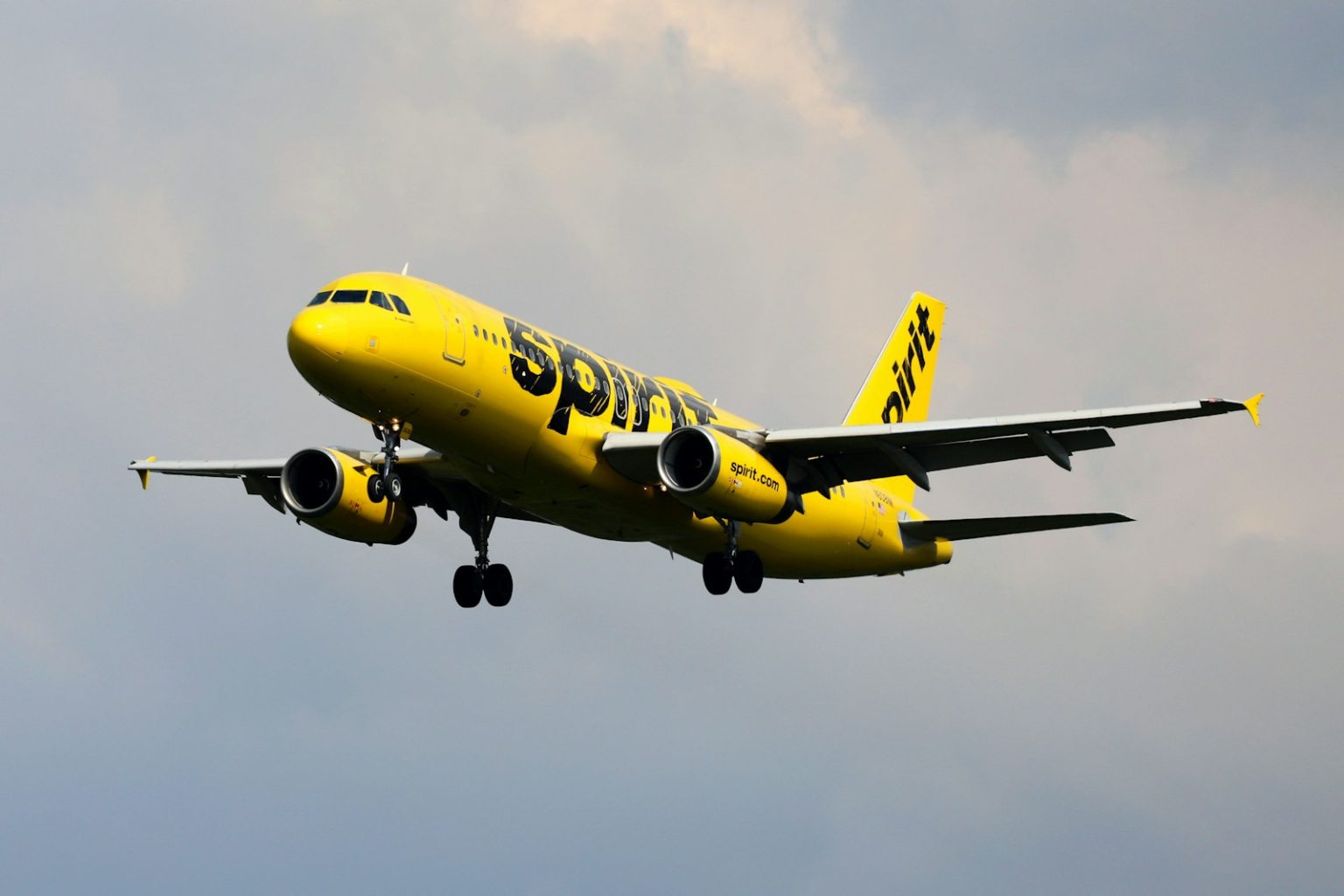
The situation surrounding Spirit Airlines stock (ticker SAVE) has stayed complex through its bankruptcy filings, halted merger talks, and operational turbulence. Independent investors, self-employed pros, and small business owners holding the name have asked the same question on repeat: why is Spirit stock dropping and what comes next? This guide breaks down the current state of SAVE and the factors driving its performance, in plain English.
Key takeaways
- Spirit Airlines filed for Chapter 11 bankruptcy, which materially affected SAVE’s equity value.
- The proposed merger with JetBlue was terminated, which weakened investor confidence further.
- Analyst opinions are mixed, with some seeing recovery potential and others remaining bearish.
- Media coverage has skewed negative, shaping public perception of Spirit Airlines.
- External factors like economic conditions and competition continue to drive SAVE’s outlook.
Current state of Spirit stock
Recent performance and trends
Spirit Airlines, trading under SAVE, has been volatile. The stock has seen steep drops with a few surprising jumps. Investors have been on edge, watching every move. The recurring question has been why is Spirit stock dropping so sharply despite occasional rebounds. A quick rundown:
- Big drop after bankruptcy talks hit the news.
- Slight uptick when cost-cutting measures were announced.
- An overall bumpy road with significant volatility.
Market reactions to the bankruptcy filing
When Spirit Airlines filed for bankruptcy, it landed like a bombshell in the market. Investors did not take it well, and the stock dropped sharply. For anyone asking why is Spirit stock dropping, the bankruptcy announcement provides the clearest answer. Here is how it unfolded:
- Initial shock sent prices plummeting.
- Speculators jumped in, hoping for a turnaround.
- The market remains jittery, waiting to see what happens next.
Impact of the merger termination with JetBlue
The merger with JetBlue was meant to be a major catalyst, but it fell through. That did not help SAVE’s situation. For investors asking why is Spirit stock dropping, the collapse of this deal explains much of the downward pressure:
- The merger termination created more uncertainty.
- Investor confidence weakened.
- The stock has struggled to find its footing.
Spirit Airlines is in a tough spot. With bankruptcy looming and the JetBlue merger off the table, the company faces real challenges. A comeback remains possible if execution improves.
Financial restructuring efforts
Chapter 11 bankruptcy details
Spirit Airlines entered Chapter 11 bankruptcy as a structured reset for companies in deep financial trouble. Chapter 11 is designed to let a company keep operating while it restructures its debts. The plan involves a $650 million capital boost: $300 million from future equity and $350 million as debtor-in-possession financing. That cash is intended to keep operations running while the rest of the plan is finalized.
For a plain-English overview of how Chapter 11 actually works, the U.S. Courts publishes a clear primer on Chapter 11 bankruptcy basics, which is the cleanest free reference for investors trying to understand what happens to a company’s debts and equity inside a reorganization.
Creditor agreements and financing plans
Spirit secured agreement from most bondholders on a prearranged plan, which means terms were agreed in advance to smooth the process. The plan converts $795 million of funded debt into equity, with a $350 million equity investment from bondholders. The aim is to keep the airline operating without further turbulence while restructuring proceeds.
Potential outcomes for shareholders
The outlook for existing shareholders is not rosy. Once trading resumes, shares may trade for pennies. Shareholders can sell or hold and hope for a recovery plan, but under the current structure, equity is expected to “have no value.” Speculation is possible, but unlikely to reward most investors. The U.S. Securities and Exchange Commission warns in its investor.gov bankruptcy primer that existing common stock is often canceled or sharply diluted in Chapter 11, which is the most important sentence many retail holders skip.
Analyst perspectives on Spirit stock
Bearish and bullish sentiments
Analyst views on Spirit Airlines, or SAVE, are split. Some remain optimistic, while others highlight mounting debt and ask why is Spirit stock dropping without signs of reversal. The cautious view sees more downside ahead. The optimists see a possible rebound if execution improves.
Analyst forecasts and recommendations
Forecasts are divided. Some analysts treat the stock as a lost cause, others see room for a turn. The result is a tug-of-war between “sell now” and “hold a little longer.”
| Analyst | Recommendation |
|---|---|
| Analyst A | Sell |
| Analyst B | Hold |
| Analyst C | Buy |
Comparisons with sector averages
Compared with other airlines, SAVE looks weak. The broader sector carries more positive sentiment. Recent news sentiment for SAVE has been around 50 percent, while the sector average is closer to 58 percent.
SAVE’s path remains uncertain, and analysts are divided. Some see potential, others see pitfalls. It is a stock that keeps everyone guessing.
For investors considering an entry, a recommended stop-loss around $1.01 has been suggested to help frame the downside risk.
Market sentiment and media coverage
Media buzz and news sentiment analysis
Recent media coverage has been lighter than usual. In a typical week, you might see 10 to 11 articles. Recent weeks have averaged closer to six. Roughly half of recent coverage has been positive, below the sector’s 58 percent average.
Public perception of Spirit Airlines
Spirit Airlines has been in the news for many reasons. Each headline prompts new questions about why is Spirit stock dropping faster than competitors. The uncertainty fuels volatility and complicates recovery. Coverage has included flight bans to certain destinations after operational incidents and the broader bankruptcy filing after the JetBlue deal fell apart. These narratives shape perception and can make retail investors more wary.
Impact of recent news on stock prices
News flow has a measurable effect on price. Negative headlines about operations or bankruptcy can prompt sell-offs. Positive headlines, like merger progress, can lift prices. The combination produces a rollercoaster, especially in a thinly traded restructuring story.
The media can move a stock meaningfully. A single headline can change sentiment overnight when the underlying business is fragile.
Future prospects for Spirit stock
Potential for recovery or further decline
SAVE faces a tough setup. Bankruptcy proceedings and the failed JetBlue deal leave the path to recovery uncertain. Investors are watching for any structural improvement, though the near-term outlook remains grim.
Strategic plans for business continuity
Spirit has discussed cost reductions, jet sales, and potential layoffs. These steps are unpleasant, but consistent with airlines trying to right-size during distress.
Investor considerations and risks
For current investors, the choice is unattractive. Selling locks in losses; holding bets on a recovery plan that may never materialize. With sell ratings stacked and price targets weak, careful sizing and disciplined risk management matter more than usual.
Impact of external factors on Spirit stock
Economic conditions and airline industry trends
Macro conditions affect airlines like Spirit. In softer economies, travel demand weakens, and rising fuel costs squeeze margins. Airlines feel the pinch, and Spirit is no exception.
Regulatory challenges and legal issues
Regulatory load is heavy for airlines. Spirit has navigated merger reviews and operational rule changes. Legal hurdles can slow execution and add cost.
Competitive landscape and market position
Airline competition is intense. Spirit is positioned against larger carriers with stronger balance sheets, broader networks, and richer loyalty programs. Staying relevant requires sharper pricing and route discipline.
The airline industry behaves like a rollercoaster, shaped by the economy, regulation, and competition. Spirit’s ability to navigate these forces will define its future.
Conclusion
Spirit Airlines (SAVE) is working through bankruptcy and the fallout from a failed merger with JetBlue. Investors are weighing whether a restructuring plan can preserve any equity value. The stock has dropped meaningfully, and many shareholders face the prospect of substantial losses. The road ahead is uncertain, and any investor considering a position should be cautious and informed.
Frequently asked questions
What is happening with Spirit Airlines stock?
Spirit Airlines stock, ticker SAVE, has been pressured by a Chapter 11 bankruptcy filing and the failed merger with JetBlue, which combined to weaken investor confidence.
How has the stock performed recently?
SAVE has seen significant declines, particularly after news about the merger termination, with intermittent rebounds driven by restructuring announcements.
What does Chapter 11 bankruptcy mean for Spirit Airlines?
Chapter 11 lets Spirit Airlines continue operating while it restructures its debts. The process often results in existing common stock being canceled or sharply diluted.
Are analysts optimistic about SAVE stock?
Analyst views are mixed. Some are cautious given debt and execution risk, while others see room for recovery if the restructuring delivers a leaner cost base.
How is the public reacting to Spirit Airlines news?
Media coverage has skewed negative, which shapes public perception and adds downward pressure on share price during periods of heightened uncertainty.
What should self-employed investors consider regarding Spirit Airlines stock?
Treat any position as high-risk speculation, size it appropriately within a diversified portfolio, and understand that equity in Chapter 11 frequently ends up canceled or heavily diluted.


