

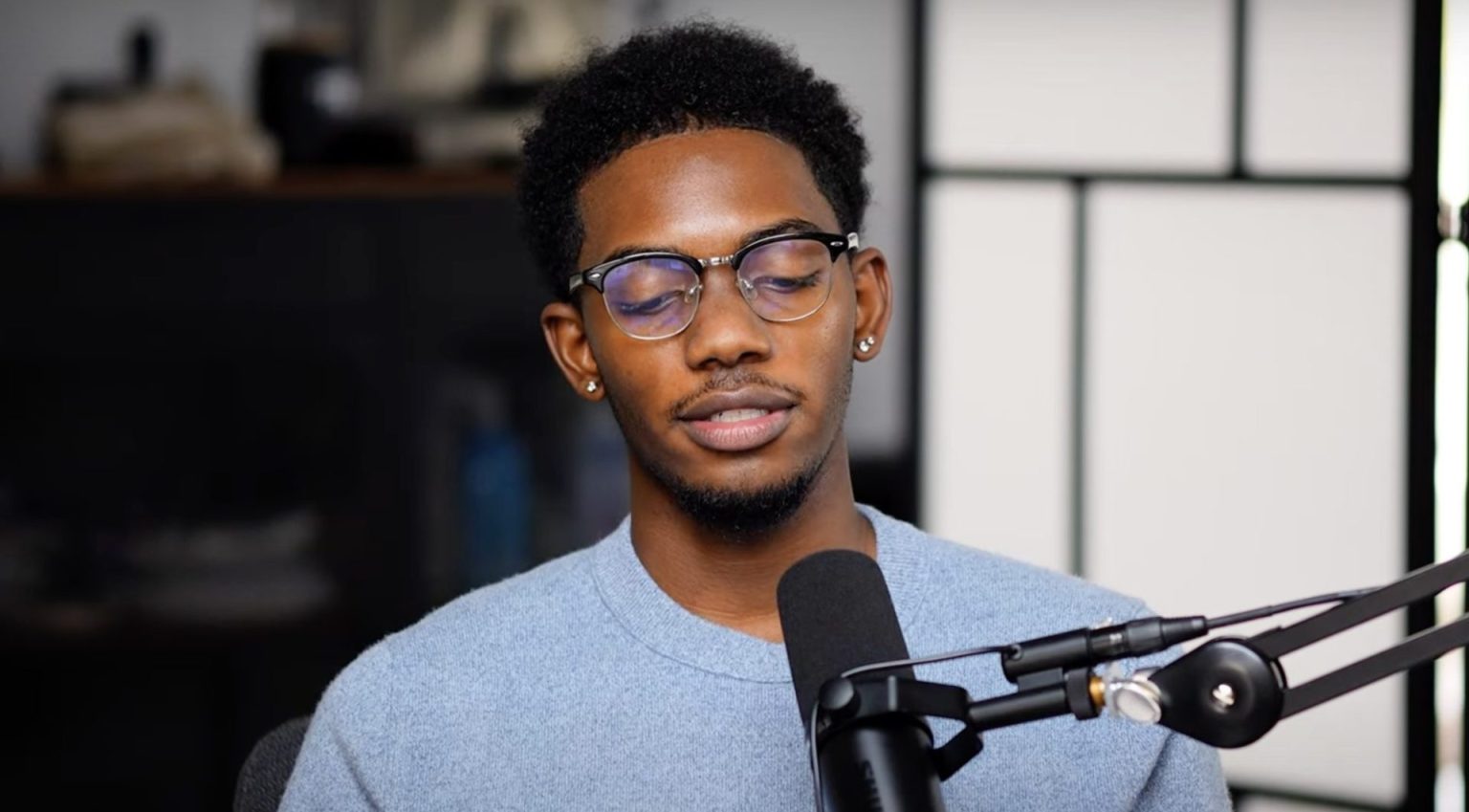
After helping dozens of creators turn their feeds into actual revenue, I have learned that Instagram monetization is less about chasing views and more about engineering a system that converts attention into income. Watching Omar Eltakrori and Jaden Young break down their journey, I had a real wake-up moment about content creation: views do not pay the bills. Omar shared how early in his content career, he hit multiple videos with over a million views and several more with over 500,000, yet only had $60 in his business account to show for it.
This guide is the playbook I now use with my own clients on Instagram monetization, drawn from Omar’s lessons and the patterns I have seen across the creators I have advised. We will cover how to simplify your message, design a content framework that compounds, and turn engagement into customers without burning out.
What real Instagram monetization looks like
Most creators confuse vanity metrics for income. Instagram monetization works when you stack three layers: a sharp message, strong visuals, and a community you talk to like real people. Omar’s turning point came when he stopped chasing views and started focusing on those three elements. Since then, he has grown over 200,000 Instagram followers in under 18 months while building a real revenue stream.
From my own experience advising creators, the two biggest mistakes I see are trying to stand out while still copying what everyone else is doing, and over-relying on talking-head videos instead of using Instagram’s real strength as a visual storytelling platform. The fix is to lean into the format the platform was built for.
Why Instagram is the sweet spot for monetization
Instagram balances TikTok’s fast growth with YouTube’s staying power. YouTube is the long-game endgame, but Instagram is the perfect middle ground for entrepreneurs looking to grow quickly and turn that growth into income. The U.S. Small Business Administration’s marketing and sales guidance reinforces a simple truth most creators ignore: brand awareness only matters if it ladders up to a clear conversion path.
One key insight Omar shared is that over 70 percent of people watch Instagram videos with the sound off. That makes the first 10 to 15 seconds of every video about visual communication, not your voiceover. If a viewer cannot understand your point with the sound muted, you are losing potential income before it ever shows up.
Simplify your message before you scale
The single biggest blocker I see in Instagram monetization is messaging. Many real experts struggle with content because they are used to speaking with industry jargon to other professionals. When you create content for a broader audience, you have to meet people where they are, not where you are.
Omar makes the point that nobody really cares about complicated industry terminology. What they care about is whether your solution addresses their problem. If you are a financial advisor talking about passive income, do not lead with technical investment terms. Lead with a relatable pain point, like “if you do not watch this video, you could lose $1,000 next quarter.”
That is not negativity. It is calibration. Pain points speak to immediate concerns, while pleasure-focused hooks feel distant and require more effort for people to connect with. The simpler the language, the bigger the addressable audience.
Quick message-clarity checklist
- Read your last three captions out loud. If you would not say it to a friend at dinner, rewrite it.
- Replace every industry term with a plain-English equivalent.
- Write one sentence describing who you help and what changes for them. That sentence should live in your bio and your first hook.
The content creation framework that drives Instagram monetization
One of Omar’s most useful contributions is a simple framework for entrepreneurs who freeze when it is time to post. Use it to stop guessing and start producing content that actually moves the needle on Instagram monetization.
Step 1: build 30 ideas across three buckets
- 10 ideas for newcomers to your industry, written like a friendly explainer.
- 10 ideas focused on immediate implementation, things someone can act on in 24 hours or less.
- 10 ideas that give people a taste of what it is like to work with you, including process, behind-the-scenes, and case studies.
Step 2: execute each idea in three formats
- Talking head: straightforward delivery, useful for trust and tone.
- Green screen with supporting visuals like articles, screenshots, or graphics.
- Stitching or reacting to another authority in your space to plug into existing conversations.
This approach gives you 90 pieces of content from 30 ideas while speaking to different segments of your audience. The variety also tells the Instagram algorithm that your account is worth showing to new viewers, which is the foundation of long-term reach.
Visual storytelling: where Instagram monetization is won
Visuals are not decoration. They are the headline. Use props to create visually engaging content, build strong title hooks that grab attention even when muted, and prioritize the first 10 to 15 seconds to capture and hold viewers’ attention.
If the visual hook is not strong, the video flops, no matter how good the content itself is. I have tested this across multiple client accounts and the pattern holds. A weak first frame kills retention, and weak retention kills reach. The Federal Trade Commission’s Disclosures 101 for social media influencers is also worth pinning to your wall, since trust signals like clear sponsorship disclosure quietly raise watch time on the videos that include partnerships.
Visual hook playbook
- Open with a clear on-screen question or claim within two seconds.
- Use one prop per video to break up the talking-head pattern.
- Caption the first sentence so muted viewers understand the angle.
- Cut filler. If a sentence does not move the story forward, delete it.
Consistency is the multiplier
One thing Omar said that really resonated with me is about consistency. He talked about how one of his favorite compliments is when someone says, “I have been following you for a long time.” That kind of loyalty only happens when you show up regularly over time.
Many entrepreneurs think they are being consistent when they post 15 times in three months. In short-form content, that is barely showing up. If your audience does not get information from you regularly, they will find it elsewhere and possibly buy from someone else. For Instagram specifically, posting once per day is a solid target and twice per day is the ideal cadence for accounts that want to compound.
Consistency also makes engagement feel personal. Every viewer is a person, not a number. If you want to build a real audience, you have to engage in DMs and replies instead of chasing follower counts. Entrepreneurs who win are the ones who give value in public through their content and move their selling efforts into private conversations like DMs and Stories.
Turning followers into revenue
Instagram monetization is not just ad shares and brand deals. The strongest creator businesses I have studied stack multiple revenue streams that compound. Here is the order I recommend most creators follow.
Layer 1: services that fund the engine
Coaching, consulting, and done-for-you services pay quickly and validate that your audience trusts you with money. Start here even if you would rather sell digital products. Sales conversations sharpen your message faster than any content course.
Layer 2: digital products and templates
Once you have proof of demand, package your most-asked questions into a paid product. Templates, mini-courses, and audits work because they convert your most popular Reels into something a follower can buy at midnight without a sales call.
Layer 3: partnerships and affiliate revenue
Brand partnerships and affiliates work once you have audience data to share. Creators who track save rates, watch time, and DM conversations tend to land better deals because they speak the language of marketers.
Build the systems that scale Instagram monetization
The creators I see win long-term are not the most prolific. They are the most systematic. Document your hooks, captions, edits, and DM replies in a single playbook so you can train an editor or assistant later. The IRS has clear guidance on self-employed tax responsibilities that you should also start tracking the moment you earn your first creator payment.
If you want to extend the systems behind your content, my Instagram monetization current strategies article goes deeper on revenue mix, our TikTok monetization strategy guide explains how to repurpose without burning out, and authentic content creation covers the mindset shift that keeps creators posting through dips.
Final thoughts on Instagram monetization
The path to Instagram monetization is not complicated. It just requires a strong commitment to simplicity and consistency. Focus on clear messaging, strong visuals, and a real connection with your audience, and you can build a creator business that succeeds even without chasing viral numbers. Treat every Reel as a customer conversation and every DM as a sales channel.
Frequently asked questions
How many followers do I need before Instagram monetization is worth pursuing?
You can monetize as soon as you have a clear offer and a small audience that trusts you. I have seen creators close $5,000 service packages with under 1,000 followers when their messaging and proof of work are dialed in. Audience size matters less than fit between content, offer, and audience problem.
What is the fastest path to revenue from Instagram?
Service offers and consulting calls move the fastest. Post a value-driven Reel, invite DMs in the caption, and qualify in chat. Once your message converts in DMs, you can productize the offer into a course or template.
How important is an editor for content creation?
An editor is one of the highest-leverage hires you can make. Many entrepreneurs are reluctant to record content because they know they have to edit it afterward. With an editor, you can record 30 pieces of content in one sitting and free up seven or more hours per week for sales, strategy, and family time.
What is the best way to convert Instagram followers into customers?
Use ManyChat or another automation tool sparingly to trigger DMs from specific keywords on your top posts. Pair it with weekly Stories that include a soft call to action and a link sticker. Stories disappear after 24 hours, which makes them ideal for stronger asks without overwhelming your grid.
Should I focus on growing a large audience first or monetizing a smaller one?
Monetize first. Viral views do not always translate to income. You can earn meaningful revenue with a small, engaged audience when your messaging, visuals, and offer are aligned. A focused audience of 200 buyers is more valuable than 20,000 passive scrollers.
How do I balance content that stands out with content that is accessible?
Pull from your unique experience but simplify your delivery. Build content from five sources: your beliefs, principles, lessons, frameworks, and experiences. Then write at a third or fourth grade reading level so the ideas are easy to understand at speed.
Can I succeed at Instagram monetization if I am not comfortable on camera?
Yes, but you have to build the muscle gradually. Start with topics you know well, work from bullet points instead of scripts, and post unedited content for the first month so you stop chasing perfection. Comfort builds with reps, not with rehearsal.


