

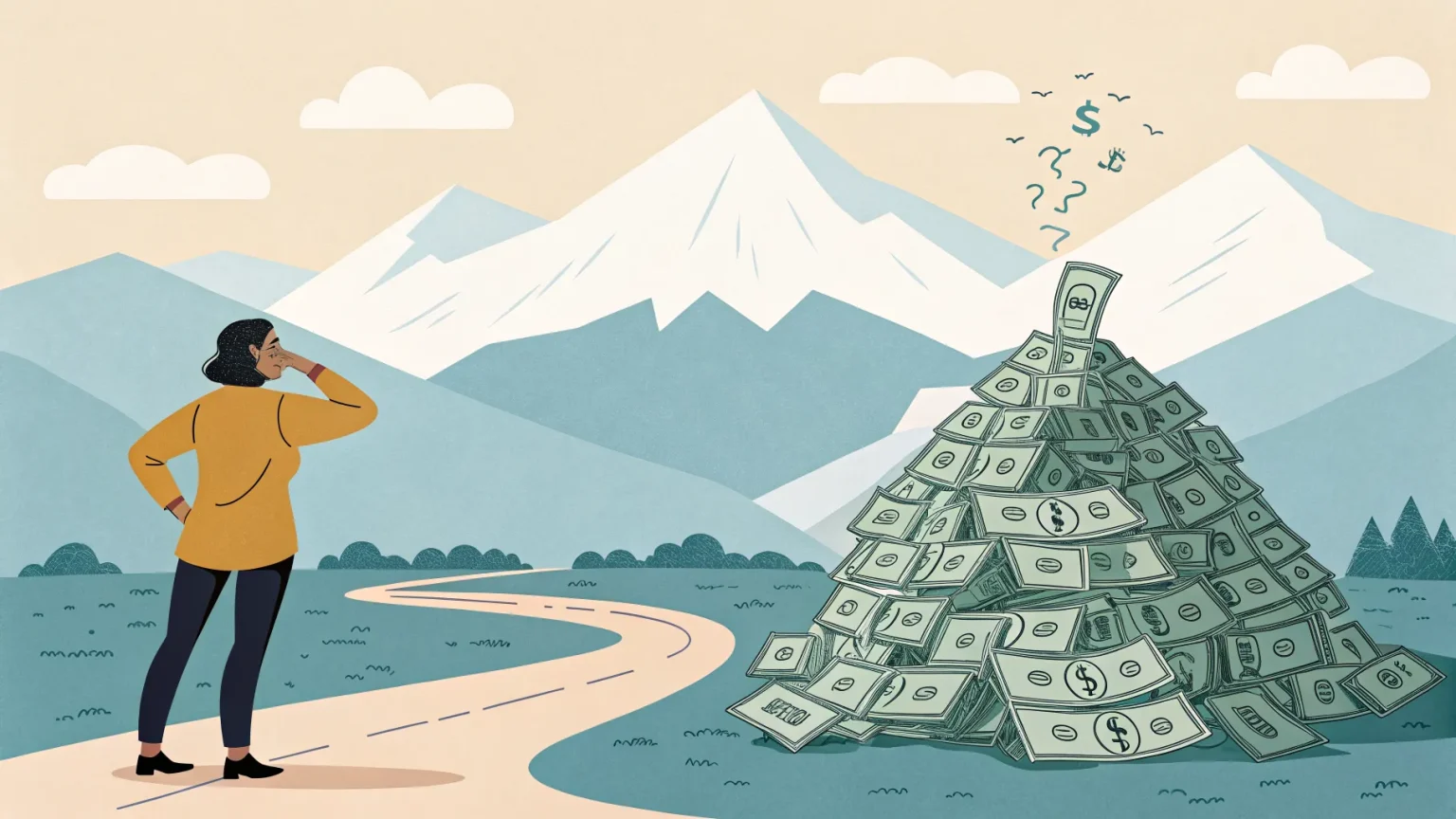
I’ve coached thousands of high earners who want out of the corporate cage. Many have saved $100,000 and think that pile is the ticket. It isn’t. It’s a trap.
My stance is simple: start with constraint, not cash. Treat money like oxygen, not like an all-you-can-eat buffet. Scarcity breeds skill. Abundance without a plan breeds waste.
“The problem is if someone has a 100 grand, they’re probably going to waste a 100 grand.”
This matters because new owners don’t fail from lack of ideas. They fail from lack of discipline. Easy money funds the wrong moves. Tight budgets force the right ones.
Start With a Hard Limit
Set a small, strict budget. Then earn the right to expand.
“The best thing to do is go, I only have five grand to spend on this business, how do I make it work?”
Constraints create creativity. You test faster. You listen to customers. You skip vanity projects. Fancy logos, big offices, and stacked teams don’t create sales. Offers do. Proof does.

Cash Flow Before Everything
Rich Christiansen, author of Zig Zag Principle, nails the sequence. It’s the same path I teach owners who want freedom without gambling their savings.
- Cash flow first. Make a sellable offer quickly. Pre-sell if needed.
- Then resources. Add tools and people only after revenue supports them.
- Build skill. Learn marketing, sales, and delivery under pressure.
- Delegate from profit. Hire with positive cash flow, not hope.
Follow that order and risk drops. Skip it and money disappears into “someday.”
“Go for cash flow first, then resources… then you create cash flow, then you delegate with a positive cash flow.”
The Hidden Cost of Big Budgets
Early overfunding lowers urgency. Teams grow before product-market fit. Ads run before messaging clicks. Expenses stack. Discipline fades.
“The worst thing for a business is to be over-funded early on… businesses have an insatiable appetite and they’ll spend it.”
Overfunding kills young companies. Not always in a blaze. Often in a slow leak of half-useful projects and nice-to-haves.
Answering the Pushback
Some say, “But the $100K gives runway.” True. It gives runway. It also invites drift. More time tempts slower tests, thicker plans, and weaker decisions. Others argue, “I need gear, team, and polish.” No. You need customers. A rough offer that solves a clear pain beats a perfect brand without buyers.
What to Do Next
Here’s a simple path that keeps you safe and fast.
- Cap your launch budget at $5,000. Park the rest.
- Define one problem, one promise, one person.
- Pre-sell or run a paid pilot with tight terms.
- Use free or low-cost tools until revenue justifies upgrades.
- Track unit economics weekly: leads, close rate, margin, refund rate.
- Document what works, then repeat it before you expand offers.
- Only hire when profit pays for the seat.
Each step lowers risk and sharpens your offer. The goal is not motion. The goal is proof.
The Mindset Shift
Think like an investor, not a spender. Demand evidence before you deploy more cash. Cash is a tool, not a strategy. The strategy is learning fast and selling value that customers renew and refer.
You don’t need permission or perfection. You need a test that pays its own way.
My Takeaway for Corporate Escapees
That $100,000 can free you or blind you. Treat it like a safety net, not seed to burn. Keep it in reserve while the business proves itself. If the model works, you’ll know where to put more money with precision. If it doesn’t, you’ll still have your savings and your options.
Start small. Sell fast. Learn hard. Then scale with profit, not pride.
If you’re serious, cap your spend today and write an offer that can win a client this week. Pressure is your partner. Discipline is your edge. Freedom is the prize.


