

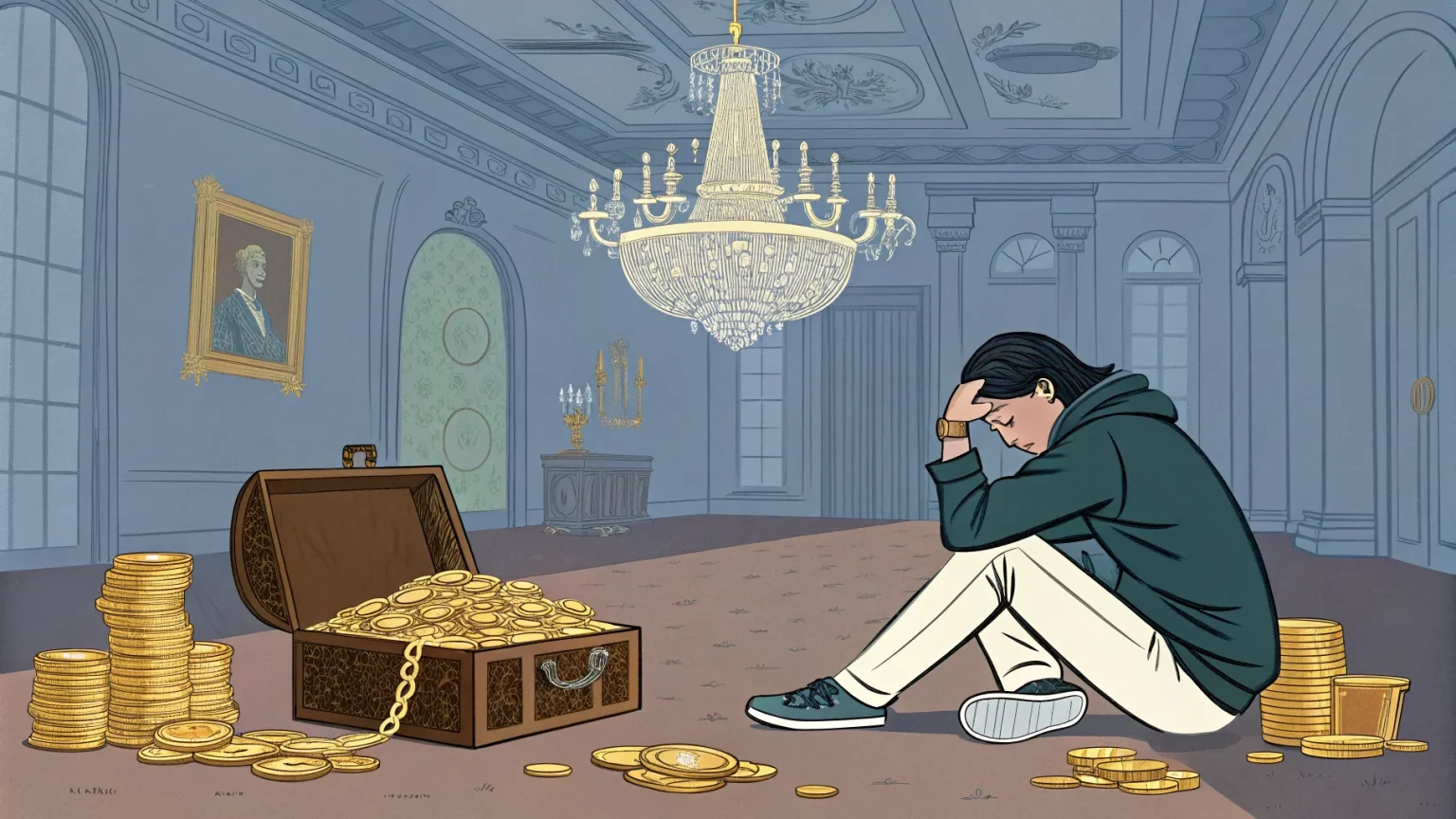
Can money buy happiness? It is one of the oldest questions in personal finance, and as someone who has coached people through both scarcity and success, I can tell you the honest answer is more layered than either extreme suggests. Money clearly affects well-being, but not in the simple way most people assume. The research has evolved a great deal, and what it now shows lines up closely with what I have seen in real lives and businesses.
The short version is this. Money can buy happiness up to a point, and beyond that point what matters is how you use it. Let me walk through what the studies actually found and how to apply it to your own life and work.
Can money buy happiness? What the research really says
The famous early answer came from a 2010 study by Daniel Kahneman and Angus Deaton, which found that day-to-day happiness rose with income but appeared to level off around 75,000 dollars a year. For a decade, that plateau shaped the conversation. Then a 2021 study by Matthew Killingsworth, using real-time data, found that happiness kept rising with income well beyond that figure. The two findings seemed to contradict each other, which left the question of whether money can buy happiness wide open.
The surprising resolution
In 2023 the two researchers collaborated to reconcile their work, and the result is fascinating. They found that for the least happy roughly twenty percent of people, well-being rose with income until about 100,000 dollars and then flattened. For everyone else, happiness continued to climb as income grew, and for the happiest group it actually accelerated. You can read the resolution in the Proceedings of the National Academy of Sciences. So can money buy happiness? For most people, more income does help, but it cannot fix a deeper source of unhappiness.
The hidden ingredient: autonomy
Here is the insight I find most useful. Killingsworth discovered that much of the link between income and happiness came down to a single feeling: how much control people felt over their lives. Higher income made people happier largely because it bought autonomy. That explains why self-employment, despite its uncertainty, makes so many people happier. It is not just the money, it is the control. The American Psychological Association has long noted that financial stress and lack of control weigh heavily on well-being.
Why money stops buying happiness for some
For people carrying unresolved problems, whether in relationships, health, or mindset, more money does not move the needle. Cash cannot repair a broken partnership or a fearful outlook. In my coaching, the clients who chase income to fill an emotional gap rarely feel better when they hit their number. The ones who build a meaningful business they control, on the other hand, report rising satisfaction even when the income is modest at first.
How to use money to actually increase happiness
If money can buy happiness when used well, the practical question is how to use it well. Research and experience point in a few clear directions. Spend on experiences and relationships rather than possessions. Buy back your time by outsourcing tasks you dislike. Reduce financial stress by building a cushion so a bad month does not derail you. And invest in autonomy by funding work and choices that give you control. If you want more of that control, our guide to self-employment ideas is a good place to start.
The role of financial stability
A great deal of unhappiness comes not from lacking wealth but from lacking stability. Irregular income, surprise expenses, and disorganized finances create chronic stress. The fix is boring but powerful: track your money, build a reserve, and know your numbers. Our step-by-step bookkeeping guide helps you replace money anxiety with clarity, which is one of the most reliable ways to raise day-to-day well-being.
Earning more without losing yourself
Since income does support happiness for most people, raising your earnings is a reasonable goal, as long as you do it in a way that increases rather than drains your autonomy. Higher-value work usually beats simply working more hours. Our guide to high-ticket programs shows how to raise income per hour so you can earn more while keeping the freedom that makes the money worth having.
So, can money buy happiness?
Yes, within limits, and mostly through what it enables: security, autonomy, time, and the ability to invest in what matters. Money is a tool, not a destination. Use it to build a life and a business you control, and it will support your happiness. Chase it as an end in itself, and it will leave you exactly where you started.
Frequently asked questions
Can money buy happiness according to research?
Research shows money supports happiness for most people as income rises. For the least happy roughly twenty percent, well-being plateaus around 100,000 dollars, while for others happiness keeps climbing.
Is there an income level where happiness stops increasing?
For the least happy group, well-being levels off near 100,000 dollars a year. For people who are otherwise content, happiness continues to rise with income and can even accelerate at higher levels.
Why does money increase happiness?
Much of the link comes from autonomy, the sense of control over your life. Higher income reduces financial stress and expands choices, which is why control matters as much as the dollars themselves.
What is the best way to spend money for happiness?
Spend on experiences, relationships, and buying back your time. Building financial stability and funding work that gives you control tend to raise well-being more than buying possessions.
Why doesn’t more money make some people happier?
Money cannot fix deeper problems in relationships, health, or mindset. People who chase income to fill an emotional gap rarely feel better, while those who build meaning and autonomy do.
Does self-employment make people happier?
Often, yes, because it increases autonomy. The control over schedule and choices that self-employment offers is closely tied to well-being, sometimes even more than the income itself.


