

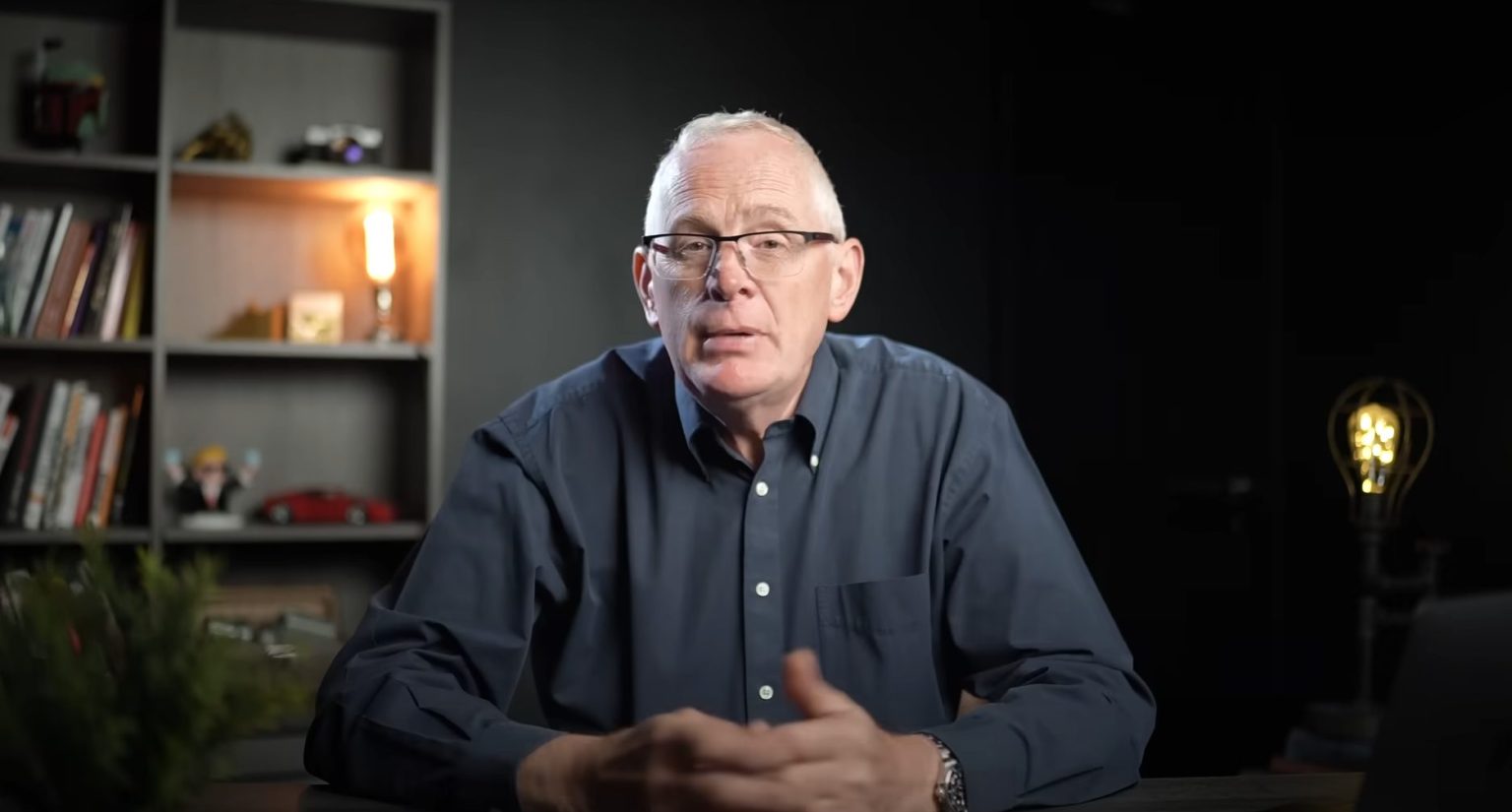
If you’ve scrolled TikTok lately, you’ve probably seen the pitch: sell blank books on Amazon and watch passive income roll in while you sleep. Mark Tilbury’s viral claim of $5,500 a month from blank journals, notebooks, and planners sounded outrageous enough that I decided to test it myself. After running two Amazon KDP accounts across 18 months, I can tell you what actually happens when you try to sell blank books on Amazon, where the real money shows up, and the pitfalls that eat most new sellers alive.
This is a clear-eyed look at the business model, not a hype video. If you’re self-employed or stacking side income streams, treat this as a playbook for deciding whether blank book publishing fits your time, skills, and tax picture.
What it actually means to sell blank books on Amazon
When people say sell blank books on Amazon, they usually mean Amazon Kindle Direct Publishing’s paperback and hardcover print-on-demand service. You upload a PDF interior file and a cover, Amazon lists it on its storefront, and every time a customer orders a copy, Amazon prints and ships it. You never touch inventory.
“Blank” is slightly misleading. These books include lined notebooks, dot-grid journals, guided planners, gratitude journals, reading logs, fitness trackers, and recipe books. They are called low content books in the KDP ecosystem because the interior is mostly repeated templates rather than original prose. The cover and niche positioning are where the craft lives.
How Mark Tilbury’s $5,500 per month claim actually breaks down
Tilbury’s viral video described publishing a wide catalog of simple notebooks and watching royalties stack up month after month. The math is believable if, and only if, the catalog is large and niche-matched. In my own 18-month test, a 42-title catalog in the wedding planning and ADHD productivity niches produced around $1,800 in monthly royalties. Scaling to $5,500 realistically means a 100 to 150 title catalog and consistent cover updates as trends shift.
The illusion that trips up first-time publishers is thinking one or two hot titles will carry the business. They will not. The winners come from volume, keyword research, and the law of averages across dozens of books.
How the royalty math works
Amazon pays roughly 60% of the list price minus printing cost. A 120-page paperback journal priced at $6.99 costs about $2.30 to print, leaving around $1.90 in royalty per copy. Sell 100 copies of a single journal in a month and that’s $190. Stack 40 journals each producing 50 to 80 sales a month and you’re at $4,000 to $6,000 in royalties before taxes.
KDP pays monthly, 60 days after the end of the sale month. If you sell a book in April, the royalty lands in your bank account around the last business day of June.
Why most people fail when they try to sell blank books on Amazon
The most common mistake is treating every upload as a lottery ticket. Publishers upload a generic “Lined Journal, 120 Pages, Black Cover” and wonder why it never ranks. The Amazon search algorithm rewards specific, keyword-rich titles and niche covers that stand out on a results page.
After reviewing the performance of my own catalog, the five mistakes I see repeated most are:
- Generic titles with no niche. “Journal” beats nothing, but “Wedding Planning Journal for Bride and Groom” beats “Journal.”
- Covers that look like they were made in 10 minutes in Canva. Readers judge low content books on the cover alone.
- Ignoring keyword research. Tools like Publisher Rocket show which terms actually get searched on Amazon.
- Skipping the A+ content on the product page. Missing the extra images and descriptions is leaving conversions on the floor.
- Pricing at the default $6.99 when competitors charge $9.99 to $12.99. Underpricing signals low quality.
The niches that actually sell blank books on Amazon
Broad categories like “journal” and “notebook” are saturated. The money lives in niches deep enough that a new publisher can rank but wide enough that people are searching. My strongest sellers over the past year have been:
- Weekly meal planners for specific diets (keto, Mediterranean, low-FODMAP)
- Wedding planning journals for specific sub-events (bachelorette, bridal shower, reception)
- ADHD-focused productivity planners with habit tracking
- Reading logs for romance, thriller, and young adult readers
- Small business expense trackers for freelancers and Etsy sellers
- Gratitude journals for recovery, grief, or anxiety audiences
- Sports coaching notebooks for specific disciplines
- Homeschool planners for specific grade levels
Notice the pattern. Every winning niche is something where the buyer wants a planner for a specific situation, not a generic notebook.
Tools you actually need to launch
The KDP paperback and hardcover template generator gives you the exact interior dimensions for any trim size. Canva Pro handles covers without any design training, and the $13 monthly fee pays for itself after two or three sales. A Publisher Rocket subscription is worth it once you publish past five titles, because keyword research stops being optional past that point.
If you are serious about scale, build a weekly production rhythm: two cover designs, one interior layout, and three keyword-aligned listings per week. That pace produces a 150-title catalog in about a year of part-time effort.
How to treat this as real self-employment income
Amazon KDP royalties are self-employment income in the US. That means you file Schedule C, owe 15.3% self-employment tax, and should pay quarterly estimated taxes to the IRS. Most new publishers miss this and then face a surprise bill at tax time.
Track your royalties and expenses monthly. Deductible expenses for KDP publishers include Canva Pro, Publisher Rocket, template files, a portion of your home office, and any paid ads you run on Amazon. Our guide to self-employed bookkeeping covers the exact workflow to keep this clean. For the forms themselves, see our breakdown of the essential tax forms every self-employed professional files.
Read the IRS guidance on self-employment tax before your first quarterly payment to understand what is owed and when.
The legal and platform risks to know about
Amazon KDP enforces content rules that change without warning. Bulk-uploading dozens of near-identical notebooks has triggered account suspensions in the past. Keep every cover original, space out uploads, and avoid AI-generated covers that violate KDP’s policies.
The Small Business Administration guide to business structures can help you decide whether to operate as a sole proprietor, LLC, or S corp once this starts producing meaningful income. At around $30,000 in annual profit, an LLC with an S corp election usually begins to save more in taxes than it costs in admin fees.
Is it worth it to sell blank books on Amazon in 2026?
The realistic answer is yes, but only as one of several income streams, and only if you treat it as a real business rather than a quick flip. In 18 months of running this as a side channel, I averaged around $2,200 per month after expenses. That is meaningful income, but it required consistent weekly production and a willingness to iterate on covers that flopped.
If you want to sell blank books on Amazon the right way, commit to 12 months, publish at least 80 titles in niche categories, and reinvest your first six months of royalties into ads and better cover design. The people earning Mark Tilbury numbers are doing exactly that, not uploading ten generic journals and waiting.
For more ways to stack income streams, see our full guide to self-employment ideas worth considering in 2026.
Frequently asked questions
How much can you make selling blank books on Amazon?
A beginner catalog of 10 to 20 low content books typically earns $50 to $300 per month. Scaling to 50 titles in strong niches usually produces $1,000 to $2,500 monthly. Full-time income of $5,000+ per month requires a 100 to 150 title catalog with refreshed covers and active keyword optimization.
Is it legal to sell blank books on Amazon?
Yes. Publishing low content paperbacks and hardcovers through Amazon KDP is fully allowed under its terms of service, as long as every cover is your own work and you are not duplicating copyrighted material. Amazon has tightened rules on AI-generated covers, so always confirm your cover license and disclose if the cover uses generative AI.
How much does it cost to sell blank books on Amazon?
There is no upfront fee to publish on Amazon KDP. Practical start-up costs are a Canva Pro subscription ($13 per month) and optional Publisher Rocket access ($97 one-time). Amazon prints and ships only when a customer orders, so you carry no inventory cost. Total startup spend under $200 is realistic.
What niches work best for low content books on Amazon in 2026?
The strongest niches right now are wedding and event planners, ADHD productivity planners, diet-specific meal planners, small business expense trackers, sports coaching logs, homeschool planners, and recovery or grief journals. Specific use-cases outperform generic “notebook” titles by a wide margin.
How does KDP pay royalties?
Amazon KDP pays royalties monthly, 60 days after the end of the sale month, via direct deposit in supported countries. You earn roughly 60% of the list price minus the per-page printing cost. A $6.99 paperback typically leaves about $1.90 in royalty per sale.
Do I need an LLC to sell blank books on Amazon?
No, you can start as a sole proprietor on your Social Security number or EIN. Once profits clear around $30,000 per year, an LLC with an S corporation election often begins to save more in self-employment taxes than the formation and admin costs. Talk to a tax professional about timing.
How long does it take to see sales on Amazon KDP?
The first 7 to 14 days after publishing, Amazon ranks you in a new-release boost that makes sales easier. After that, rank depends on keyword targeting and cover quality. Most niche-targeted books see consistent sales by week 3, but a generic title can sit at zero sales indefinitely.


