

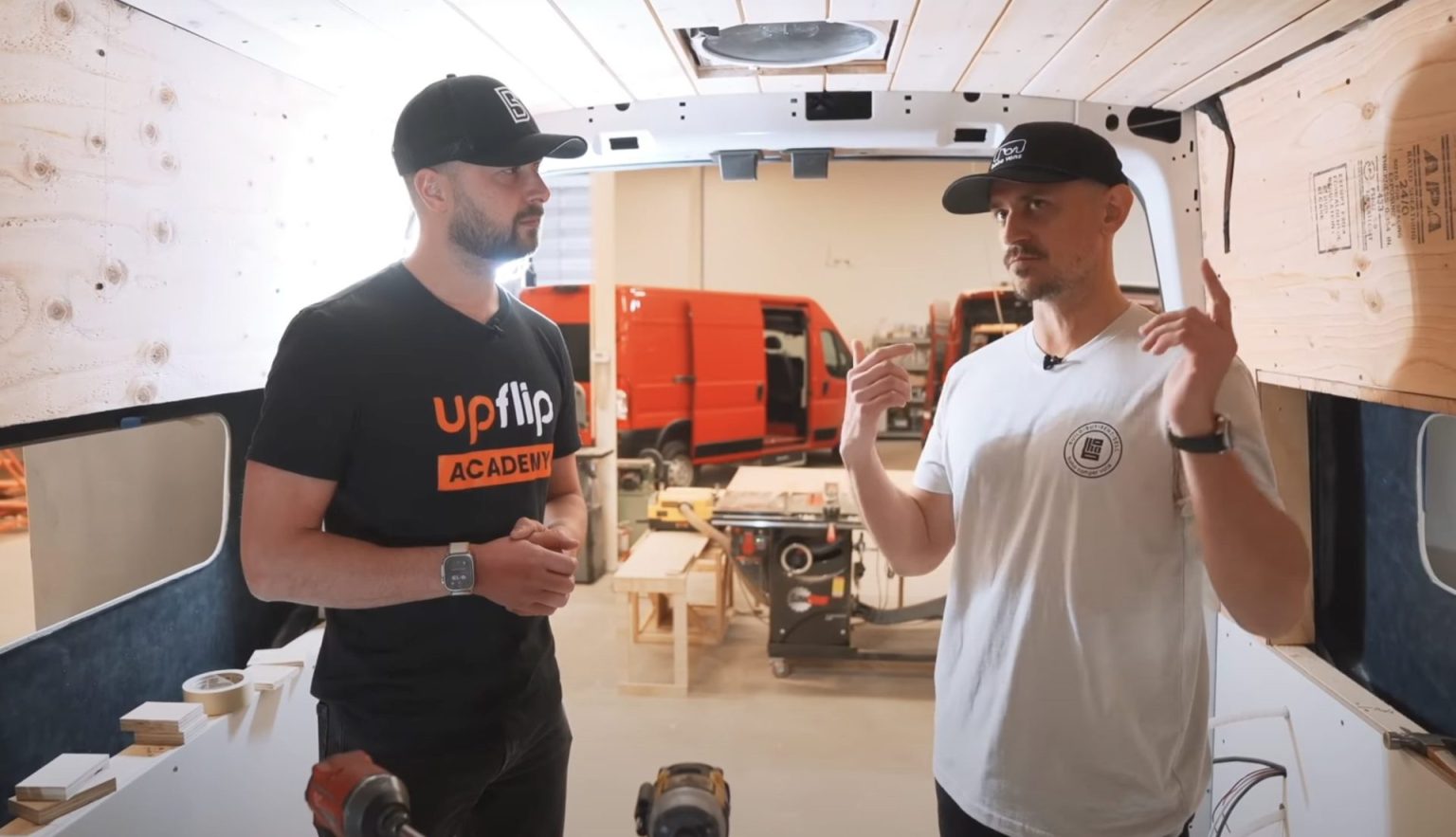
Starting with just $16,000 in credit card debt, two roommates built a thriving camper van rental business that now generates more than $250,000 a month. Their journey from a single rental van to a full manufacturing and rental operation, featured by UpFlip, offers a practical blueprint for anyone curious about turning a personal passion into real income. If you have ever wondered how to start a camper van rental business, their story shows exactly what is possible with discipline and patience.
After studying dozens of self-funded businesses, I find this one instructive because it grew through cash flow rather than outside investment. There were no big funding rounds, just steady reinvestment and relentless focus on the customer. Here is how the model works and how you can apply its lessons to your own venture.
Starting small with big dreams
The founders began with a modest goal: offset the cost of building a personal camper van by renting it out occasionally. Using about $10,000 from a credit card and $6,000 for materials, they built their first van while keeping their full-time jobs. Their initial target was simple, renting the van around 10 nights a month to cover expenses.
Reality far exceeded expectations. Within months, that first van hit roughly 80% occupancy, which gave them the confidence and the cash flow to expand the fleet. That early validation is the heart of a smart camper van rental business: prove demand with one unit before scaling.
The camper van rental business model breakdown
The operation generates revenue through two channels. Rental income brings in roughly $3,000 to $5,000 per month per van, while custom builds sell for $40,000 to $200,000 each at 30% to 40% margins. The average build takes about four weeks, and the company maintains a six-month backlog of orders, a clear signal of sustained demand.
Their manufacturing facility now produces around four vans a month with a team of about 20 people. The combination of recurring rental revenue and high-margin custom builds gives the business two complementary income streams, which smooths out the seasonality that affects any travel-related venture.
Why custom camper vans win over traditional RVs
Custom camper vans hold several advantages over conventional RVs. They offer superior build quality and durability, deep customization to match a buyer’s specific needs, and off-grid capability through solar power and battery systems. They are also more maneuverable, giving travelers access to remote locations a bulky RV cannot reach.
That differentiation matters because it lets a small builder compete on quality and experience rather than price. Customers who want a vehicle tailored to their lifestyle are willing to pay a premium, which is exactly the kind of margin a young business needs to fund its own growth.
The keys to success in a camper van rental business
The founders credit several principles. First, they focused on organic growth through customer service and word-of-mouth marketing rather than heavy advertising. They invested in quality builds and an excellent customer experience, and satisfied renters became their best marketing channel.
Second, they maintained financial discipline. Despite receiving investment offers, they chose to grow through cash flow and avoided unnecessary debt. Third, they leveraged complementary skills, with one partner running marketing while the other led building. That natural division of labor reduced conflict and let each focus on what they did best. Tracking all of this cleanly through a solid bookkeeping system is what made disciplined reinvestment possible.
How to start your own camper van rental business
For those ready to enter the market, here is a practical path. Start with a used van within your budget so your initial risk stays low. List it on platforms like Outdoorsy to find your first renters and use the insurance and documentation systems those platforms provide. Build a simple web presence so you can eventually take direct bookings and keep more of each dollar. Then reinvest your profits into expanding the fleet.
The business can begin as a side hustle, exactly as the founders did while keeping their jobs for two years. If you are weighing this against other paths, our roundup of side business ideas that work can help you compare the effort and returns before you commit.
Managing seasonality and staying compliant
Travel demand rises and falls with the seasons, and the model handles that naturally through advance bookings and deposit payments. During slower months, rates typically drop by about 20%, and owners often rotate the fleet, selling older vans and bringing in new ones during the quiet season. As the founders described it, they shuffle new vans in and sell the old ones to keep the fleet fresh while trimming costs in the off-season.
Before you take your first booking, handle the business basics. Register your business, secure the right commercial and rental insurance, and understand your tax obligations. The U.S. Small Business Administration walks through registration and licensing at the SBA business guide, and the IRS small business center explains how to report rental and self-employment income. Getting these right early prevents expensive headaches later.
Looking forward
The camper van market continues to grow, driven by rising interest in experiential travel and off-grid adventures. Success in this space rewards patience, customer focus, and continuous improvement based on real feedback. The founders did not get rich overnight. They built one great van, listened to their renters, and reinvested for years.
That is the real lesson of this $250,000-a-month story. A camper van rental business does not require deep pockets or outside investors. It requires a quality product, disciplined finances, and the patience to let cash flow compound into something bigger than you first imagined.
Frequently asked questions
How much does it cost to start a camper van rental business?
You can start with as little as $16,000 to $20,000, which covers a used van and basic conversions. Starting small lets you test demand while keeping financial risk low.
How much can you earn renting out a camper van?
Rental income typically runs $3,000 to $5,000 per month per van. Operators who also build and sell custom vans can earn far more, with build margins of 30% to 40%.
What are typical profit margins in this business?
Individual operators can see profit margins of 50% to 80% of rental income. Larger operations with staff typically see 30% to 40% margins on custom builds and lower rental margins due to overhead.
How do you find renters without spending on advertising?
Focus on organic growth through listing platforms like Outdoorsy, a strong web presence, and customer reviews and referrals. User-generated content and social media can also drive significant bookings.
Can a camper van rental business work as a side hustle?
Yes. Many successful operators start part-time while keeping a full-time job. Rental platforms handle much of the administrative work, making it manageable alongside other commitments.
What is the average rental rate for a camper van?
Rates typically range from $200 to $250 per night, varying by season and trip length. Longer trips and off-peak bookings often qualify for discounts.


