

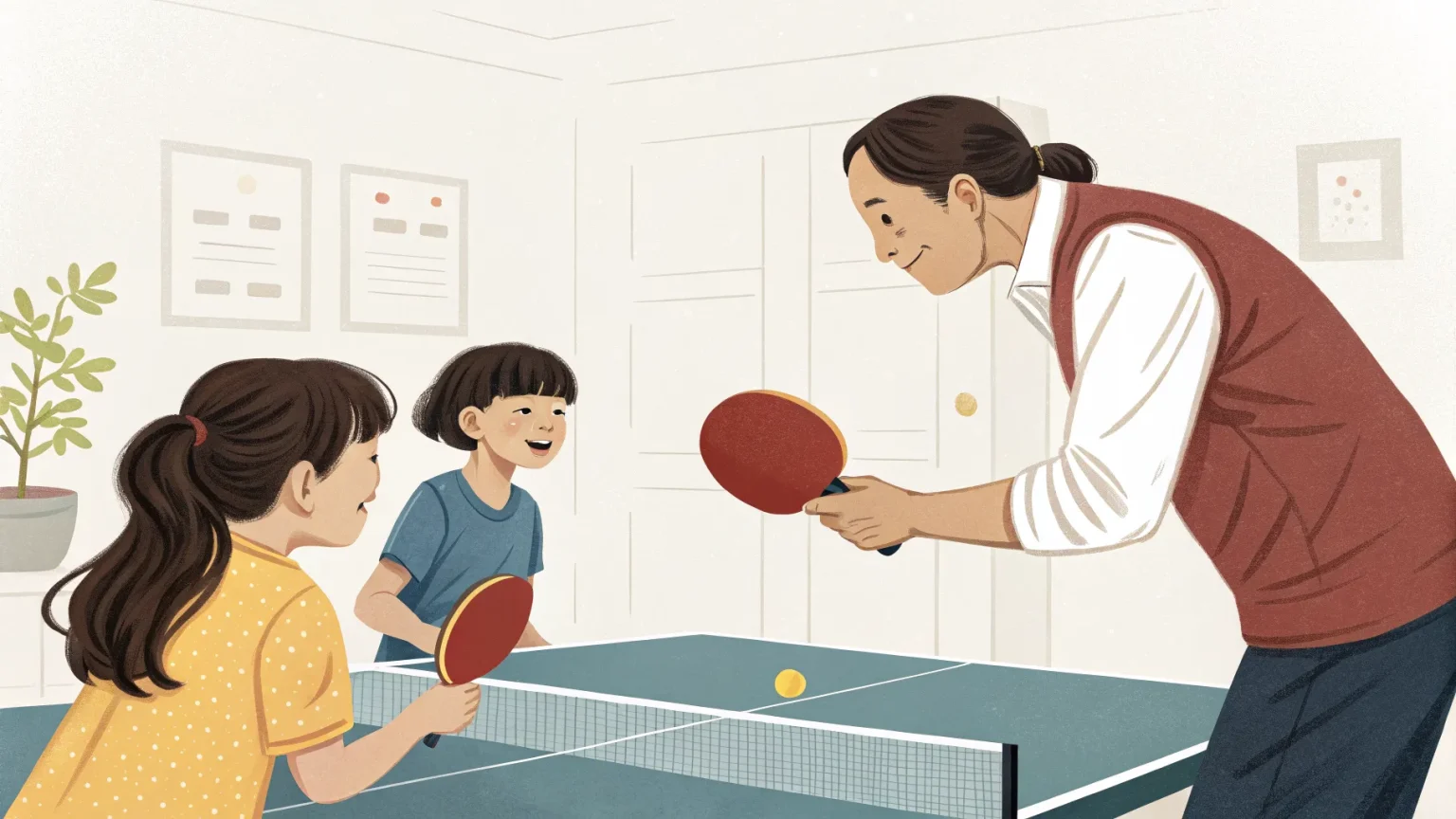
I’ve spent decades in boardrooms, locker rooms, and on stages. Still, the most important work I do happens at home, paddle in hand, staring across a ping pong table at my kids. That’s not a cute metaphor. It’s a choice. My opinion is simple: presence beats performance. Show up fully, and the rest follows.
As Chairman of the Napoleon Hill Institute and the former CEO of Leigh Steinberg Sports & Entertainment, I’ve worked with world-class winners. The real edge they share isn’t a secret hack. It’s the ability to focus on what matters in the moment. That starts with health, family, and then the activity that pays you. In that order.
Presence Isn’t Optional—It’s the Work
“I purposely play ping pong, for example, with my kids. Why? Because I know it’s the only thing I can do that you have to be present. You can’t play ping pong and be watching on your phone.”
That line draws laughs. It also draws a line in the sand. We can stack calendars and rack up wins, yet fail at what matters if our attention is split. Attention is the currency of love, trust, and leadership. If I’m not there—really there—I’m broke where it counts.
I don’t claim fatherhood is perfect. But I’m clear on this: being present with my kids is non-negotiable. It’s daily practice, the same way pros practice free throws. Ping pong works for us because the ball forces eye contact, quick decisions, and no screen time. It’s a built-in focus drill that spills over into dinner talks, homework help, and even hard conversations.
The Order That Changes Everything
“I prioritize my health, my family, and then activity I get paid for.”
That order is not cute branding. It’s operational. When health comes first, energy and patience rise. When family comes second, guilt fades and support grows. Then the paid work runs smoother and smarter. Flip that order and life gets noisy, fast.
Many people push back. They say the market never sleeps. They say presence is a luxury. I’ve built companies and coached leaders. I’ve seen the other side. Burnout steals more deals than rest ever will. Families who feel ignored don’t cheer for your next big move. Teams mimic the leader. If I can’t sit still at a table with my kids, how can I expect my team to focus in a meeting?
Small Rituals, Big Returns
Start tiny and repeat. That’s how presence grows muscle memory. Here are simple moves that work in real life.
- Pick a no-phone game or walk with your family for 20 minutes.
- Block a daily “health hour” before work—sweat, stretch, or breathe.
- Set one clear work outcome per day and finish it first.
Small rituals remove excuses. You don’t need a retreat. You need a repeat.
Better Than Yesterday
“When I say I was a great dad, way better than my dad was to me, I just do everything better because I look for what I want in the relationship.”
That’s not arrogance. That’s intention. I look for what I want: connection, respect, laughter, truth. Then I train for it. I measure presence the way others measure profit—consistently and with honesty. Missed a day? Own it. Adjust. Show up again.
Some will say this mindset loses you an edge. The opposite is true. Clarity sharpens the edge. When health and family anchor the calendar, work hours get cleaner. Focus rises. Decisions speed up. I’ve seen this with athletes, founders, and students. It’s not magic. It’s math.
My Call to You
Pick one ritual that forces presence. Guard it. Build from there. If you lead a team, model it. If you lead a family, protect it. Your title won’t remember you. Your kids will.
Success that costs the people you love isn’t success. Choose presence. The scoreboard will follow.
Frequently Asked Questions
Q: How do I start being more present if I’m always busy?
Begin with one daily block of 15–20 minutes with no screens. Make it a walk, a game, or a shared meal. Keep it simple and repeat it every day.
Q: What if my job demands constant availability?
Set short, clear windows for deep work and short windows for responses. Communicate those hours. Most teams adjust quickly when expectations are clear.
Q: Why put health before work?
Energy, mood, and decision-making improve when your body is cared for. That makes you faster and calmer, which saves time and reduces mistakes.
Q: What if my kids prefer screens to activities?
Offer a fun, short, no-phone option at the same time each day. Keep it playful and consistent. Many kids engage once the routine feels normal.
Q: How can leaders bring this approach to their teams?
Model focused meetings, protect health time, and honor family needs. When leaders act with presence, teams copy the standard and performance rises.


