

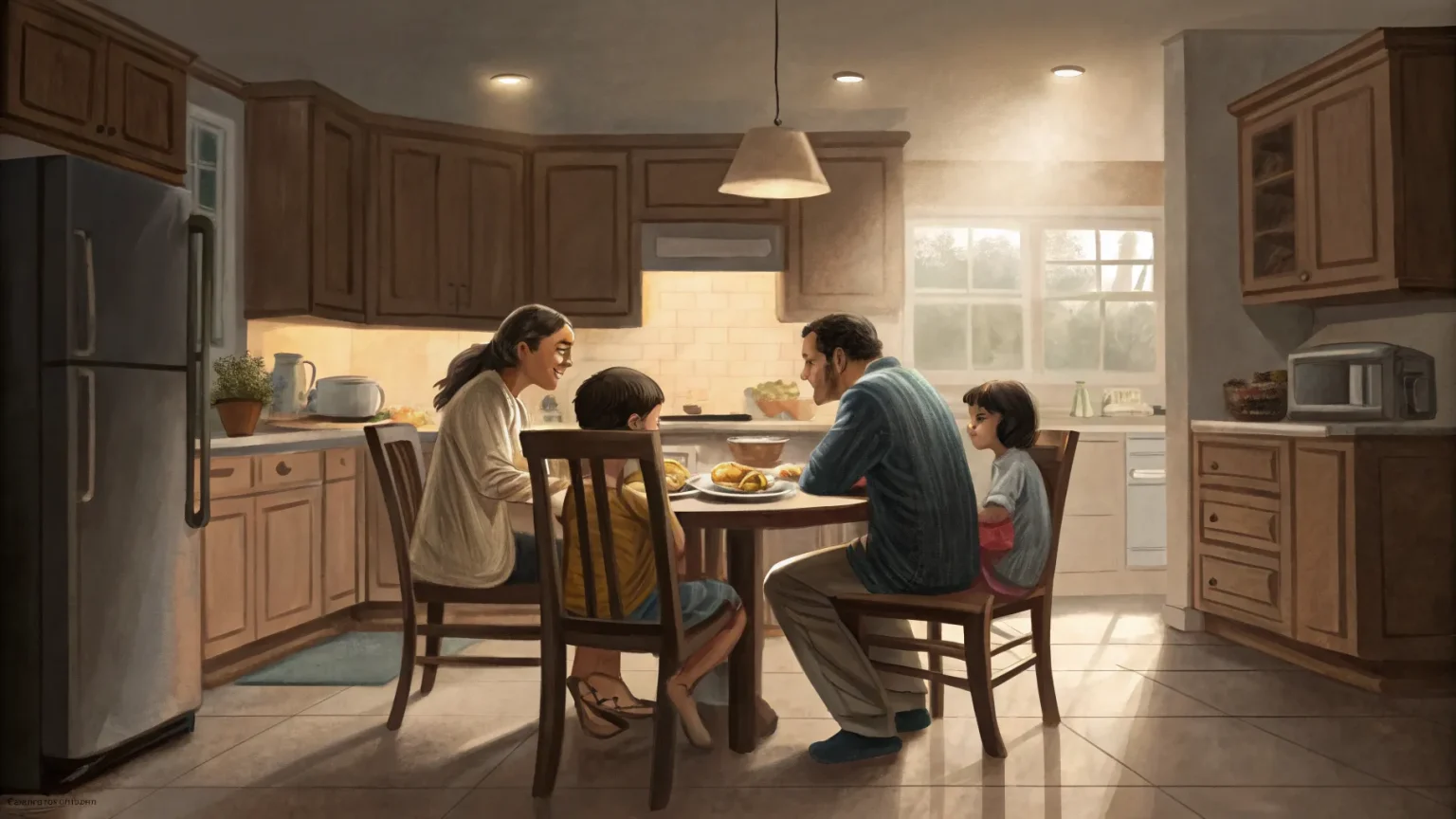
We talk a lot about ownership at work, but the real training ground is the kitchen table. My view is simple: accountability starts at home, and it starts with love and high standards living side by side. If we want young people who take responsibility for their choices, we have to model it and build it into daily life. That matters for families, schools, teams, and companies. It matters for the kind of adults we send into the world.
My Core Stance
I’m Rhett Power, and I’ve spent years coaching leaders and building teams. Still, the most honest lessons on accountability came from raising my own kids. Accountability isn’t punishment—it’s ownership with support. That means setting clear goals, admitting when we miss them, and then doing the hard work to fix it.
“I have tried to create a culture at home of love, acceptance, but high expectations, and an openness to talk about failure when we don’t achieve what we say we’re gonna do.”
That line is my blueprint. Love without standards breeds excuses. Standards without love create fear. The blend builds strong, resilient kids—and strong, resilient teams.
What Accountability Looks Like Day to Day
Here’s how I’ve worked to make it real at home. These are simple moves, but they compound.
- Set family goals the same way you set team goals. Make them visible and shared.
- Assign ownership. Each person knows the task and the deadline.
- Hold a short check-in. What worked? What didn’t? What’s next?
- Talk about misses without blame. Focus on the fix, not the fault.
- Raise the stakes for repeated mistakes. Grace for the first time, tighter guardrails the second.
This isn’t a soft approach. It’s a clear one. Kids learn to speak in terms of commitments, trade-offs, and next steps. That language carries into school, sports, and later, the office.
Why This Works
People rise when they know two things: they are loved, and their word matters. When either side slips, results suffer. If you remove warmth, kids hide their errors. If you remove standards, goals become wishes. I’ve seen teams spiral for both reasons. Families can too.
“We have love when we fail we don’t punish. We talk about it. We talk about how to fix it, how to do better next time.”
That conversation builds a habit: reflect, repair, recommit. It’s the same habit top performers use after losses. They don’t stew. They study and adjust.
Addressing The Pushback
Some argue that tougher consequences build grit. I don’t buy the “fear first” model. Fear may get one short-term result, but it kills learning. Real grit is staying in the room with the problem. It’s owning the miss and trying again. You don’t get that when a child expects shame or anger. You get silence and avoidance.
Others say kids need freedom. I agree, with a catch. Freedom without goals is drift. Give choice, but tie it to outcomes. If you pick the goal, you own the path. That’s freedom with a spine.
Bring It To Work
Leaders ask me how to build accountable teams. I give the same advice I give parents: spell out expectations, assign ownership, and make space to talk about failure. Swap blame for learning, but don’t lower the bar. Repeat mistakes get a different conversation and a new plan. That’s not harsh. That’s honest.
One more point: write goals down. A written goal is a promise. A shared goal is a promise we’ve made to each other. That simple act changes behavior.
The Bottom Line
We shape accountable adults by practicing accountable living. Set clear goals at home. Celebrate the tries. Study the misses. Fix what you can. When the same mistake shows up twice, raise the standard and tighten the plan. That rhythm builds character and results.
If you’re a parent, start with one small goal this week—a chore, a study target, a shared project. If you lead a team, run a short review after a miss and ask three questions: What did we promise? What happened? What will we do now?
The world doesn’t hand out accountability. We teach it. We live it. And our kids—and our teams—carry it with them long after the meeting or the meal is over.


