

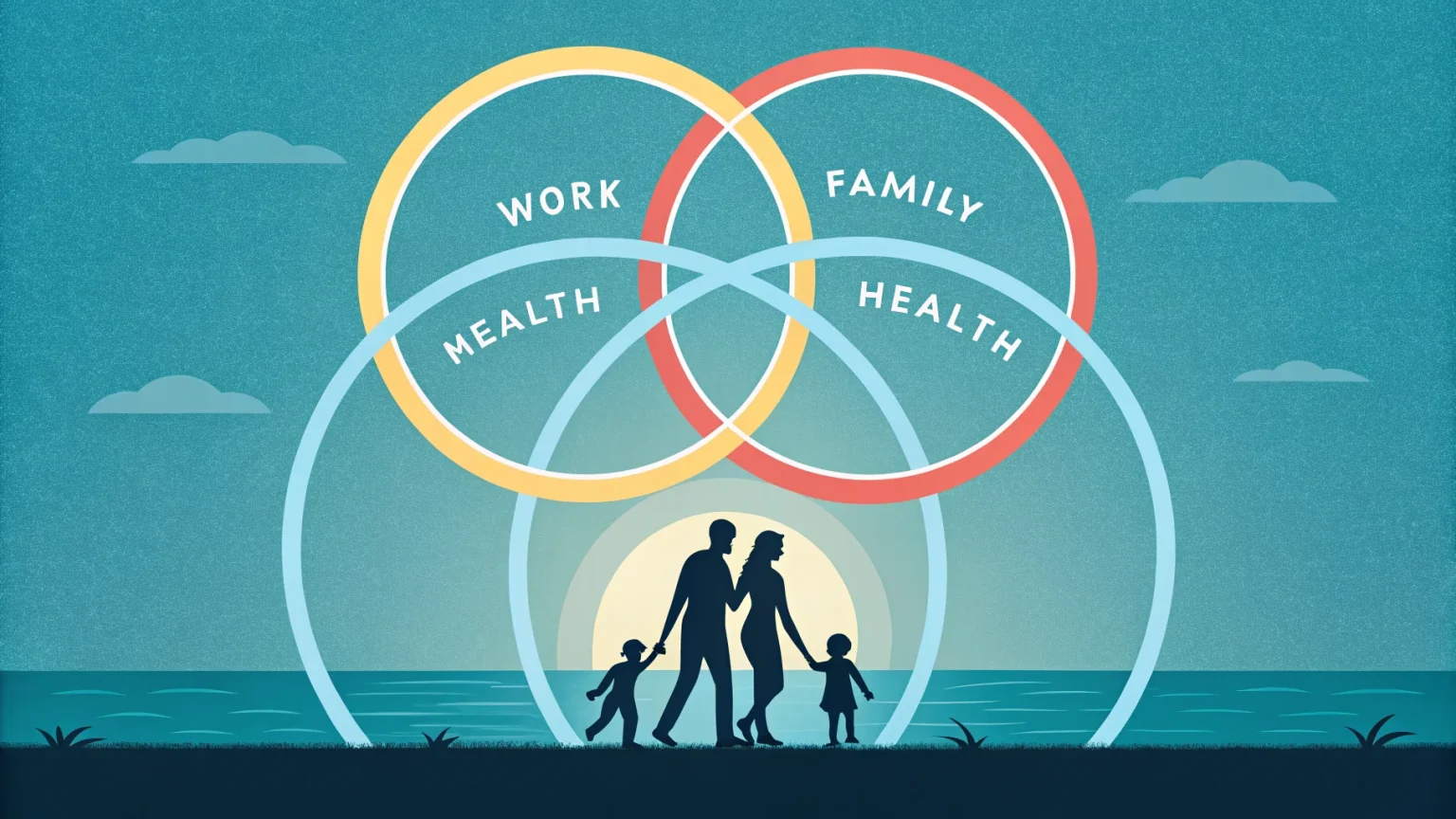
I used to live by a simple order: family first, business second, health third. It sounded noble. It also failed. The hard truth I learned, as a father, entrepreneur, and coach, is this: if health is not first, it rarely happens at all. We love our families. We chase results. Health becomes the thing we “get to” someday. That day never comes unless it is non-negotiable.
My stance is clear. Health has to sit at the top. Not because I love my family less, but because I love them more. When my energy, focus, and emotional control rise, I am a better husband, father, leader, and friend. When they drop, everyone pays the price.
“My number one value has shifted in my life. It was always family first, business making money second, and my health third.” — David Meltzer
The Case for Putting Health First
Here’s the real-life cycle many of us live: long days, skipped workouts, short sleep, and stress stacked on top of stress. We promise to “catch up” this weekend. But the family needs us, a deal is hot, and we say yes to everything but our bodies. I did this for years. It cost me presence, patience, and performance.
Health is the engine for every role we care about. If the engine fails, the vehicle stops—no matter how bright the paint looks. Health is not another task; it is the fuel that allows us to serve the people we love and build the work we believe in.
“When you put your health behind your family and business, you will never have time for your health.” — David Meltzer
The Non-Negotiable Hour
I made one shift that changed everything: one hour a day for my health, no matter where I am. At home or on the road, this rule holds. It is the anchor of my adaptable routine. That hour might be strength work, mobility, cardio, or quiet recovery. The content can change. The commitment cannot.
“My adaptable routine, when I’m not at home, is always based off of spending a minimum of one hour a day on my health.” — David Meltzer
People push back. They say family must come first. I agree—in outcome. But that outcome depends on my capacity. Health first is how I put family first in reality, not just in motto. It’s like the oxygen mask on a plane: you help others best when you can breathe.
What This Looks Like In Practice
Making health first is simple, but not easy. Here are the moves that keep me honest and make it workable with a busy life.
- Schedule the hour before the day starts choosing for you. If it isn’t on the calendar, it is a wish.
- Travel kit: bands, lacrosse ball, jump rope, sleep mask, earplugs. Hotel gyms vary; your plan shouldn’t.
- Sleep as a skill: consistent bedtime, cool room, no screens the last hour.
- Stack habits: calls during walks, mobility while watching film, breath work between meetings.
- Define “minimum viable workout”: when time is tight, 20 focused minutes still wins the day.
These steps turn excuses into execution. The hour stays intact because it is protected by systems, not only motivation.
Answering the Objections
“I don’t have time.” You don’t have time not to. Lost energy and poor decisions cost more than sixty minutes. I’ve seen leaders drop the hour, then spend hours putting out fires they helped start by being tired and reactive.
“My kids need me.” Exactly. They need the steady version of you. They need the example of discipline and self-respect. Let them see you keep promises to your health. That’s leadership at home.
“Work is on fire.” Fires spread when the firefighter is exhausted. The hour calms the mind, raises focus, and reduces the mistakes that cause bigger fires tomorrow.
The Payoff
When health leads, everything compounds. Focus sharpens. Mood steadies. Patience grows. You make better calls. You recover faster. You become more present at the dinner table and more precise in the boardroom. That is not theory. It is daily life for me and the clients I coach.
Put your health first so you can put your family first—and win at work without losing yourself. Start with one hour today. Guard it. Build around it. The people you love will feel the change long before they hear you talk about it.
Frequently Asked Questions
Q: How do I find an hour for health in a packed day?
Put it on your calendar first, like your most important meeting. If needed, split it into two 30-minute blocks and protect both.
Q: What if I travel and the hotel gym is weak?
Bring simple tools—bands, a jump rope, and a lacrosse ball. Bodyweight circuits and walking intervals can deliver a complete session anywhere.
Q: Does health first mean fewer hours with my family?
No. It often creates better hours. You show up with more patience, energy, and attention, which improves the time you do spend together.
Q: I’m starting from zero. What’s the first step?
Choose a consistent time and a simple plan: 20 minutes of walking, 20 minutes of mobility, 20 minutes of strength. Repeat and progress slowly.
Q: How do I stay consistent when work gets chaotic?
Define a minimum viable workout for tough days, prep gear the night before, and anchor your routine to fixed cues like wake-up or after school drop-off.


