

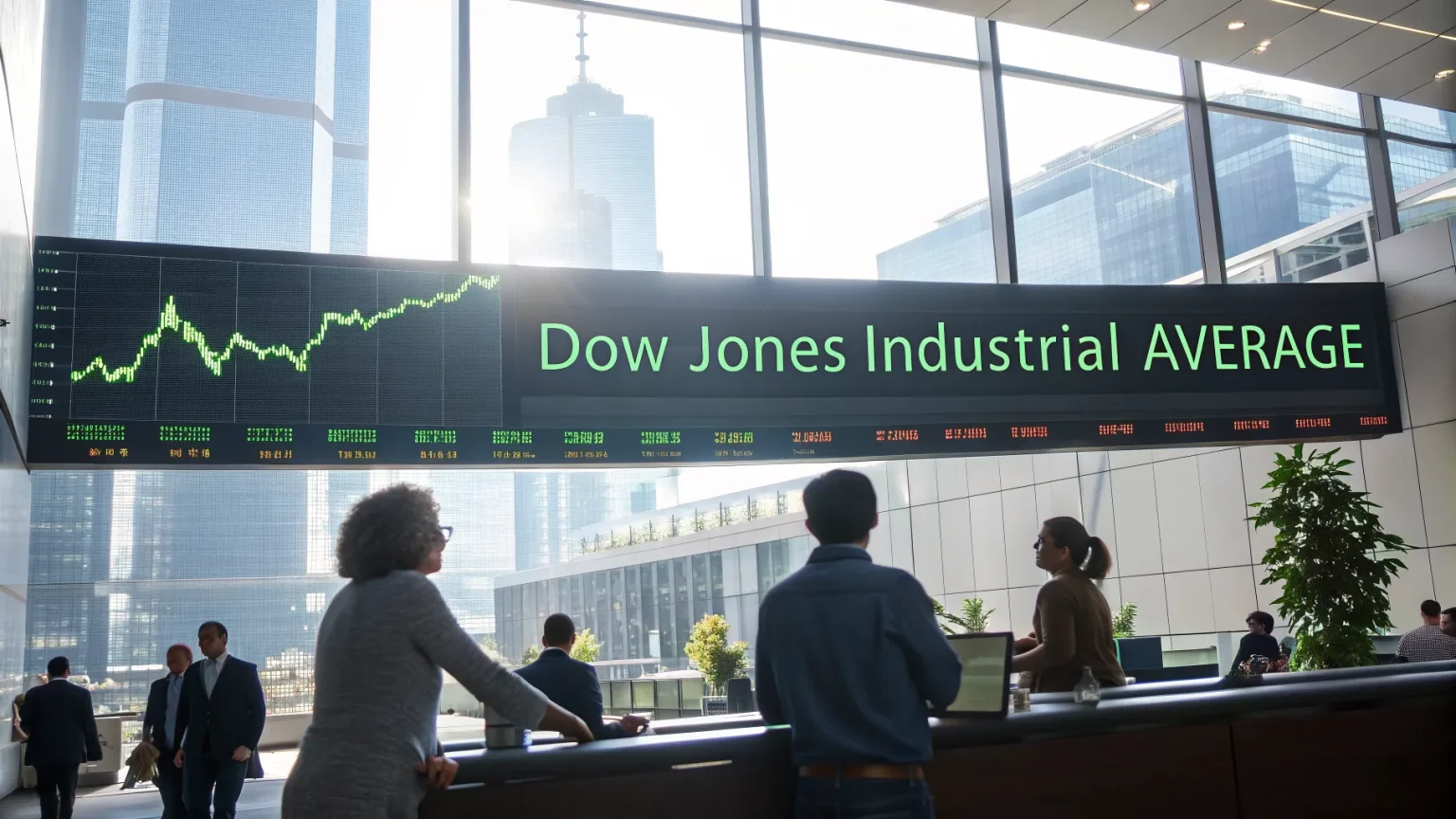
The Dow Jones Industrial Average climbed to a record high, extending a rally that has carried major indexes into uncharted territory. The move drew fresh attention on Wall Street and in Washington, where former President Donald Trump predicted more gains. UBS managing director and senior portfolio manager Jason Katz offered his take during an appearance on Fox Business’ Varney & Co., framing the new high as both a signal of investor confidence and a test of what comes next.
The milestone came during a week packed with data and corporate updates. Investors weighed the path of interest rates, corporate earnings, and the durability of consumer demand. The headline-grabbing level capped months of steady advances, supported by stronger-than-expected profits and hopes that policy makers can cool inflation without forcing a recession.
How The Market Reached This Point
Record highs often follow long stretches of steady improvement. Over recent quarters, earnings from large companies held up better than feared. Inflation pressures eased from earlier peaks, even if price growth remained sticky in key areas. The labor market stayed firm, supporting consumer spending. Together, these factors helped equity valuations stretch higher.
Policy expectations played a key role. Investors have been betting that the Federal Reserve will begin cutting rates once it sees sustained progress on inflation. That prospect supported shares sensitive to borrowing costs. It also steadied cyclical names tied to housing, autos, and capital spending.
- Earnings resilience from major sectors kept sentiment positive.
- Rate-cut hopes buoyed multiples in interest-sensitive groups.
- Technology investment, including AI-related spending, fueled leadership.
- Consumers continued to spend, though at a calmer pace than last year.
What Katz And Other Strategists Are Watching
Katz, a senior portfolio manager at UBS, highlighted the balance between optimism and prudence. He pointed to areas that could confirm the rally’s strength: earnings breadth, margin trends, and the direction of Treasury yields. Strategists across Wall Street are tracking similar markers.
Market breadth is a focus. Leadership narrowed at points this year, raising questions about how durable the advance is if only a handful of giants carry the load. Wider participation across industrials, financials, and consumer companies would help sustain new highs.
Bond yields remain a swing factor. If inflation data softens and the Fed signals comfort with slower price growth, lower yields could support equities. If inflation runs hot again, yields could climb and pressure valuations, especially in high-growth segments.
Trump’s Prediction And The Policy Debate
Trump’s public forecast of more gains comes as policy ideas return to the fore. On taxes, investors recall that lower corporate rates can lift after-tax profits, though deficits and borrowing needs matter for bond markets. On trade, tariffs can shift winners and losers across sectors. Industrials and materials may benefit from certain protections, while import-heavy retailers and manufacturers could face higher costs.
Markets also price the chance of fresh regulatory shifts. Changes in energy policy could affect oil and gas investment, utilities, and renewables. Health care stocks respond to drug pricing and reimbursement debates. Financials track capital rules and stress-test outcomes. Any new policy path will take time to move through Congress and agencies, but expectations alone can sway prices.
Risks That Could Test The Rally
Even as the Dow sets a new mark, several risks linger. Inflation progress could stall, keeping rates higher for longer. Global growth may cool, which would weigh on exporters and commodity prices. Corporate margins could narrow if wage growth outpaces productivity gains.
Geopolitical tensions add uncertainty around supply chains and energy costs. A sudden spike in oil prices can filter into inflation data and consumer sentiment. Election season often brings swings, as markets reprice the odds of different tax and spending paths.
Valuation is another concern. When indexes sit at records, the margin for error shrinks. Companies need to meet or beat guidance to hold current levels. Disappointments can trigger sharp pullbacks in leaders that led the charge.
What To Watch Next
Several checkpoints stand out in the weeks ahead. Inflation reports will guide rate expectations. The jobs report will signal whether wage pressures are easing. Earnings guidance for the next two quarters will set the tone for late-year positioning.
- Inflation and wage data for rate-path clues.
- Bond yields and credit spreads for risk appetite.
- Earnings breadth across sectors, not just mega-cap tech.
- Policy updates on taxes, trade, and regulation.
The latest milestone offers a clear message: confidence has returned, but proof points still matter. Katz’s remarks reflect a wider view among portfolio managers who welcome new highs while testing the numbers behind them. If earnings stay firm and inflation cools, fresh records may stick. If not, volatility could rise as investors reprice risk. For now, the Dow’s new peak sets the bar for the summer, with policy statements and data likely to decide whether the climb continues.


