

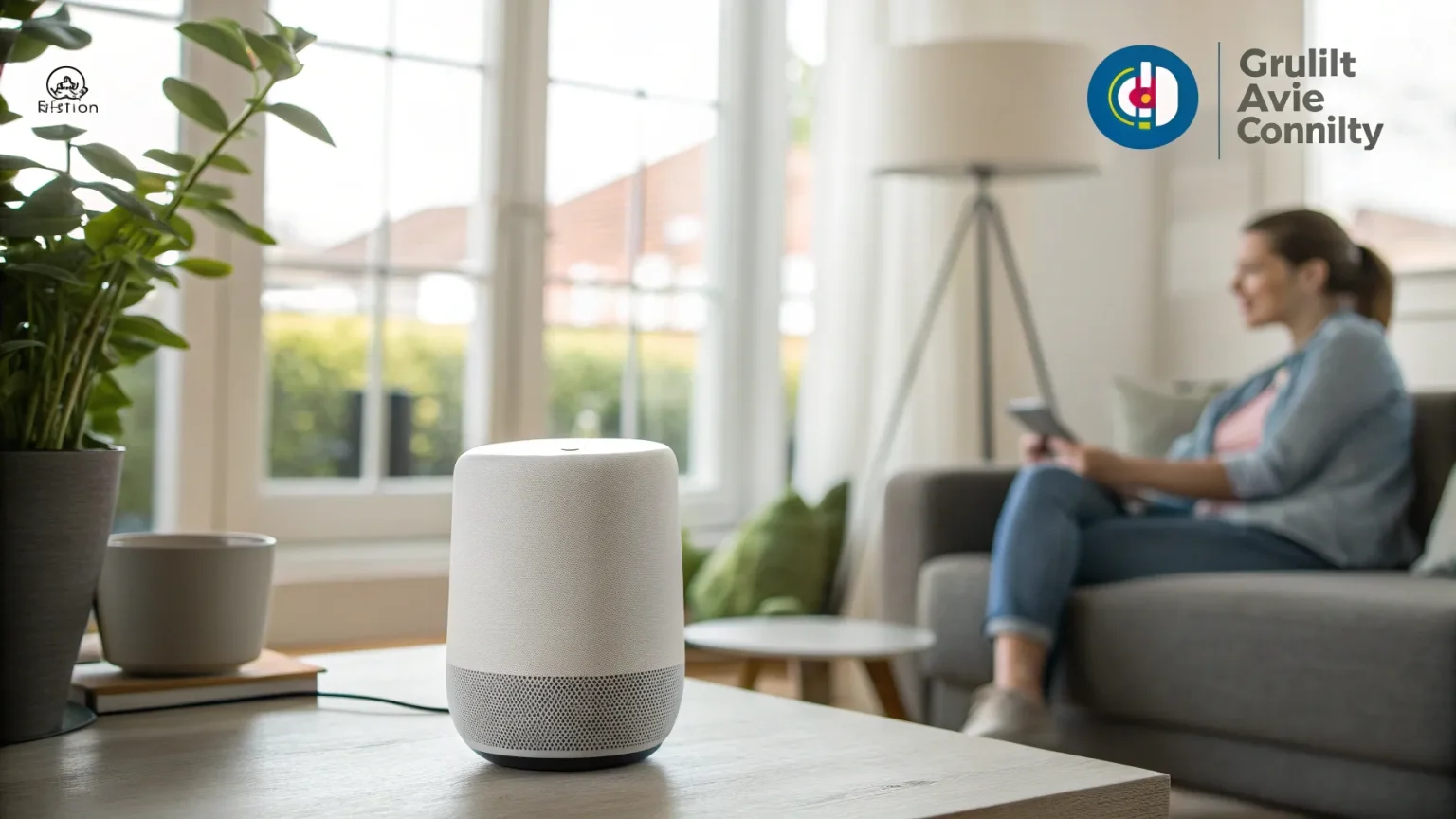
Google faces fresh scrutiny after claimants alleged its voice assistant recorded private conversations without consent. The case raises questions about how always-listening devices operate in homes and offices. It also renews debate over consent, data retention, and the limits of smart speaker surveillance. The dispute centers on whether the assistant activated unintentionally and captured audio that users never meant to share.
What the Claimants Allege
The claimants say the device recorded them when they had not issued a command or wake phrase. They argue this captured personal and sensitive moments. They also contend they were never told such recordings could occur accidentally, or that they could be reviewed later.
“The claimants say Google Assistant recorded private conversations without their knowledge.”
Attorneys for the group are seeking relief under privacy and wiretap laws. The filing suggests class-action status could be pursued if a court allows it. The outcome could affect millions of households that use voice assistants daily.
How Voice Assistants Are Supposed to Work
Voice assistants listen for a wake phrase, such as “Hey Google,” before saving audio. After activation, recordings may be sent to servers for processing. Companies say this helps the device understand commands. They also say users can delete history or turn off saving options. However, audio can be captured if devices mishear the wake phrase. Such false activations are a known risk with hotword systems.
Privacy Track Record and Past Changes
In recent years, public pressure has forced major tech firms to revise review practices. Cases involving human review of audio clips led to pauses and policy changes across the industry. Companies added clearer settings for auto-deletion, guest mode, and voice command controls. They also offered dashboards to see and erase recordings.
Google has said its assistant records only after activation. It has emphasized tools for managing audio and limiting retention. Consumer advocates argue those safeguards can be hard to find or are not enabled by default. They also say accidental activations remain underreported.
Legal Stakes and Industry Impact
The claims highlight the fine line between convenience and surveillance. Plaintiffs often cite state privacy statutes and federal wiretap laws. Courts must decide whether unintended activations count as unlawful interceptions. They also weigh whether users consented through device settings and prompts.
For the industry, the risk is both legal and reputational. A ruling against the company could force changes in wake-word detection and data retention. It could also spark similar suits against other platforms. Consumer trust may hinge on whether companies provide clear, simple controls and plain-language disclosures.
What Users Can Do Right Now
Experts recommend reviewing privacy settings and device placement. Users can reduce the chance of unwanted captures and limit retention.
- Turn off saving audio recordings in account settings.
- Delete past voice history and set auto-delete for future data.
- Mute microphones when privacy is needed.
- Use guest mode to avoid linking activity to an account.
- Place devices away from private areas like bedrooms.
What Comes Next
The case now depends on whether a court finds that hotword errors amounted to unlawful recordings. It also hinges on how consent is defined for smart devices. Regulators in the United States and Europe are closely watching voice-first products. Future rules could require stronger default settings and clearer prompts.
For consumers, the immediate takeaway is simple. Always-on microphones can misfire. Regularly check settings, use mute controls, and review recordings. For companies, the lesson is sharper. Clear consent, minimal retention, and transparent review processes are no longer optional. They are the baseline for trust in connected homes.


