

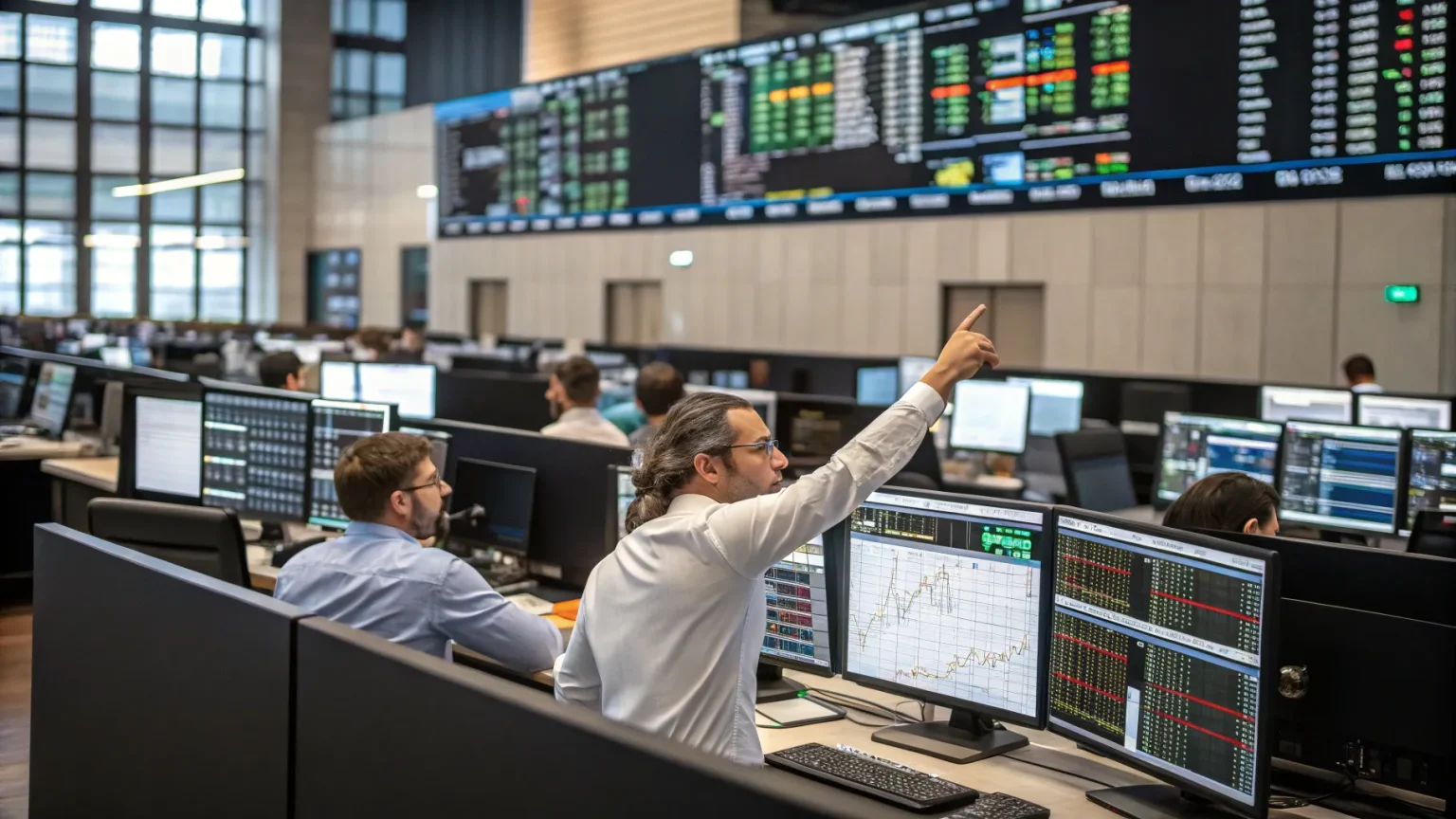
U.S. stocks swung sharply at midday as traders reacted to fresh corporate updates and shifting economic signals, sending several high-profile names to the top of the gainers and losers lists. The action, centered in New York’s afternoon session, reflected fast-changing expectations on earnings quality, guidance, and sector health as investors weighed what comes next for rates and growth.
Major averages held near flat lines while individual names saw wide moves. Activity clustered around companies that reported results, revised forecasts, or faced regulatory and legal headlines. The session highlighted how concentrated news can ripple through sectors and spark quick rotation across the market.
“These are the stocks posting the largest moves midday.”
Why Midday Moves Matter
Midday can be a pressure point for markets. The morning rush fades, liquidity thins, and headlines from corporate calls and economic releases land. That mix can amplify price swings, especially in names with high short interest or tight floats.
Traders also use the noon hour to reassess positions after parsing management commentary and analyst notes. When guidance shifts or margins look different than expected, price targets and risk models can adjust in minutes.
Key Drivers Behind the Swings
The biggest movers tended to share a set of catalysts common to volatile sessions. These triggers often cluster on earnings days and near major data releases.
- Earnings surprises and updated guidance
- Regulatory actions, legal rulings, or policy hints
- Mergers, divestitures, or strategic partnerships
- Commodity price shocks affecting energy and materials names
- Short covering and technical breakouts or breakdowns
When two or more of these hit the same stock, the reaction can be outsized. For example, an earnings beat paired with a buyback can spark sharp rallies. Misses combined with weak outlooks can trigger selloffs that extend through the afternoon.
Earnings Season’s Grip on Trading
Corporate reporting remains the main engine of midday volatility. Revenue growth, margin commentary, and cash flow guidance are under close watch. Management’s tone on demand and inventory can set the market tone for a whole sector.
Analysts tend to update models soon after calls conclude. Those revisions influence institutional flows as funds rebalance. Price action around these updates can be swift, particularly in companies with concentrated ownership.
Sector Rotation and Spillovers
Single-stock news can spill over to peers. A strong read on consumer demand may lift retailers and shippers. A weak hardware outlook can weigh on suppliers across the chain. Banks react in tandem to rate expectations, while biotech names respond to trial results and guidance on cash runways.
Options markets can amplify these moves. As implied volatility resets after results, hedging flows may push prices further in the direction of the initial reaction.
What It Means for Investors
Midday surges present both risk and opportunity. For long-term investors, they can offer entries when price diverges from fundamentals. For short-term traders, they require tight risk controls and clear catalysts.
Volume and confirmation matter. Moves that hold into the final hour with steady volume are more likely to stick. Sudden reversals on light trading often fade into the close.
What to Watch Next
The path ahead depends on three variables: the earnings calendar, guidance trends, and macro data. Companies with pricing power and stable demand may continue to lead. Those facing cost pressure or slowing orders could lag.
Investors are also watching signals on inflation and the labor market. Any shifts in rate expectations can quickly change sector leadership, especially in rate-sensitive groups like financials, real estate, and technology.
Into the close, attention will focus on whether leadership broadens and whether midday movers sustain momentum. That will offer a hint about risk appetite and the market’s confidence in the latest round of corporate updates. If breadth improves, the rally could extend. If leadership narrows, expect choppy trade as investors wait for the next catalyst.
For now, the main story is clear: concentrated news is driving concentrated moves. Traders who track catalysts, manage risk, and watch the tape into the final hour will have the best read on where markets finish the day—and where the next swing may start.


