

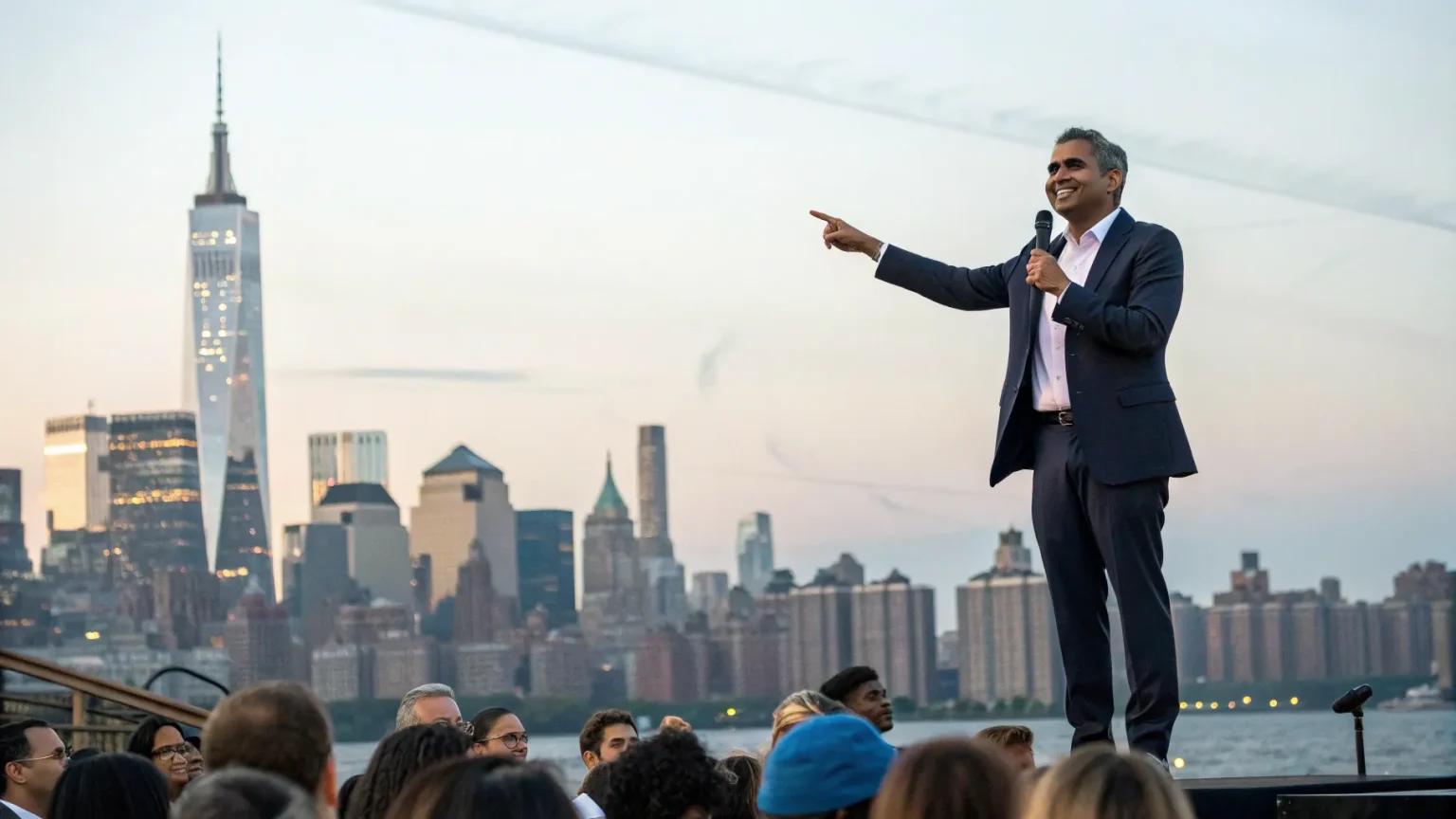
New York City’s next mayor, Zohran Mamdani, used his first major public address since winning the election to set the tone for his incoming administration. For self-employed professionals, freelancers, and small business owners with ties to the city, the Mamdani policies outlined in that speech are more than political theater. They will shape how City Hall approaches housing, taxes, transit, and the cost of doing business over the next four years.
The address, billed in advance as a highly anticipated announcement, came at a moment when the nation’s largest city is managing rising living costs, strained services, and shifting expectations for its government. Early messages from a mayor-elect tend to guide hiring, legislative plans, and agency priorities long before the actual inauguration, and the Mamdani policies signaled in this speech will influence what New York looks like in the first 100 days.
Why the Mamdani policies matter now
Transition periods are when the real operating blueprint of a new administration comes together. Deputies get named, agency heads get vetted, and the first draft of the budget starts quietly taking shape. What a mayor-elect chooses to emphasize publicly in this window tells every agency, union, nonprofit, and contractor what the next four years will reward.
For small business owners and self-employed professionals, the Mamdani policies signal two things. The first is where municipal spending will grow. The second is where regulation, enforcement, and tax policy may tighten. Both matter for how you price contracts, plan hires, and decide whether to expand.
The context around the first address
New York City has been under pressure on multiple fronts. Housing demand has outpaced supply for years, with rents in several neighborhoods hitting record highs. The subway and bus systems are recovering ridership but still rely on unstable funding. Recent storm-driven flooding exposed real gaps in infrastructure. The city continues to support asylum seekers and longtime residents relying on shelters and social services.
At the same time, City Hall faces the mechanical challenge of delivering services while keeping taxes stable and maintaining strong bond ratings. Those goals often pull against each other, and every mayoral administration has to decide where to push and where to hold. The Mamdani policies outlined in the first address give early signals about how that balance will tilt.
What the first speech signaled about Mamdani policies
The speech preview did not list specific bills or dollar figures. It did set clear expectations on three fronts: early priorities, the administrative direction of the incoming team, and a commitment to confront the largest challenges facing the city. Political observers say the first weeks of any transition are a test of organization and clarity, and commitments made now tend to become the scorecard for the first budget.
Five policy areas are expected to draw immediate attention from the incoming administration:
- Affordability. Rents, homelessness, and cost-of-living pressure on families and small businesses.
- Transit and streets. Reliability, safety, and equitable service across the five boroughs.
- Public safety. Community trust, enforcement strategy, and youth services.
- Climate readiness. Flood protection, heat mitigation, and resilient infrastructure.
- City services. Hiring, technology upgrades, and cutting red tape on basic permits.
Affordability at the center of Mamdani policies
Housing and cost of living sit at the core of most of the Mamdani policies previewed in the campaign. Each of them comes with trade-offs. Affordability efforts collide with zoning limits, construction timelines, and financing costs. Commitments to cap rents or expand public housing require legislative and state-level coordination that cannot happen in the first month.
For freelancers and self-employed professionals, rent relief is a direct issue. A meaningful share of solo founders in the city rent apartments that double as offices. The shape of housing policy over the next four years will influence where people can afford to live and whether running a one-person business from a Manhattan or Brooklyn walk-up remains realistic. National policy frameworks for housing and community support, like those tracked by the First 5 Association of California policy priorities, offer a useful reference for how early-years advocacy can intersect with municipal budgets.
Transit and public safety priorities
Transit reliability is a working condition, not a policy abstraction. For anyone who runs a service business that depends on same-day travel across boroughs, bus and subway reliability shape how many clients you can see in a day and how much you can charge for your time. Mamdani policies that prioritize signal upgrades, bus lanes, and targeted service improvements would show up fastest in small-business productivity.
Public safety is the other side of that equation. The incoming administration has signaled an approach that pairs community trust with enforcement where it is needed, and the balance between those tools will be tested in the first budget. Policy analysts expect early moves on youth services and community-based programs, along with continued investment in core policing functions.
Climate readiness and infrastructure
Recent storms have made climate resilience a practical concern, not a theoretical one. Flooded basements, subway outages, and heat waves are now part of how the city experiences ordinary weeks. Mamdani policies on this front will likely focus on flood protection, heat mitigation, and coordination with state and federal agencies on resilient infrastructure. Federal guidance like the FEMA flood mapping and mitigation resources is already shaping how many municipalities plan capital projects, and New York will be no exception.
For small businesses, climate readiness is also a commercial issue. Insurance premiums rise with flood risk. Supply chains get disrupted by severe weather. A business that loses a week of operations to a storm rarely gets that revenue back. Policy that improves municipal resilience directly reduces small-business downtime.
What stakeholders want to hear
Different groups enter the transition period with different priorities, and the degree to which Mamdani policies address each will shape early political alliances.
- Labor unions want clarity on hiring in schools, sanitation, and health services.
- Nonprofits are looking for timely payments and multi-year contracts that prevent service gaps.
- Small businesses seek predictable rules and fewer delays on inspections and licensing.
- Housing advocates are pushing for faster approvals for new homes and stronger tenant protections.
- Commuter groups want signal upgrades and bus lane expansions that cut travel times.
- Budget watchers expect details on savings, revenue forecasts, and how new spending will be paid for.
For self-employed professionals, the small-business and commuter lines matter most. Predictable licensing rules are a direct cost issue. Faster commute times expand your effective service area. Both are the kind of quiet, operational improvements that compound over four years.
Measuring the first 100 days
The first months of any administration usually set the momentum for the term. Voters tend to judge effectiveness by clear, measurable steps rather than sweeping policy rhetoric. Mamdani policies in the first 100 days will likely include executive orders, agency leadership announcements, and public dashboards tracking the work.
Analysts say early moves that build trust include transparent timelines, frequent briefings, and quick fixes to lingering service issues. A realistic plan for housing approvals, targeted street safety projects, and clear storm-readiness measures would demonstrate action while longer-term work continues. If the administration publishes a public scorecard for its first 100 days, that signals confidence in delivery and invites accountability.
What small businesses and self-employed professionals should watch
While the political story is national, the practical story for a self-employed professional is local and specific. A handful of indicators will tell you quickly whether Mamdani policies are moving in a small-business friendly direction.
- Permitting and inspection timelines. Faster turnaround is a sign agencies are being pushed to cut friction.
- Small-business tax and fee changes. Any adjustments to commercial rent tax, licensing fees, or sidewalk rules will land directly on solo operators and storefront businesses.
- Transit service reliability. Commute times for service providers shape how many clients fit into a day.
- Housing approvals. More units in the pipeline stabilize rents over time, which protects the people who run one-person businesses from units they also live in.
- Appointments of agency leaders. Watch who leads the Department of Small Business Services, Department of Buildings, and the MTA.
For a broader operational playbook on running a steady self-employed practice in a volatile city, the self-employed bookkeeping step-by-step guide covers the cash-flow discipline that makes policy changes absorbable, and the essential forms for self-employed professionals lays out the tax infrastructure that will matter regardless of what City Hall does.
The road ahead
New York’s scale means even modest changes are visible. A pilot bus lane that speeds trips for thousands of commuters influences daily routines. A new shelter siting plan can reshape entire neighborhoods. Stable management of big-ticket items such as school budgets, capital plans, and debt service lowers risk across years.
The mayor-elect’s early framing will set expectations for how he governs and how he will be judged. Clear priorities and steady execution keep the focus on outcomes rather than headlines. Mamdani policies that deliver visible improvements in affordability, transit, safety, and climate readiness will define whether this administration is judged as functional or fractured when the first term ends.
As Mamdani moves from campaign to governing, the key test is delivery. New Yorkers will look for straightforward goals, public scorecards, and regular updates. The administration’s first detailed plan, expected after the address, will show how promises translate into budgets, hiring, and timelines. The naming of top deputies, the structure of the transition team, and the release of a 100-day agenda will be the earliest signals of what actually comes next.
Frequently asked questions
Who is Zohran Mamdani and why do his policies matter?
Zohran Mamdani is New York City’s next mayor, elected in the recent mayoral race and set to take office at the start of the new term. His policies matter because New York is the largest city in the United States, and decisions made at City Hall shape housing, taxes, transit, public safety, and the cost of doing business for millions of residents and small business owners.
What policy areas will Mamdani focus on first?
The first major address signaled early priority across affordability, transit and streets, public safety, climate readiness, and the delivery of basic city services. Specific bills and dollar figures have not been released, but the emphasis points to housing, cost-of-living pressures, and resilient infrastructure as early centers of attention.
How will Mamdani policies affect small businesses and self-employed professionals?
Small businesses and solo operators feel city policy through permitting, inspection timelines, commercial rent, licensing fees, and transit reliability. Any changes to these specific levers will land directly on self-employed professionals, which is why the early agency appointments and first-100-day agenda are worth watching closely.
What should New York residents watch during the transition?
Residents should watch for agency leadership announcements, the first detailed policy plan, the release of a 100-day agenda, and the structure of the transition team. These early signals reveal whether promises from the campaign are moving into operational priorities or staying as rhetoric.
How will the new administration handle climate resilience?
Expect an early focus on flood protection, heat mitigation, and resilient infrastructure, along with closer coordination with state and federal agencies on capital projects. Climate readiness has become a practical rather than theoretical issue after recent storms exposed vulnerabilities in drainage, transit, and housing.
When will we see concrete Mamdani policies in action?
The first wave of concrete policy typically arrives through executive orders, agency directives, and the preliminary budget in the early weeks of the administration. A public 100-day agenda, if released, provides a clearer timeline for when specific measures will take effect and what success will look like.


