

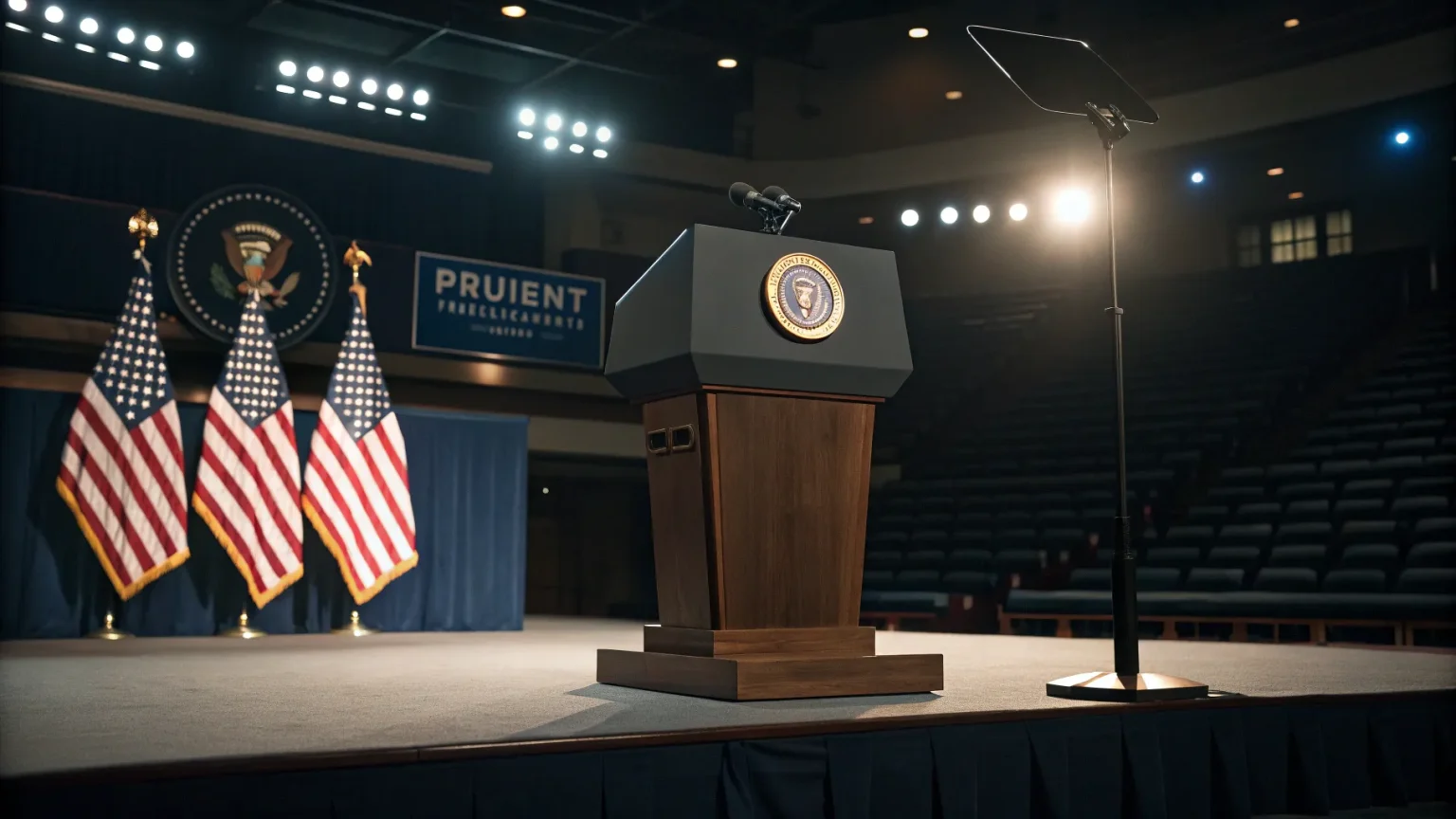
The president delivered a defiant address highlighting economic achievements, even as many Americans say their budgets are stretched by stubborn inflation and a cooling job market. The remarks, coming amid steady public concern over prices and paychecks, set up a test of whether a strong headline message can overcome weak household sentiment.
A Defiant Case for Progress
The president promoted his economic accomplishments in a defiant address.
He argued that growth, investment, and job creation reflect a recovery that is still on track. The tone suggested confidence in recent policy choices. It also signaled a willingness to challenge critics who say the economy feels weaker than the data suggest.
Supporters point to higher infrastructure spending, improved supply chains, and a rebound from pandemic lows. They say these steps helped avoid a deeper downturn. They also argue that wages have risen for many workers, offering a cushion against rising costs.
Voters Feel the Price Squeeze
Some voters are feeling the pinch of stubborn inflation and a cooling labor market.
Price pressures remain the central complaint. Even as some costs have eased, many households see little relief at the checkout line. Families report that fixed bills and essentials still chip away at savings each month.
- Rent and mortgage payments remain high in many cities.
- Grocery and household goods cost more than before the pandemic.
- Gas and utility bills fluctuate, making budgeting harder.
Consumers say the gap between wages and living costs leaves them cautious. That caution shows up in reduced discretionary spending and delayed big-ticket purchases. It also feeds anxiety about future bills and retirement plans.
Labor Market Momentum Slows
Hiring has shifted from hot to warm. Businesses continue to add positions, but at a slower pace. Openings have eased, and some sectors are trimming hours rather than expanding teams. Workers switching jobs report smaller pay bumps than a year ago.
Economists say a gradual cooldown can help tame inflation without a sharp rise in unemployment. The risk is that a gentle slowdown can tip into broader weakness. If layoffs accumulate, the mood could darken quickly.
Competing Storylines Shape Public Opinion
The White House highlights gains that can be measured. Voters weigh those numbers against daily costs that feel unavoidable. That split shapes how people judge the economy, and by extension, the president’s performance.
Some analysts say the timing matters. Even if price growth slows, years of higher costs leave a lasting impression. Others note that a steady job market can rebuild confidence, but only if wage growth outpaces inflation long enough for families to notice.
What to Watch Next
Upcoming price reports and job figures will test both narratives. If inflation cools further and wages hold up, the president’s case may gain traction. If prices re-accelerate or hiring falters, public frustration could deepen.
Policy choices also bear watching. Targeted relief, housing supply efforts, and moves to lower key costs, such as energy and healthcare, could shift household math. Business investment trends will signal whether employers expect steadier demand or are bracing for a slowdown.
The address set a clear contrast: a firm defense of recent progress versus a public still wary of rising costs and job security. The months ahead will show which view resonates more. For now, the economy remains a story told in two voices—official data pointing to resilience, and kitchen-table budgets that say the strain has not yet lifted.


