

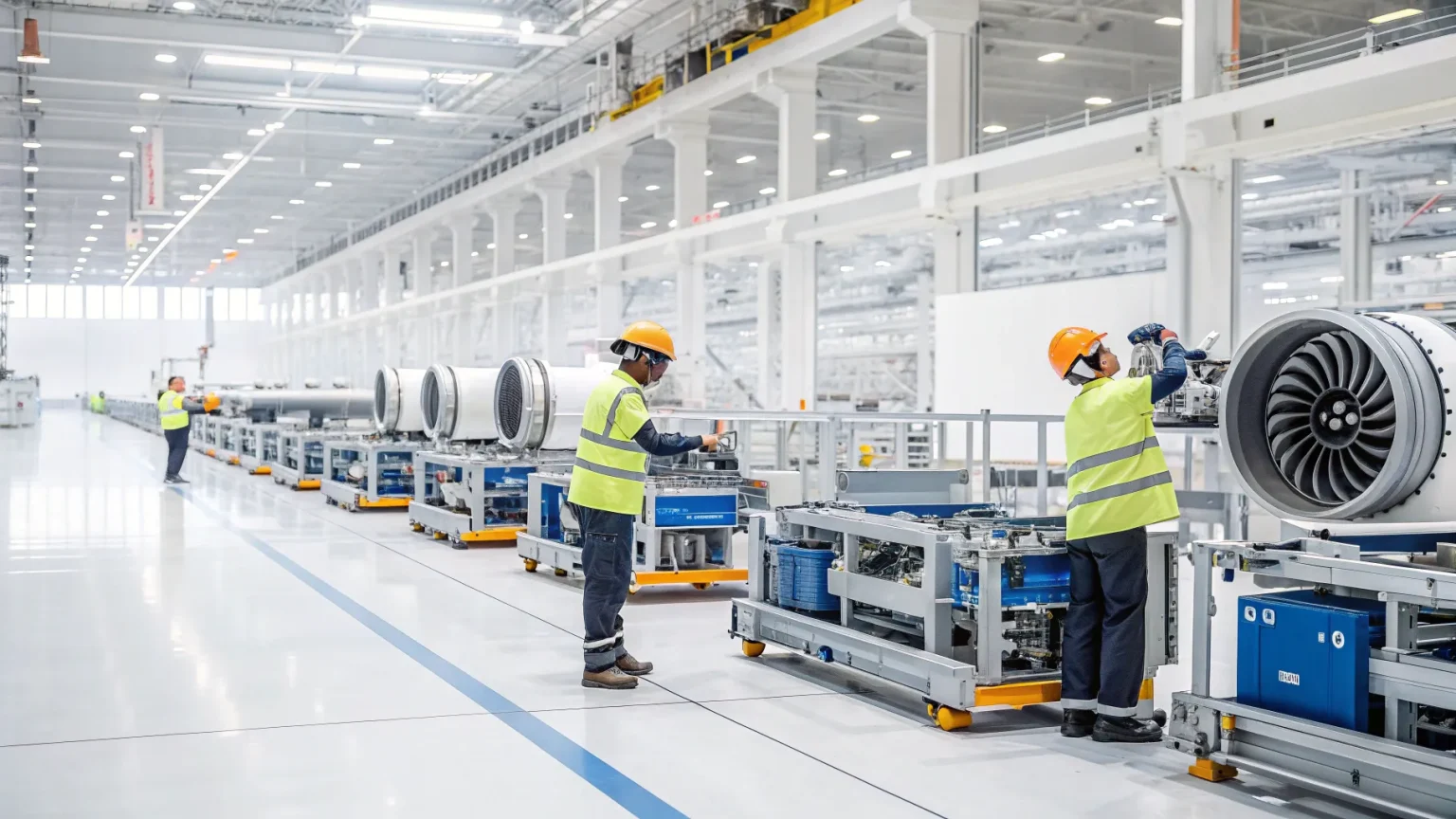
RTX lowered its 2025 profit outlook on Tuesday, citing higher costs from U.S. trade actions under President Donald Trump even as demand for jet engines and aftermarket services remains firm. The company said tariffs on aluminum and steel, along with reciprocal measures abroad, have added uncertainty and increased pressure on a supply chain that is already tight. The move signals rising cost risk for aerospace manufacturers heading into next year.
Why the Forecast Changed
RTX has been warning investors that trade policy is hurting margins. The company said it could face an $850 million hit tied to tariffs and related measures. That estimate rests on several assumptions about tariff rates that affect metals and imports.
“RTX had warned of an $850 million hit from the trade war, though it was based on the assumption that steel and aluminum tariffs remain at 25%, China tariffs remain at 145% and global reciprocal tariffs remain at 10%.”
Executives pointed to strong demand for engines and parts, which supports revenue. But higher input costs and delivery risks can outweigh those gains when tariffs lift prices for key materials.
Supply Chain Under Strain
The aerospace supply chain has struggled with material shortages and labor gaps since the pandemic. Tariffs on aluminum and steel have pushed prices up and complicated sourcing plans. Suppliers face longer lead times and higher working capital needs, which can slow deliveries.
“Trump’s imposition of tariffs on imports of aluminum and steel has shrouded the markets with uncertainty, threatening to add pressure on an already-strained supply chain.”
Uncertainty also makes it harder to lock in contracts. If tariffs shift, a fixed-price deal can turn unprofitable. Companies then carry extra buffers, which adds cost.
What the Tariff Assumptions Mean
The company’s guidance is built on specific policy levels that drive material costs and import duties. Changes to these rates could swing results.
- Steel and aluminum tariffs at 25%
- China tariffs at 145%
- Global reciprocal tariffs at 10%
Higher metals costs flow through engine casings, blades, and structural parts. The impact is broad because aluminum and steel are used across commercial and defense programs.
Investor and Industry Implications
For investors, the cut signals that cost inflation remains a risk into 2025. Other aerospace firms with heavy metals exposure may face similar pressure. Airlines could see higher prices for parts and maintenance if suppliers pass costs along, though long-term contracts may delay the effect.
Supporters of tariffs argue they protect domestic metal producers and jobs. Critics warn that downstream manufacturers end up paying more, which can slow output and dull competitiveness. RTX’s move suggests that, for complex products like jet engines, the downstream cost burden is significant.
Outlook and What to Watch
RTX still benefits from strong flying activity and sustained demand for engine overhauls. That supports cash flow, even with higher input costs. The main question is whether tariff policy changes in 2025, and how quickly suppliers can stabilize materials and labor.
Investors will watch for updates on:
- Tariff policy shifts that change cost assumptions
- Supply chain recovery and delivery rates
- Pricing power in aftermarket contracts
- Any hedging or sourcing moves that lower metals exposure
For now, the company is signaling caution. Strong demand is not enough to offset tariff-driven costs without clearer policy or supply relief.
RTX’s guidance cut highlights a key theme for the sector: earnings in 2025 will depend as much on trade policy and supply stability as on sales. If tariffs ease or sourcing improves, the $850 million drag could narrow. If conditions hold or tighten, manufacturers may face another year of margin pressure.


