

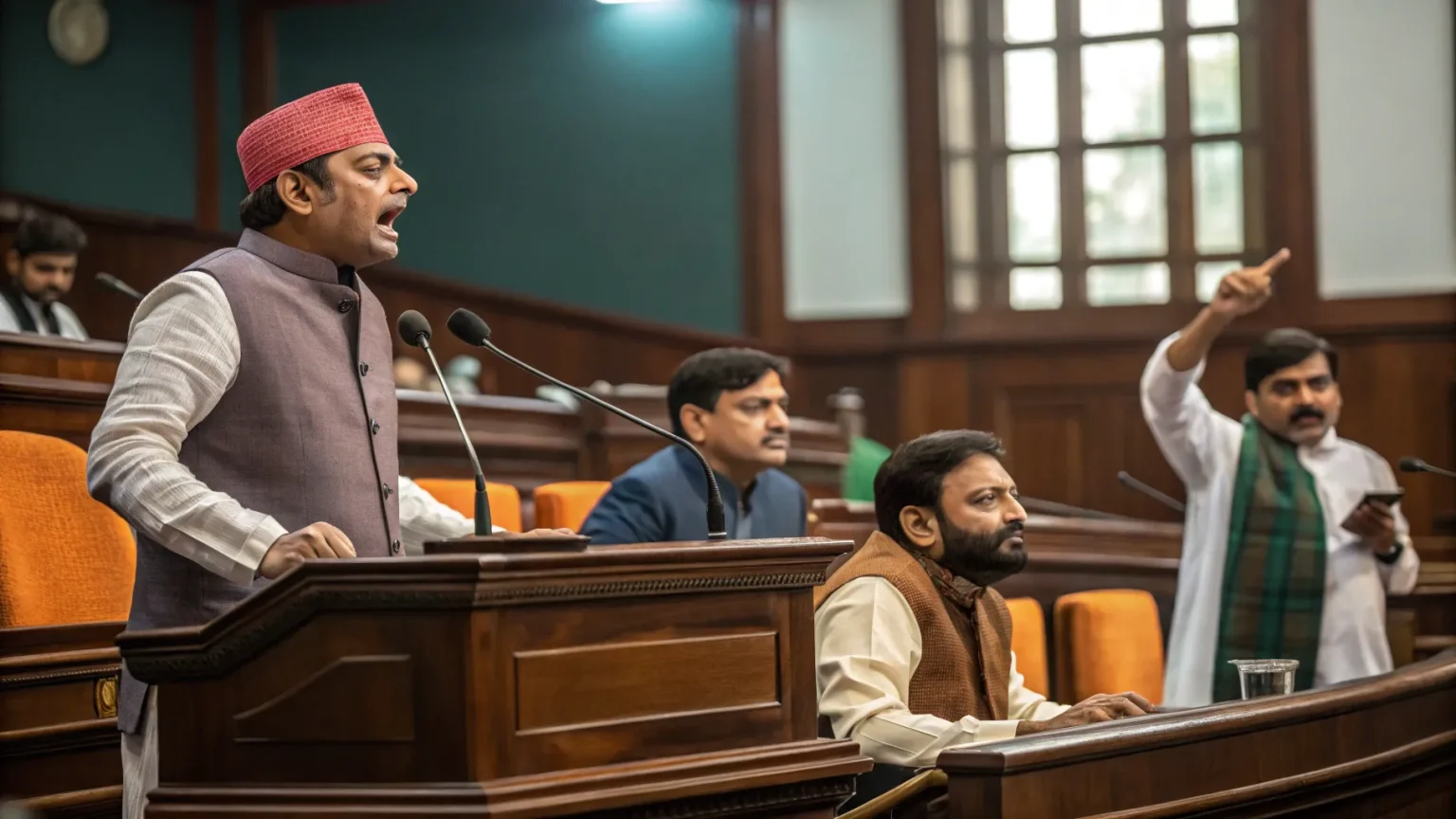
India’s Parliament entered Day 4 of the Winter Session with heated exchanges over Delhi’s worsening air and the country’s Special Investment Region policy. Members in the Rajya Sabha pressed the government on public health risks and the economic choices shaping national development. The debate in New Delhi framed a wider question: how to grow without deepening a public health crisis.
Lawmakers demanded clarity on plans for cleaner air in the capital. They also sought answers on how SIRs would distribute benefits across states and cities. The discussion reflected competing pressures at a time of slow winter wind, peak travel, and investment pitches to global manufacturers.
Air Quality Takes Center Stage
Delhi’s air has long drawn concern during winter months. Stagnant weather, vehicle emissions, industrial activity, and construction dust push pollution levels higher. Health researchers warn that this mix increases risk for children, older adults, and those with asthma or heart disease.
Members argued that the costs are not abstract. Sick days reduce productivity. Households face medical bills. Small businesses see fewer customers outdoors on poor-air days. Several speakers urged immediate steps that could show quick gains while longer projects advance.
“Intense debates on rising Delhi air pollution… Lawmakers raised public health concerns,” one summary of the discussion noted, capturing the urgency that dominated the floor.
Some called for closer coordination among central agencies, Delhi authorities, and neighboring states. They said policies matter most when they align on enforcement, funding, and timelines. Others pushed for greater public disclosure of daily actions taken, so residents can track progress.
What Is at Stake in SIR Discussions
The Rajya Sabha also turned to SIRs, which are planned zones meant to attract investment through land pooling, infrastructure, and lighter compliance. Supporters say the model can bring jobs, logistics hubs, and higher-quality public services if done carefully. Critics fear uneven gains, land conflict, and strain on water and air if oversight is weak.
“The SIR discussions” ran alongside the pollution debate, a pairing that highlighted the link between growth choices and environmental stress.
Members asked whether future SIRs would include strict environmental standards from the start. They pressed for details on monitoring, community participation, and transparent impact assessments. Several urged transport-first planning to avoid sprawl and traffic that worsen emissions.
Balancing Growth and Health
The debate showed broad agreement on two points. Growth is necessary. Clean air is non-negotiable. The dispute centers on speed, sequencing, and accountability.
Public health advocates argued for measures that reduce exposure immediately. They mentioned roadside dust control, better fuel quality checks, and support for hospitals during peak pollution days. Industry voices asked for predictable rules and faster clearances, paired with clear pollution targets.
- Short-term relief: stricter enforcement on construction dust and waste burning.
- Medium-term gains: cleaner buses and last-mile links to cut private vehicle use.
- Long-term change: industrial relocation or retrofitting with real-time emissions tracking.
- Transparent data: daily reporting on actions and results to build public trust.
Signals for Policy and the Economy
The session hinted at how policy could move. If air goals are embedded in SIR plans, new investment may come with cleaner power and transport built in. That could lower healthcare costs and lift worker productivity. If they are not, the capital and nearby regions risk deeper health impacts and periodic shutdowns.
Several members urged independent audits of both air measures and SIR outcomes. They asked for shared standards across states so companies face clear expectations. They also suggested incentives for green construction, energy-efficient buildings, and cargo shifts to rail.
The Winter Session’s fourth day did not produce final answers, but it sharpened the trade-offs. Lawmakers linked Delhi’s air to the larger project of industrial growth, signaling that future approvals will face tighter scrutiny. The next steps to watch include any time-bound plan for winter pollution, new reporting on enforcement, and whether upcoming SIR frameworks adopt stronger environmental safeguards. Progress on those fronts will show if India can protect public health while competing for investment.


