

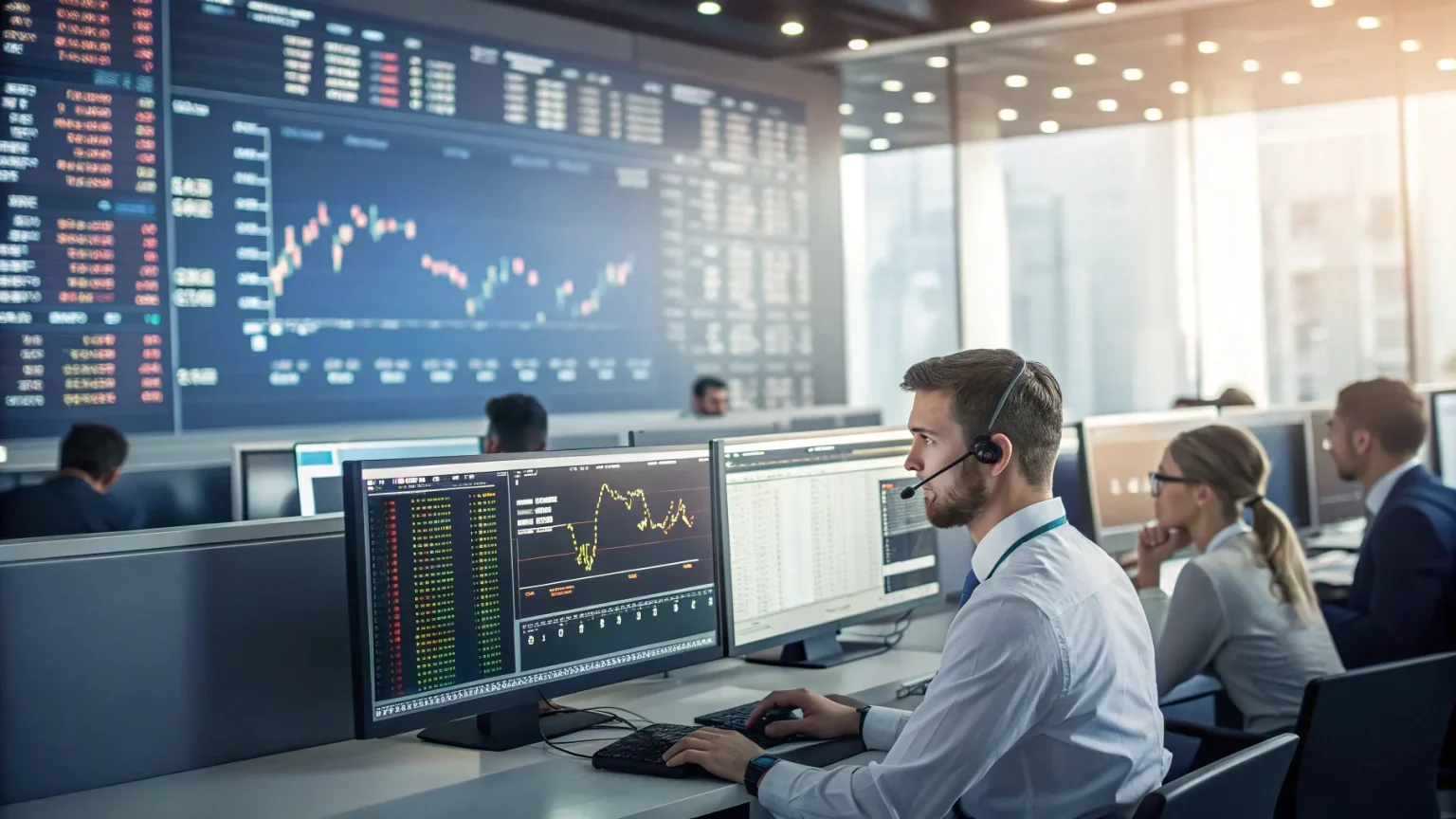
As traders scan for direction at the open and into the close, a live “Stock Market Today” feed is promising steady updates, analysis, and a look at stock futures. The service posts throughout each session, tracking what moves the major indexes, which sectors lead or lag, and how futures set the tone before the bell. With investors navigating earnings season, interest rate jitters, and shifting sentiment, the offering aims to give readers timely signals and clear context.
Market news can swing quickly. A strong jobs report can lift cyclical shares before noon, then a late-day policy comment can reverse the rally. Investors often struggle to keep up with the flood of headlines and data. Intraday briefings help by highlighting what matters most in real time and by separating durable trends from noise. Futures coverage adds another layer, offering a first look at risk appetite hours before cash trading begins.
Why Intraday Updates Matter
Daily trading now runs on fast information. A single guidance change can reset valuations across a sector in minutes. Intraday coverage tracks those shifts so readers see how narratives evolve.
Short-term moves also shape longer-term portfolios. When rates rise, growth shares often underperform. When energy prices jump, transportation and consumer stocks can feel pressure. Real-time notes help investors connect these cause-and-effect links during the session.
Liquidity patterns are another factor. Many stocks see their widest price swings at the open and the close. Tracking these windows can help investors plan entries and exits with better discipline.
How Stock Futures Shape Trading
Futures trade almost around the clock, offering early clues about the day ahead. Overnight moves can reflect overseas data, policy headlines, or commodity swings.
If futures point higher, risk sentiment may improve as the bell rings. If they drop, traders may brace for defensive positioning. Futures do not guarantee the day’s outcome, but they frame the opening conditions and often guide premarket positioning.
Options activity tied to futures can also amplify early moves. When implied volatility rises, spreads widen and price discovery slows. Coverage that tracks these shifts helps readers manage expectations at the open.
What Readers Can Expect
The feed organizes the session into digestible updates, focusing on price action, catalysts, and implications for the next leg.
- Premarket reads on futures, commodities, and key earnings movers.
- Midday sector checks and notable breakouts or breakdowns.
- Policy and economic data summaries with quick takeaways.
- Closing recap that tracks breadth, volume, and winners and losers.
“Stock Market Today highlights the latest stock market news and analysis. Updated throughout each session, it also include stock futures.”
The editors say the goal is timely clarity. The focus is on what changes investor positioning, not every headline.
Balancing Views and Managing Risk
Markets move on both data and expectations. When inflation cools, equities can rally, but the path depends on how much relief was already priced in. A balanced feed notes both the headline print and the surprise factor against forecasts.
Sector rotation is another theme. Defensive shares can climb even during a weak tape, while momentum names may stall on light volume. The updates track these rotations so readers can see where money is flowing rather than guessing.
Risk management tips often appear between the lines. Traders watch support and resistance on major indexes. Long-term investors watch earnings revisions and credit spreads. Regular check-ins on these gauges help align tactics with time horizons.
Looking Ahead: Catalysts to Watch
The near-term calendar can drive outsized swings. Central bank meetings, inflation reports, and key earnings calls often move indexes more than typical days. A real-time service keeps those dates front and center and flags when consensus shifts.
Global events can also ripple through U.S. markets. Currency moves affect multinational earnings. Energy price spikes hit transport and consumer budgets. An intraday lens integrates international signals with domestic trading.
For many readers, the value comes from pattern recognition. By watching how futures set the stage and how sectors respond, investors build a playbook for similar setups down the road.
The takeaway is simple: a steady stream of clear, short updates can keep readers centered during volatile sessions. By pairing premarket futures reads with intraday analysis and end-of-day context, the coverage helps separate signal from noise. Expect tighter focus during big data releases, more color on leadership changes, and close tracking of liquidity around the open and close. As the next run of earnings, policy decisions, and global headlines arrives, staying current minute by minute could be the edge that matters.


