

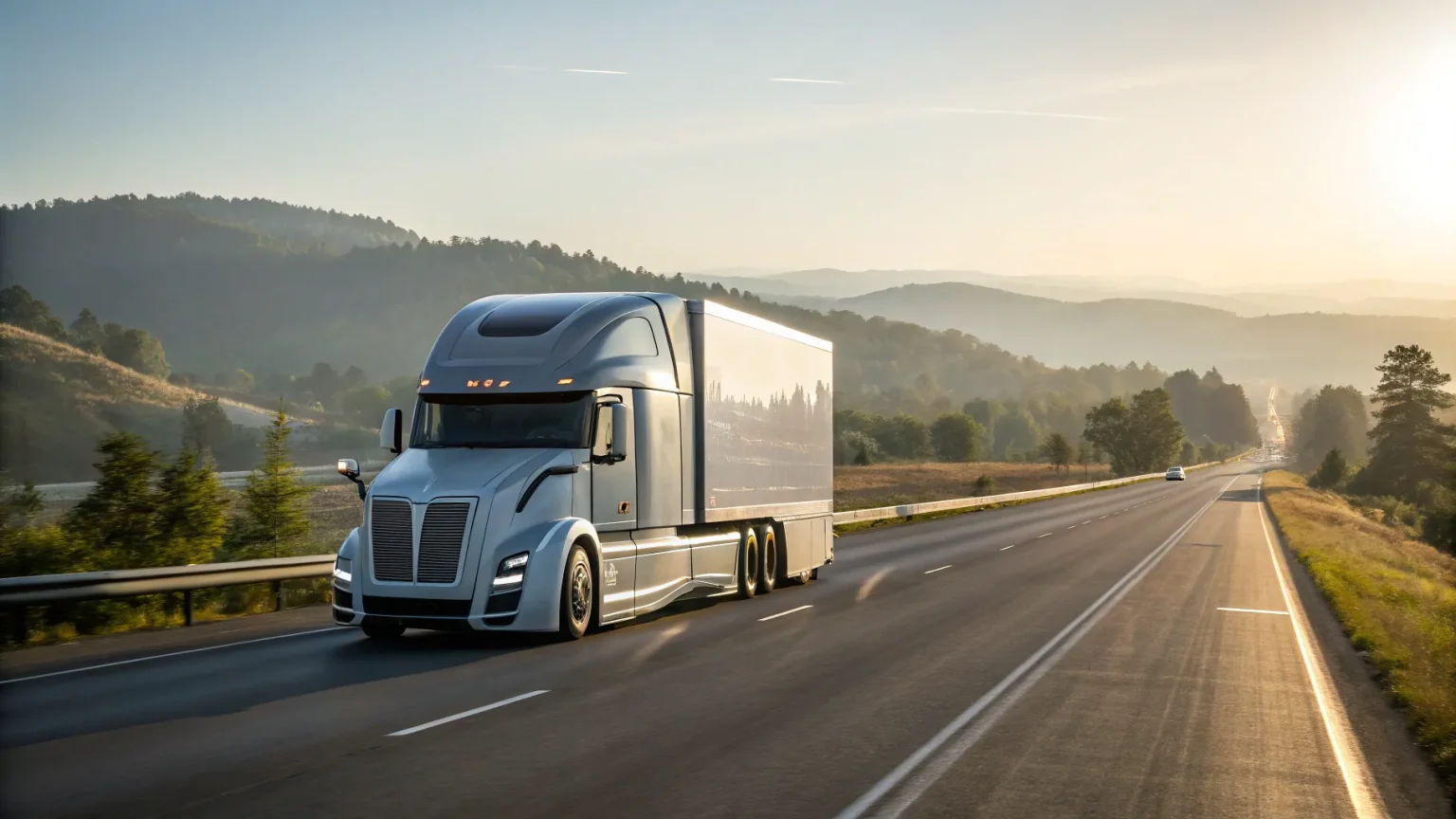
Kodiak AI’s founder and CEO Don Burnette says the company’s tractor-trailers are “completely autonomous,” signaling a fresh push to commercialize driverless freight. He made the case on The Claman Countdown, outlining how the technology could move goods without a human behind the wheel. The remarks arrive as regulators, shippers, and drivers debate when and how heavy trucks should operate on public roads with no on‑board human.
Autonomous trucking has developed in stages. Most pilots still use safety drivers. Some states allow testing without one under strict rules. Investors want a clear path to revenue. Trucking customers want predictable delivery times and lower costs. Burnette’s claim places Kodiak among firms asserting they are ready to scale.
What “Completely Autonomous” Means
Burnette framed Kodiak’s current capability in straightforward terms.
He described the company’s tractor-trailers as “completely autonomous.”
In trucking, that phrase suggests the vehicle can plan routes, sense its environment, and handle lane changes, merges, and traffic without human control. It may also imply remote supervision instead of a driver in the cab. The details matter. Companies often use different safety and fallback models. Weather limits, route restrictions, and operating hours also vary.
Safety, Certification, and Oversight
Safety is the first test for any driverless truck. Federal regulators oversee commercial vehicle standards. States issue rules for autonomous operation on local roads and highways. Companies must prove careful design, strong testing, and clear procedures for unusual events.
Industry observers say transparent reporting can build public trust. That includes sharing disengagement rates, routes, and incident data where required. For long‑haul freight, consistency mile after mile is critical. A single high‑profile crash can slow adoption nationwide.
Economic Stakes for Shippers and Drivers
Freight networks run on thin margins. Even small gains in fuel use, routing, or up‑time can change costs. Driverless trucks could run longer hours with planned stops. That could push down delivery times on certain lanes.
Labor effects remain a worry. Some expect shifting roles rather than simple job losses. Yard drivers, maintenance techs, and remote operators may grow in number. Training programs and clear career paths can smooth the shift. Unions and carriers will press for safe deployment and fair pay models as technology spreads.
Competition and Technical Approaches
Kodiak is one of several firms pursuing highway autonomy for Class 8 trucks. Competitors test limited, repeatable routes to reduce complexity. The aim is to avoid city driving while using interstate corridors with good mapping and predictable traffic flows.
Key technical choices include sensor combinations, redundancy in braking and steering, and fallback behaviors. Companies commonly rely on lidar, radar, and cameras. They also design backup systems that keep a truck controllable if one part fails. These choices shape costs and scalability.
Regulatory Questions Still Ahead
Lawmakers are weighing how to apply inspection, logging, and hours‑of‑service rules to vehicles with no driver. Insurance models are also evolving. Carriers, technology providers, and shippers need shared standards for responsibility when incidents occur.
- Who is liable in a crash: the carrier, the software provider, or the truck maker?
- How should data from sensors be stored and shared after an incident?
- What testing thresholds should be met before wider deployment?
What Burnette’s Comment Signals
By asserting “completely autonomous” operation, Burnette is placing a marker for Kodiak’s readiness. It suggests the company believes its system can manage key freight lanes under defined conditions. It also indicates a push to win large shipper contracts that demand reliability and clear service levels.
Investors will look for proof points. These include paid freight runs, on‑time performance, and third‑party safety audits. Shippers will seek predictable pricing and contingency plans for weather, construction, or system outages.
Driverless trucking is edging from pilots to paid service, but the pace will vary by state, corridor, and business case. Burnette’s statement raises the stakes for competitors and regulators alike. The next signs to watch are commercial agreements, published safety data, and expanded routes without a driver in the cab. If those arrive together—and hold up under scrutiny—driverless freight could become a regular part of the highway picture.


