

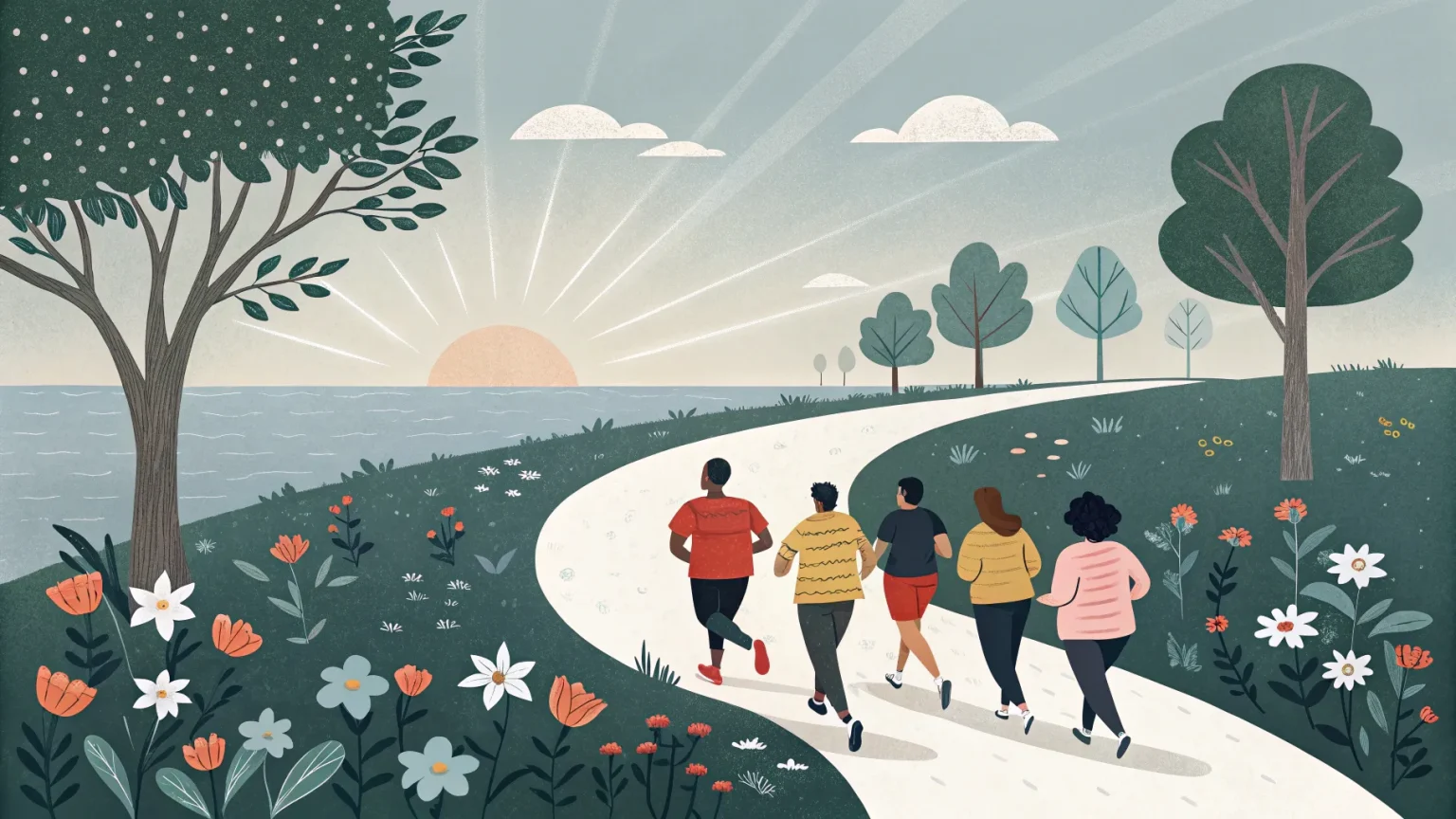
There’s a well-known African proverb that states, “If you want to go fast, go alone. If you want to go far, go together.” While this wisdom has proven true throughout my life, I’ve discovered something even more powerful: with the right teammates and collaborators, I can actually go faster than I ever could on my own.
This insight isn’t just theoretical for me—it’s something I’ve experienced firsthand. As a competitive swimmer in high school and college, I noticed something curious: I consistently swam my fastest splits during relay events rather than individual races. The reason wasn’t mysterious. I wanted to win more intensely when I was part of a team that pushed me to be better than when I was competing alone.
The Collaborative Advantage
The power of collaboration was reinforced for me recently at SeedSpark’s CollabCon, a brilliant initiative created by my friend Chad Jenkins. This two-day symposium brought together exceptional entrepreneurs, and the collaborative energy in the room was palpable. What struck me most was how quickly ideas evolved and expanded when shared among this diverse group of thinkers.
True collaboration isn’t just about working together—it’s about creating something greater than the sum of our individual efforts. When we bring together people with complementary skills and perspectives, we can overcome obstacles more efficiently and discover innovative solutions that might never emerge in isolation.
This runs counter to the common entrepreneurial narrative that glorifies the solo genius or the lone wolf. While there’s certainly value in individual focus and determination, the most significant achievements in business and life typically involve teams of people working toward a shared vision.
Finding Your Collaborative Edge
What makes for effective collaboration? Based on my experiences, these elements are crucial:
- Complementary skills that fill gaps in your own abilities
- Shared values but diverse perspectives
- Mutual trust and accountability
- Clear communication and expectations
The right collaborators don’t just help you work—they help you work better. They challenge your assumptions, offer fresh insights, and provide support when obstacles arise. They’re the difference between a good idea and a great execution.
I’ve found that the most productive collaborations often emerge from genuine relationships rather than purely transactional arrangements. When people care about each other’s success, they invest more deeply in the shared work.
Building Your Collaborative Network
So how do you find these ideal collaborators? Start by being one yourself. Offer value to others without immediate expectation of return. Show up consistently. Listen more than you speak. Celebrate others’ successes as enthusiastically as your own.
Events like CollabCon demonstrate the power of intentionally creating spaces for collaboration. By bringing together entrepreneurs with shared interests but diverse backgrounds, Chad Jenkins has catalyzed connections that will likely lead to significant innovations and business growth.
The most valuable asset in your professional life isn’t your individual talent—it’s your collaborative network. The people who challenge you, support you, and partner with you will determine how far and how fast you can go.
Looking back at my own career journey, from completing my first business turnaround at 28 to serving as president of four successful companies including Bizjournals.com, I can clearly trace my biggest wins to strong collaborative relationships. The times I’ve tried to go it alone have rarely yielded the same results as when I’ve engaged the right team.
As we navigate increasingly complex business challenges, the ability to build and nurture effective collaborations will only become more valuable. The lone genius myth is giving way to a more nuanced understanding of how innovation actually happens—through connection, conversation, and collaboration.
Who are the people helping you go faster and farther? Who makes you better than you could be on your own? I’m grateful for Chad Jenkins and the collaborative community he’s building. Who are you grateful for?


