

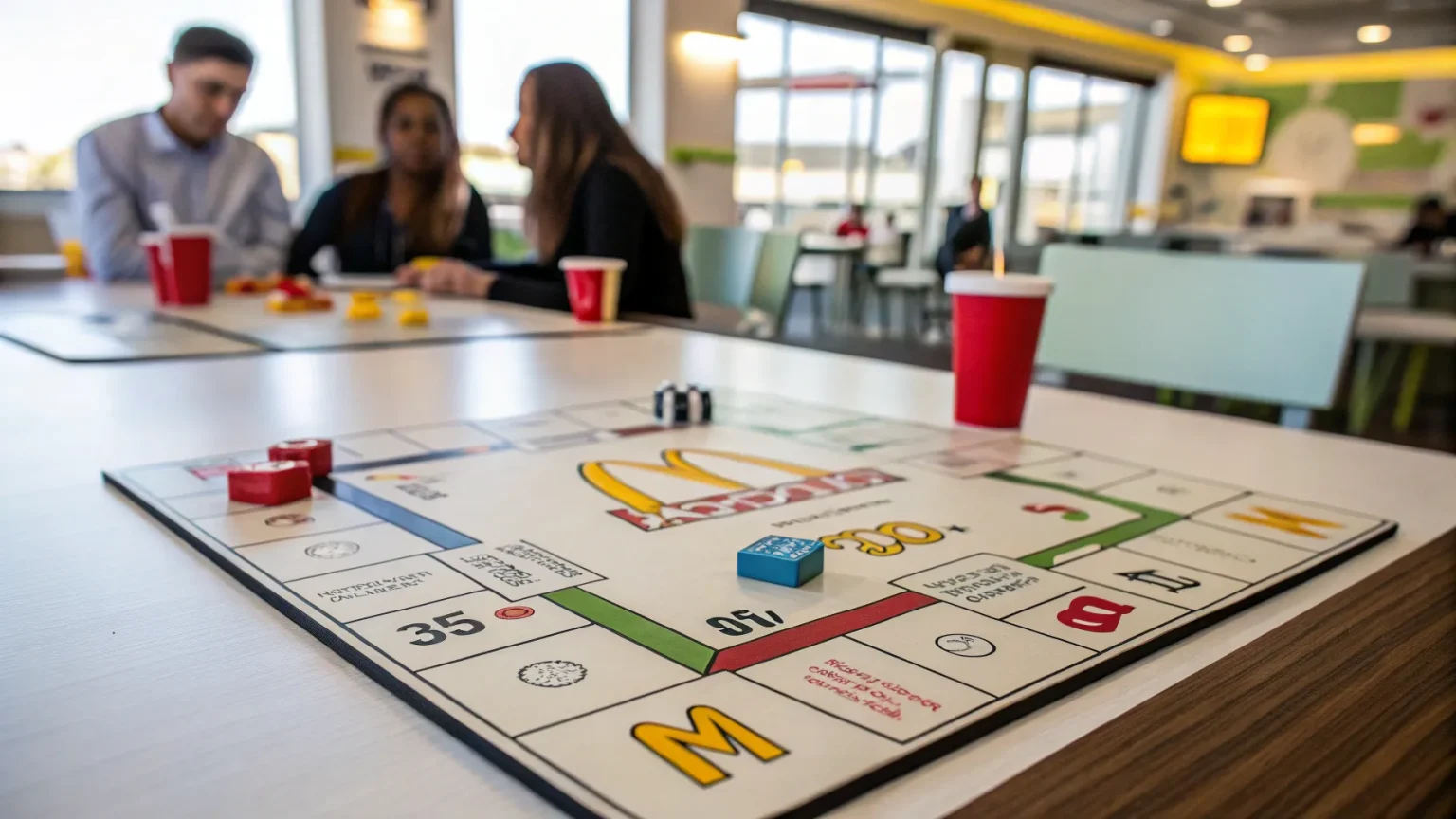
The chance of landing a big prize in McDonald’s Monopoly promotion appears slimmer this season, prompting fresh scrutiny of one of the fast-food giant’s most recognizable marketing plays. The long-running game, which returns each year across several markets, is drawing attention from customers and analysts who say the biggest prizes feel further out of reach than in past years.
The promotion, launched decades ago to boost traffic and repeat visits, has evolved from peel-off stickers to a hybrid of in-store game pieces and app-based codes. While the format has changed, the core idea remains: collect rare pieces to complete property sets or win instant prizes. This year’s campaign has raised the question of whether the odds, especially for headline prizes, have stretched longer than before and why that might be happening now.
Background: A Game That Built Habits
McDonald’s introduced the Monopoly promotion in the late 1980s, pairing menu items with game pieces that mimic the famous board game properties. The campaign became a seasonal event, designed to nudge customers into extra purchases and repeat visits in hopes of finishing a set.
The promotion has not been without controversy. From the mid-1990s to the early 2000s, an independent security contractor orchestrated a large-scale fraud scheme that diverted rare pieces, later chronicled by federal investigators and in the documentary “McMillions.” McDonald’s overhauled procedures after the case, tightening security and auditing.
In recent years, the company has shifted some elements to its mobile app, adding digital codes, leaderboards, and more instant-win offers. That expansion has made the game more visible, and likely increased the number of participants competing for the same pool of top prizes.
How The Promotion Works Now
Today, customers typically receive a mix of instant-win pieces and “collect-to-win” properties with selected items. Completing a set yields a higher-value prize. The structure usually hinges on one or two rare pieces per set, which drives scarcity.
- Instant wins often include food, small cash, or coupons.
- Collect-to-win sets require rare pieces that are printed in very limited numbers.
- Some markets use app codes that must be entered to claim or track entries.
This two-track system encourages more purchases and keeps participants engaged through both small rewards and the lure of a major payout.
“Longer Than Ever”: A Growing Perception
The odds for McDonald’s longtime game are longer than ever.
That sentiment echoes across social posts and consumer chatter. While the company’s official rules disclose odds and prize counts by market, many players say the biggest wins feel less attainable. Analysts point to three likely reasons: a larger player base through digital channels; budget discipline on prize pools amid cost pressures; and the natural effect of scarce “anchor” pieces in each set.
Economics Behind Tougher Odds
Promotions serve a clear goal: increase visits and average check size. If more customers play, the same number of grand prizes is spread across a wider audience, making individual chances smaller. App-driven participation likely amplifies that effect.
Restaurants have also faced higher costs for wages, ingredients, and packaging. Marketing budgets can shift under those pressures. A steady or slightly smaller top-prize pool, combined with rising participation, will stretch the odds even further. The company can still keep customers engaged by offering more low-value instant wins while limiting the rarest pieces.
Consumer Expectations And Legal Guardrails
U.S. and many international markets require clear disclosures on odds, prize counts, and a no-purchase-necessary entry route. Legal fine print aims to prevent games of chance from turning into de facto lotteries without transparency. Consumer advocates argue that disclosures are often dense and easy to miss in an app or on packaging.
Experts also warn that lottery-like mechanics can drive impulsive behavior, though food prizes and small cash amounts soften the risk. The bigger issue, they say, is fair notice: players should have a clear picture of their chances before spending extra money to chase a set.
What To Watch Next
Transparency could define the next phase of the promotion. Clear in-app dashboards showing prize counts remaining, odds by tier, and simple instructions would give players a better grasp of their chances. Some markets already pilot versions of these tools.
Another trend worth tracking is the balance between instant wins and collect-to-win sets. More small rewards keep customers engaged and satisfied, even if grand prizes remain rare. That mix could be the key to keeping trust while preserving the economics that make the promotion viable.
For now, players may feel the distance to the top prizes growing. The campaign still sparks repeat visits and social buzz, but expectations are shifting. If odds are longer, the game’s future may hinge on clarity, fair design, and rewards that feel worth the chase.


