

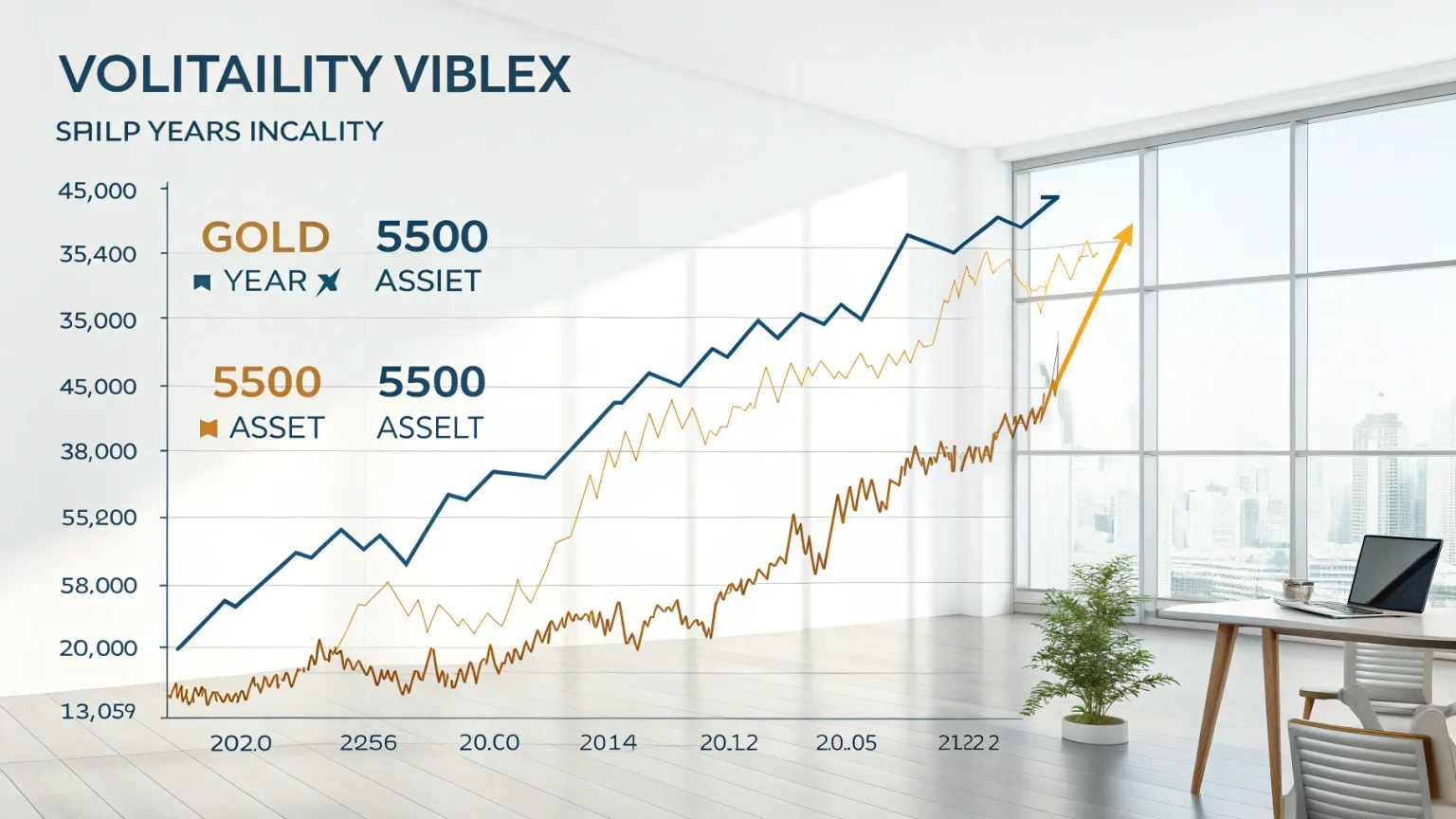
Cross-asset volatility between gold and the S&P 500 has surged to a multi-year high, signaling a shift in investor behavior as cash moves to the sidelines. The move comes after a choppy stretch across equities and commodities, with traders recalibrating risk and profit-taking gaining pace. The rise matters for portfolio managers, retail investors, and corporate treasurers who watch gold as a hedge against market stress.
Volatility in gold prices against the S&P 500 has reached a multi-year high as “people take money off the table.”
The trend reflects investors reducing risk and locking in gains after a strong run in select stocks and gold. It also points to uncertainty about interest rates, inflation, and global growth.
Why the Relationship Matters
Gold and U.S. equities often move in different directions during stress. Gold is viewed as a store of value in periods of inflation, war, or financial strain. Stocks, by contrast, are tied to earnings and credit conditions.
When the statistical link between the two becomes more volatile, it suggests investors are unsure which hedge will work. That can trigger larger swings in both assets as traders rebalance.
Episodes like the 2008 financial crisis, the 2011 debt ceiling standoff, and the 2020 pandemic saw similar patterns. During those times, gold sometimes rallied while stocks fell, but not always. Correlations shifted quickly as policy and sentiment changed.
What Is Driving the Spike Now
Market participants cite several overlapping forces. Rate expectations have swung week to week. Inflation data has been uneven. Overseas tensions have lingered. The U.S. dollar has shifted, affecting commodity pricing.
- Shifting Federal Reserve outlook and timing of rate cuts
- Mixed inflation readings and wage trends
- Geopolitical risks affecting energy and supply chains
- Dollar strength or weakness influencing gold demand
- Profit-taking after strong rallies in select assets
When these factors move at once, hedges can fail or overreact. That widens the gap between gold’s moves and equity swings. It also makes risk models less reliable for short periods.
Inside the Trading Desk
Traders describe a market leaning on cash while waiting for clearer signals. Some funds have trimmed equity exposure and rotated to short-term Treasurys. Others have used options to cap downside without selling core holdings.
Commodity desks report two-way flows. Some investors buy gold on dips as insurance. Others sell into strength to capture gains built up over months.
Volatility sellers have stepped back, which can make intraday moves sharper. Lower liquidity during data releases and policy speeches has added to whipsaws.
Implications for Portfolios
For diversified investors, the spike is a stress test. Traditional 60/40 portfolios may still benefit from bonds if yields fall. But bonds have not always offset equity drops in recent years.
Gold’s role as a hedge can vary. It tends to protect against inflation and currency risk. It may be less reliable during sharp liquidity crunches, when investors sell winners to cover losses elsewhere.
Advisers suggest reviewing position sizes and ensuring hedges match specific risks. Short-term cash needs should be clear. Rebalancing rules can help reduce emotion during fast markets.
What to Watch Next
Upcoming inflation reports and central bank meetings will set the tone. Corporate earnings guidance will shape equity sentiment. Any surprise in wage growth could sway both stocks and gold.
Flows into gold-backed exchange-traded funds are another gauge. Rising inflows can point to defensive positioning. Outflows may signal investors returning to risk assets.
Central bank gold purchases remain a swing factor. Steady buying can support prices, while pauses may weigh on them. Currency moves will also matter for non-U.S. buyers.
The Bottom Line
The jump in gold-versus-equity volatility shows a market in wait-and-see mode. Investors are taking profits and trimming risk until the path for rates and growth looks clearer.
That does not mean a downturn is certain. It does mean sharper moves can persist as positioning resets. A gradual return of volatility sellers and firmer data could calm trading.
For now, discipline and liquidity are key. Clear risk limits, staggered entries, and defined hedges can help investors navigate the cross-currents as the next round of data arrives.


