

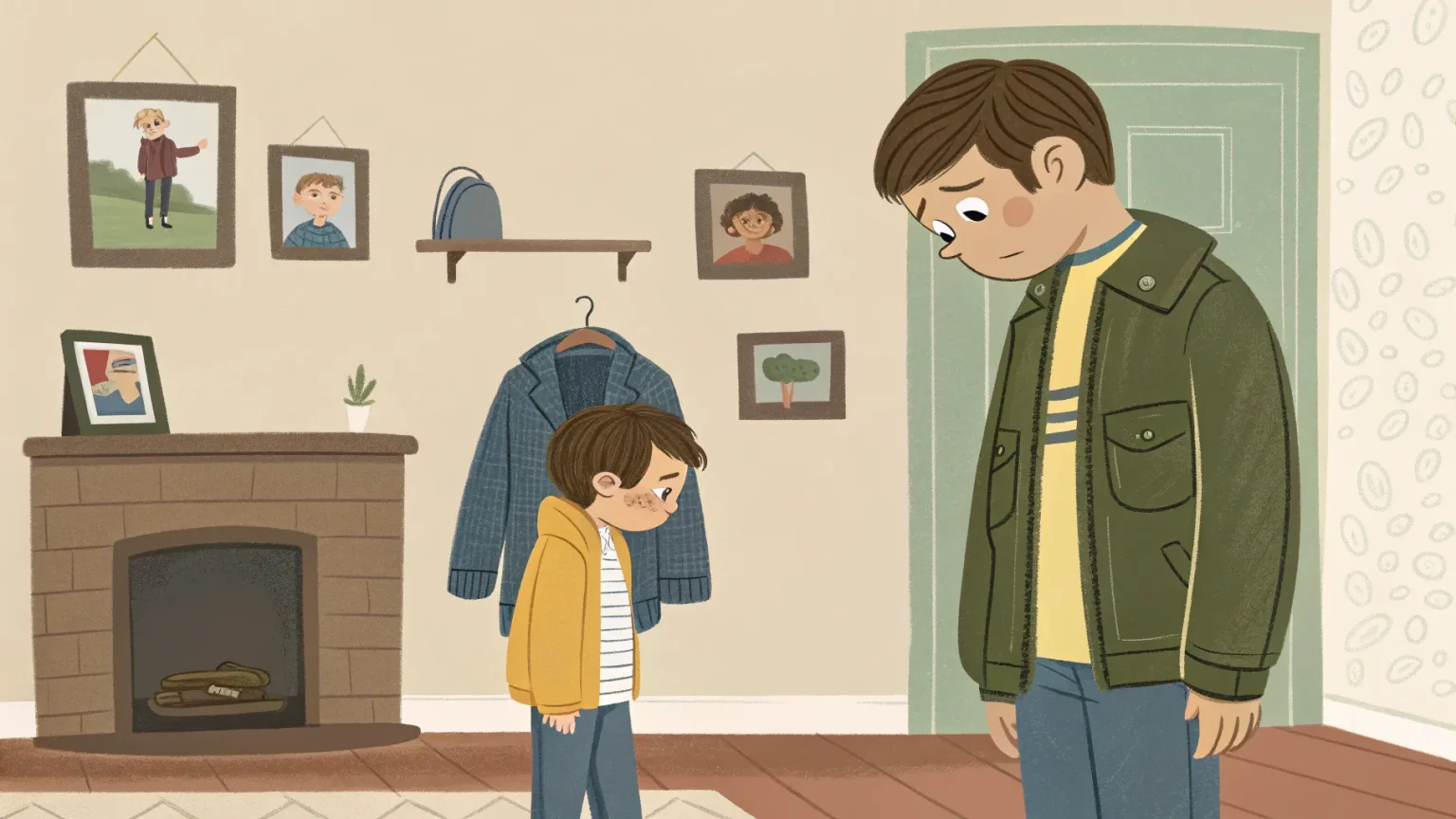
My father was my hero until I was 10 years old. That year, he forgot my birthday. When confronted, he simply said, “I don’t believe in birthdays.” It devastated me—not because I missed out on presents or celebration, but because I knew he was lying. He did believe in birthdays. That moment of dishonesty created a fracture in our relationship that would take decades to heal.
What hurt most was the growing realization that I was becoming just like him. At 30, my father warned me directly: “You’re just like me.” I dismissed his words, unwilling to see the truth in them. I was ambitious, driven, and focused on wealth accumulation above all else.
Then came a birthday gift that would eventually save me from myself—though I couldn’t see it at the time. My father gave me a jacket with no pockets. It was an unusual, seemingly useless present with a profound message: money doesn’t buy love or happiness. The jacket was meant to hang in my closet as a constant reminder that I was on track to become “the richest man in the cemetery.”
Rejecting the Mirror
When I received the pocketless jacket, I was initially thrilled. I thought, “Finally, he gets it. He’s giving me a proper gift.” The irony was crushing—he did get it. He understood exactly what I needed to hear. I was the one who didn’t get it.
My response was rage. I lashed out with venom: “F*** you. I hate you. You’re a liar, a cheater, a manipulator.” I rejected his gift and his wisdom because I wasn’t ready to face what it represented—a reflection of myself.
The truth is painful when we’re not prepared to acknowledge it. I couldn’t accept that the qualities I despised in my father were the same ones I was cultivating in myself:
- Prioritizing wealth over relationships
- Measuring success through material gain
- Neglecting the emotional needs of loved ones
- Building an empire while my personal life crumbled
It would take years before I could see the gift for what it truly was—not an insult, but an act of love from a father who didn’t want his son to repeat his mistakes.
View this post on Instagram
The Moment of Recognition
The turning point came when my wife began pointing out these same qualities in me. Initially, I was defensive, unwilling to hear criticism that echoed my father’s warnings. But then I saw that jacket hanging in my closet—unworn, pocketless, a silent reminder of a path I was determined not to follow yet somehow found myself on anyway.
That jacket became a powerful symbol in my life. When my wife told me I was becoming distant, prioritizing work over family, or measuring success purely in financial terms, I would look at that jacket and finally hear my father’s message: What good is wealth if you have no one to share it with?
The most profound lesson I’ve learned is that sometimes the people who frustrate us most are those who reflect our own shortcomings. I hated my father because he was a mirror showing me what I was becoming—and I didn’t like what I saw.
Breaking the Cycle
That pocketless jacket saved my life by forcing me to confront the values that were guiding my decisions. It helped me recognize that I was replicating patterns that had caused pain in my own childhood.
Today, I keep that jacket as one of my most treasured possessions. It reminds me that true wealth isn’t measured by what you can carry in your pockets but by the love you give and receive. It took me years to appreciate my father’s wisdom, but when I finally did, it transformed my approach to success, family, and happiness.
Sometimes the most meaningful gifts aren’t the ones we want—they’re the ones we need. My father’s pocketless jacket wasn’t a birthday present; it was a wake-up call that eventually led me to redefine what matters most in life.
Frequently Asked Questions
Q: How did your relationship with your father evolve after the jacket incident?
Our relationship took many more years to heal. The jacket was a turning point in my personal growth, but rebuilding trust with my father was a separate journey. Eventually, I was able to express gratitude for his wisdom, though it came too late for many of the conversations I wish we could have had.
Q: What specific changes did you make in your life after recognizing these patterns?
I began prioritizing time with family over work opportunities. I established boundaries around my availability and started measuring success by the quality of my relationships rather than financial milestones. Most importantly, I became more transparent with loved ones about my struggles and shortcomings.
Q: Do you still have the jacket without pockets?
Yes, I keep it in my closet to this day. While I never wear it, it serves as a daily reminder of the lesson my father tried to teach me. Sometimes I show it to people I mentor who are struggling with similar challenges of balancing ambition with personal fulfillment.
Q: How has this experience affected how you parent or mentor others?
I’ve learned that sometimes the most important lessons can’t be taught directly—they must be learned through experience. Rather than lecturing those I mentor, I try to create moments of reflection that allow them to recognize their own patterns. I’m also much more aware of how my actions, as well as my words, shape those around me.
Q: What would you say to someone who recognizes they’re repeating negative family patterns?
Recognition is the crucial first step that many never take. Be grateful for that awareness, even if it’s painful. Then find symbolic reminders—like my jacket—that can serve as pattern interrupts when you find yourself slipping into old behaviors. Finally, share your journey with trusted loved ones who can help hold you accountable to the person you want to become.


