

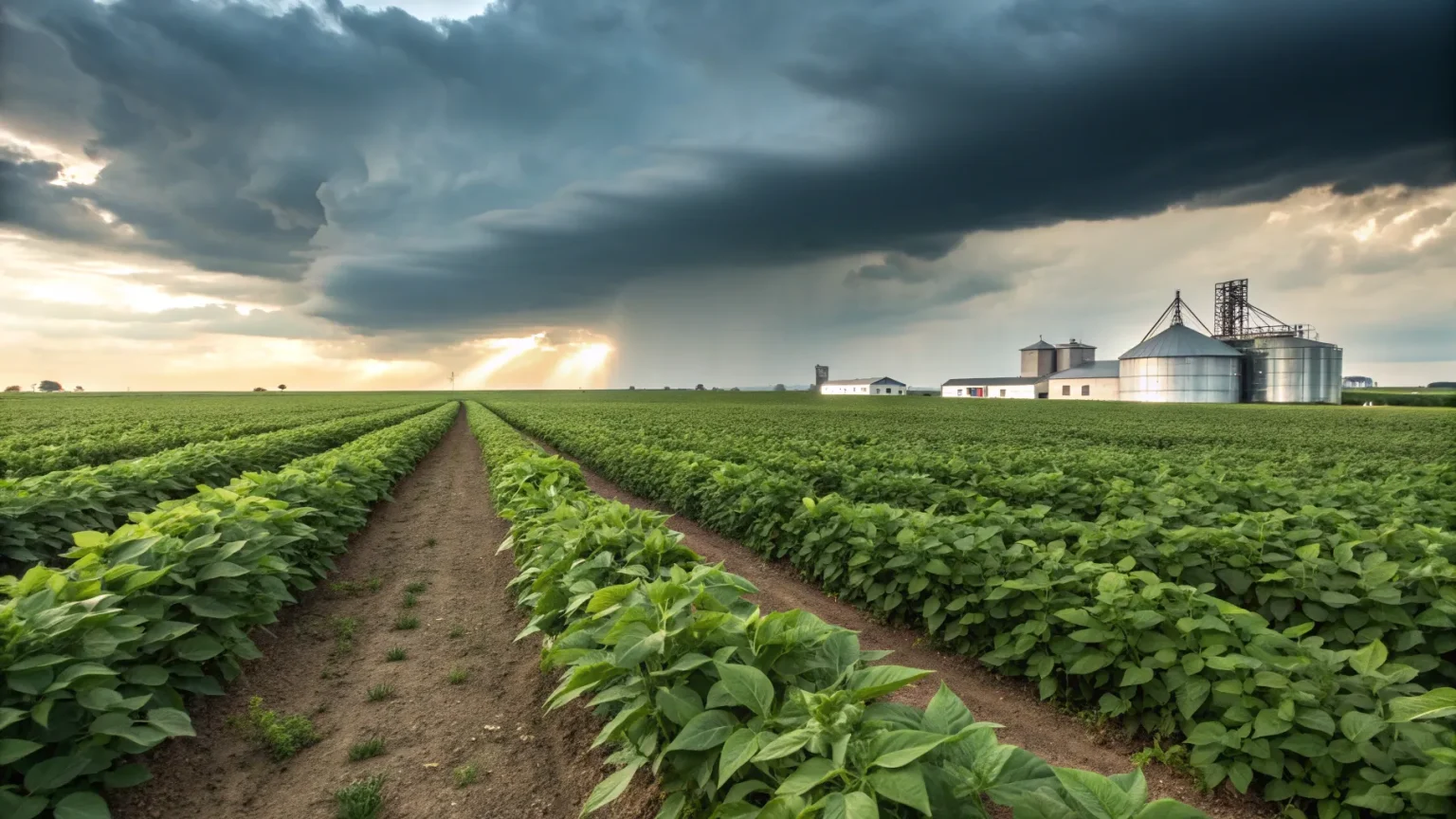
As erratic weather and supply disruptions squeeze food markets, a simple question frames a complex challenge: can science keep beans on the world’s tables. Beans are a key source of protein and income for millions. Researchers, farmers, and policymakers are looking for answers now, as heat, drought, and pests reduce yields and push prices higher.
“Can science solve the problem of a shortage of beans?”
The question is timely. Drought and floods have hit major producers in recent seasons. Conflicts and trade bottlenecks have also made shipments less reliable. Consumers in cities feel the strain through price spikes, while rural families face lower harvests and shrinking stocks.
Why Beans Matter
Beans provide affordable protein, fiber, and micronutrients. They are a daily staple across Africa, Latin America, and parts of Asia. They also help soils by fixing nitrogen, which can reduce the need for synthetic fertilizer.
Shortages carry wide social costs. When beans become scarce, poorer households cut protein intake or switch to less nutritious options. School feeding programs and food aid plans also face pressure.
Climate Pressures Strain Yields
Scientists say climate stress is the main threat. Heat during flowering can cut pod formation. Drought at the wrong time can shrink seed size and reduce harvests. Heavy rain can invite fungal diseases and root problems.
Pests and pathogens are spreading into new areas as temperatures rise. Farmers report more bean fly, bruchids, and rust in places that had fewer problems before. These shocks create unpredictable seasons and uneven harvests.
Breeding for Tougher Beans
Research groups are developing varieties that can handle heat and dry spells. Plant breeders cross common beans with hardy relatives to transfer traits like deeper roots or faster flowering. The goal is to protect yields when temperatures jump or rains arrive late.
Gene editing and marker-assisted selection can speed this work. These tools help identify useful genes and stack them in new lines. Early trials suggest heat-tolerant varieties can hold yields when fields are several degrees warmer. Drought-tolerant lines aim to produce more with less water.
Seed access is key. Without fast multiplication and fair pricing, new varieties do not reach smallholders. That often requires stronger public seed systems and partnerships with local dealers.
Beyond Seeds: Soil, Water, and Markets
Better seeds will not solve shortages alone. Agronomists point to simple steps that raise yields even in tough seasons.
- Soil health: Compost, cover crops, and proper rhizobia inoculation improve nutrient supply.
- Water management: Mulch and micro-irrigation reduce losses during dry spells.
- Integrated pest management: Resistant varieties, traps, and timely sprays cut losses.
- Storage: Hermetic bags and clean drying prevent post-harvest damage.
Market fixes matter as well. Clear import rules, steady public tenders, and transparent data can ease price shocks. Quick-release safety nets help keep beans affordable for poor families during lean months.
Costs, Choices, and Public Trust
Scaling science solutions takes money and time. Breeding programs need steady funding over years. Extension services must train farmers in new practices. Seed companies must see demand before they invest in local hubs.
Some consumers are wary of gene editing, even though it is different from older genetic methods. Researchers argue that each product should be assessed on safety and benefit. Public trials and open data can build trust.
Trade-offs will persist. Farmers want varieties that sell well and cook quickly, not only ones that endure heat. Nutrition groups want iron- and zinc-rich beans. Millers want uniform grain size. Breeders are trying to meet these needs at once.
What Success Could Look Like
Experts describe a practical path to fewer shortages. It starts with matching varieties to local conditions. It continues with training on soil and water practices that fit small plots. It adds storage and market steps that keep beans moving when weather turns bad.
Urban demand is rising, which could draw in private investment. Food companies are testing blended flours and ready-to-cook packs that use different bean types. That can create new markets for farmers who adopt climate-ready seeds.
The original question has no single answer. Science can cut risk, protect yields, and steady supplies. But it must work with policy, markets, and local knowledge.
In the near term, watch for new heat- and drought-tolerant releases, wider access to quality seed, and pilot projects that combine better agronomy with improved storage. If these steps align, bean shortages may ease, especially in regions hit hardest by erratic weather. If they stall, the next shock could return shortages and volatility. The stakes for nutrition and livelihoods remain high.


