

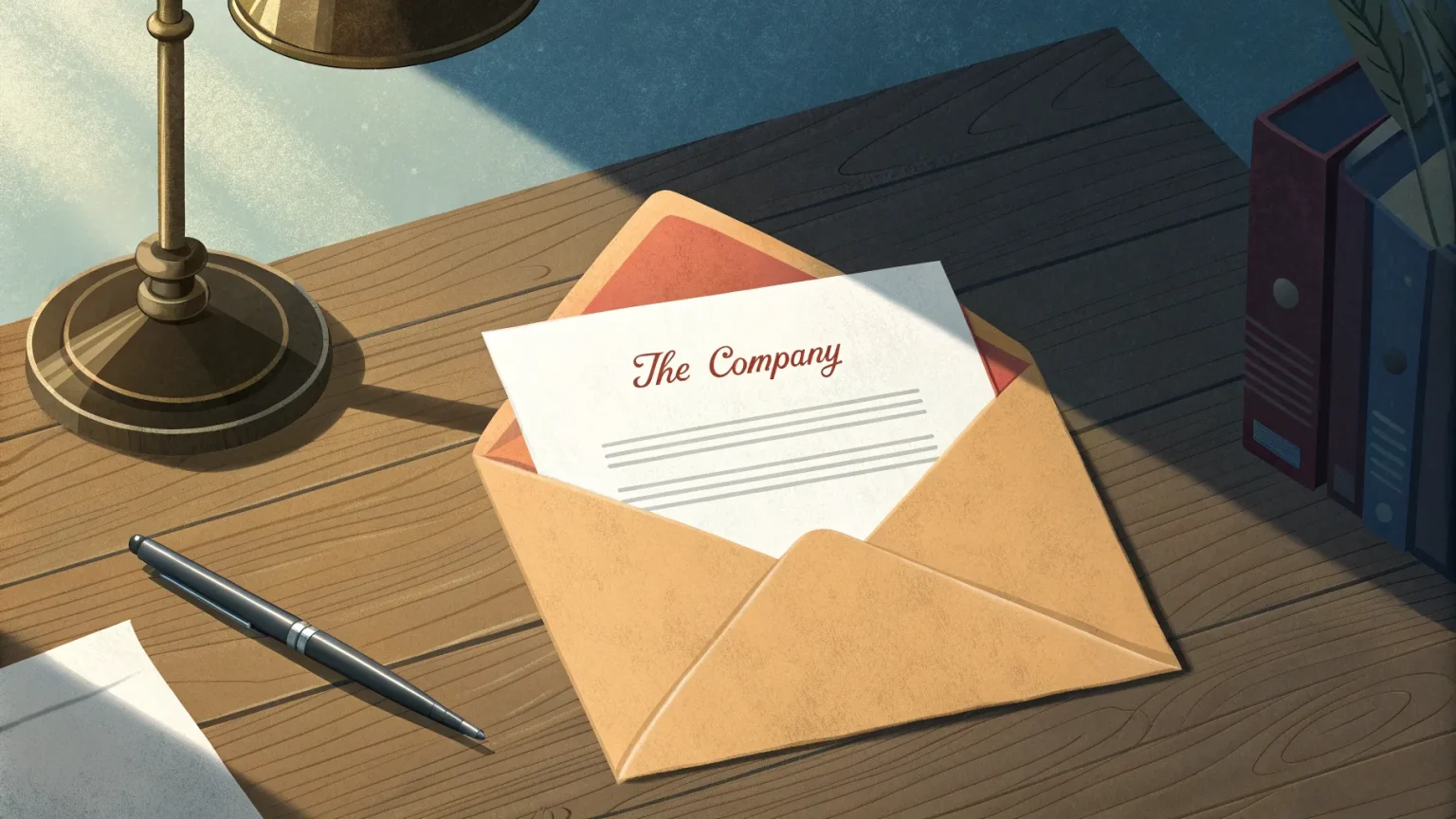
One of my biggest customer service pet peeves occurs when companies deliver negative news without a human signature. This happens constantly, especially with data breach notifications where businesses you’ve barely heard of send letters saying, “Oops, we exposed your Social Security number. Our bad.” And invariably, these messages are signed simply “The Company.”
Here’s the fundamental problem: companies can’t feel regret or apologize because they aren’t people. I don’t care what the Supreme Court says about corporate personhood—when it comes to customer communication, this approach fails completely.
Why Personal Accountability Matters
When organizations hide behind their corporate identity during crises, they’re avoiding responsibility at the most critical moment in their customer relationship. This practice signals to customers that no specific person is willing to stand behind the message or take ownership of the situation.
Consider how you feel when receiving bad news from a faceless entity versus from a real person. The difference is substantial. A human signature communicates:
- Someone specific is taking responsibility
- A real person acknowledges the impact on you
- The company values transparency enough to put a name behind its words
- There’s a pathway for follow-up questions or concerns
Without this personal touch, customers are left feeling as though they’re dealing with a corporate machine rather than people who genuinely care about making things right.
View this post on Instagram
Taking Ownership of Mistakes
I’ve observed this problem across industries and company sizes. Even major corporations with sophisticated customer experience programs make this fundamental error. They craft careful apologies and explanations, but then undermine everything by signing them “Customer Service Team” or simply the company name.
The solution is straightforward: anytime you deliver bad news to a customer, someone’s name should be attached to it. This doesn’t mean the CEO must sign every communication about service disruptions or mistakes. The signature can come from the head of the relevant department or the customer experience team.
Companies can’t regret things. They can’t apologize for things because they aren’t people.
What matters is that a human being stands behind the message and takes ownership of both the situation and the path forward. This approach transforms a cold corporate notification into a human conversation about solving a problem.
Building Trust Through Transparency
When mistakes happen—and they will—how you communicate about them often matters more than the mistake itself. Customers understand that errors occur, but they’re watching closely to see how you handle them.
Adding a human signature to difficult communications demonstrates:
- Courage to face problems directly
- Respect for customers’ concerns
- Commitment to transparent communication
- Willingness to be accountable
These qualities build trust even in challenging situations. I’ve seen companies turn potential customer service disasters into relationship-strengthening opportunities simply by handling communication with personal accountability.
The next time your organization needs to deliver unwelcome news to customers, remember that how you sign that message speaks volumes. Don’t hide behind the corporate entity—put a name on it, take ownership, and show customers they’re dealing with responsible humans who care about making things right.
This simple change costs nothing to implement but dramatically improves how your message is received. In customer service, accountability isn’t just about accepting blame—it’s about showing customers they matter enough for someone to stand behind the company’s words personally.


