
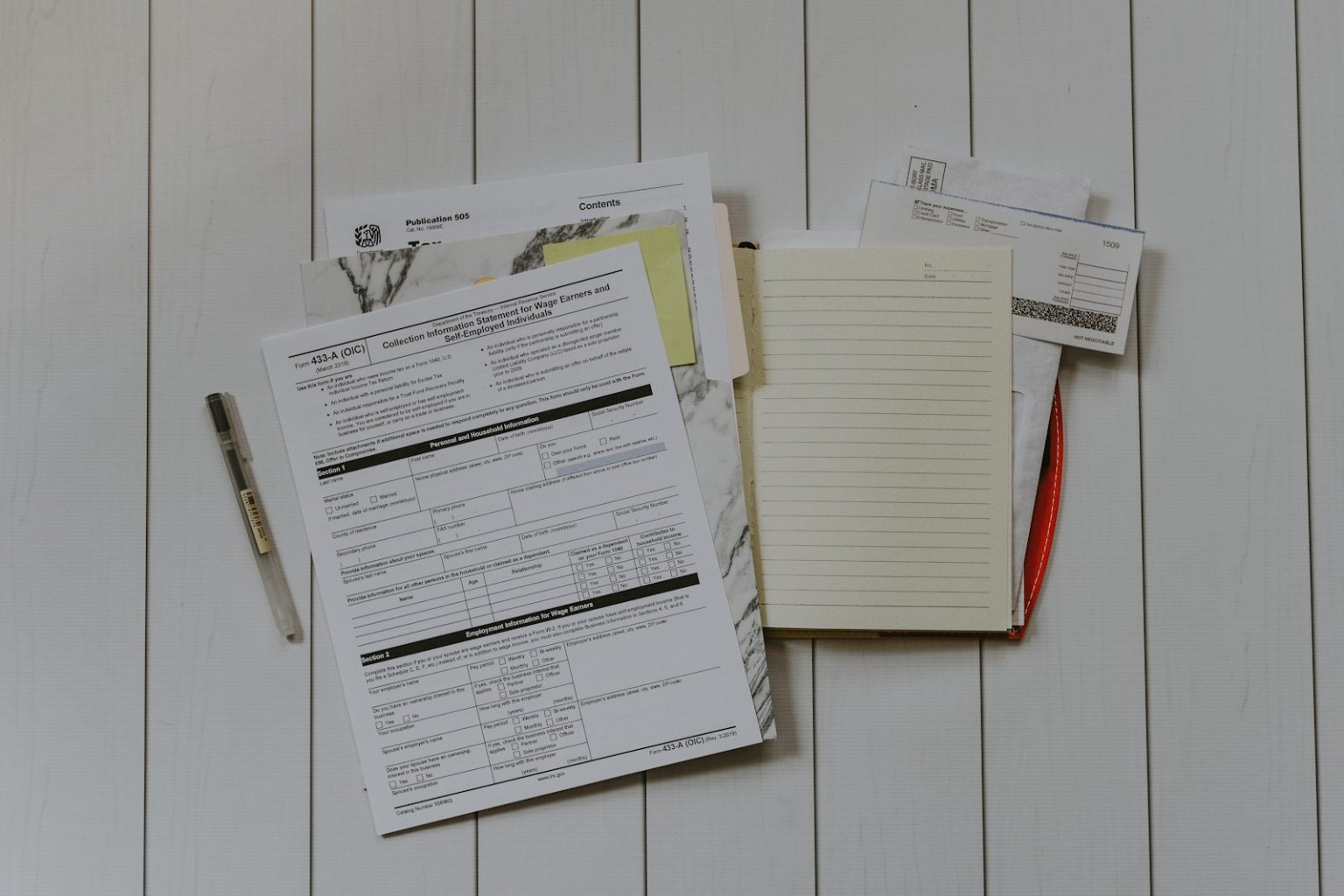
I have long considered Washington one of the most tax-friendly states in the country for self-employed professionals, and for good reason. Washington has no state income tax, which means your self-employment earnings are not subject to the kind of state-level bite that freelancers in California, New York, or Vermont face. That said, Washington’s tax landscape is not as simple as “no income tax, no worries.” The state’s Business and Occupation tax, its evolving capital gains tax, and local taxes in cities like Seattle all require attention. I have worked with independent contractors and freelancers throughout the Puget Sound region and across eastern Washington, and the ones who do best are those who understand exactly which taxes apply to them and which do not.
Self Employment Tax Calculator
[elementor-template id=”75106″]
What Is Self-Employment Tax in Washington?
Self-employment tax is the federal tax that funds Social Security and Medicare for individuals who work for themselves. As a self-employed person in Washington, you are responsible for paying the full 15.3% yourself, since there is no employer to split the cost with. This breaks down into 12.4% for Social Security and 2.9% for Medicare.
The Social Security portion applies to your net self-employment earnings up to the annual wage base, which is $176,100 for 2025 and $184,500 for 2026. Earnings above that threshold are not subject to the Social Security tax. The 2.9% Medicare tax applies to all net self-employment income with no cap. If your net earnings exceed $200,000 as a single filer or $250,000 filing jointly, an additional 0.9% Medicare surtax applies to income above those amounts.
You can deduct the employer-equivalent portion of your self-employment tax, 7.65%, from your adjusted gross income on your federal return. This above-the-line deduction is available whether you itemize or take the standard deduction. You must pay self-employment tax if your net self-employment earnings reach $400 or more in a tax year.
Because Washington has no state income tax, your self-employment income is not taxed at the state level in the same way it would be in most other states. This is a significant advantage that effectively saves Washington freelancers thousands of dollars annually compared to their counterparts in income-tax states.
Washington’s Tax Landscape for the Self-Employed
No State Income Tax
Washington is one of nine states that does not levy a personal income tax. This means that your self-employment earnings, whether $50,000 or $500,000, are not subject to any state income tax. You will not file a state income tax return for your self-employment income, and you do not need to make state estimated income tax payments. This simplifies your tax obligations considerably and provides a meaningful financial advantage over states with income tax rates ranging from 3% to 13%.
Business and Occupation (B&O) Tax
While Washington does not tax your income, it does impose a Business and Occupation tax on the gross receipts of businesses operating in the state. The B&O tax is not based on profit; it is calculated on your total gross revenue before expenses are deducted. This is an important distinction because even if your business has thin margins, you still owe B&O tax on every dollar of revenue.
The B&O tax rate varies by business classification. For most self-employed service providers such as consultants, designers, writers, and other professional services, the rate is 1.5% of gross receipts. Retailing activities are taxed at 0.471%, and manufacturing at 0.484%. There is a small business credit that effectively exempts the first portion of your B&O tax liability, which as of 2025 provides relief for businesses with taxable income below certain thresholds.
| Business Classification | B&O Tax Rate |
|---|---|
| Service & Other Activities | 1.50% |
| Retailing | 0.471% |
| Manufacturing | 0.484% |
| Wholesaling | 0.484% |
If you are a freelancer earning $100,000 in gross revenue from service work, your B&O tax liability before any credits would be approximately $1,500. While this is far less than what you would owe in state income tax in most other states, it is still a cost that Washington freelancers need to factor into their pricing and budgeting.
Capital Gains Tax
Washington introduced a capital gains tax that applies to long-term gains from the sale of stocks, bonds, and other capital assets. For tax year 2025, a tiered rate structure applies: gains over certain thresholds are taxed at 7%, with a higher 9.9% rate applying to gains exceeding $1 million. Real estate sales and retirement account distributions are exempt. While this tax does not directly affect most freelancers’ day-to-day self-employment income, it is relevant if you sell investments or business assets at a gain.
Local Business Taxes
Several Washington cities impose their own business taxes on top of the state B&O tax. Seattle is the most notable example, with its own B&O tax that applies to businesses operating within city limits. The Seattle B&O tax has different rates depending on your business activity and must be filed separately from your state B&O tax. If you work from home in Seattle, your self-employment income is generally subject to the Seattle B&O tax. Other cities like Tacoma and Bellingham also levy their own business taxes, so it is important to check the requirements for your specific municipality.
How to File Self-Employment Taxes in Washington
Filing self-employment taxes in Washington is simpler than in most states because there is no state income tax return to prepare. Your filing obligations are primarily federal, with the addition of Washington’s B&O tax filing.
On the federal side, you report your business income and expenses on Schedule C (Form 1040), which calculates your net profit. That net profit flows to Schedule SE for the self-employment tax computation. The deductible half of your SE tax is subtracted from your adjusted gross income on your Form 1040.
For Washington’s B&O tax, you file through the Department of Revenue’s online system. Filing frequency depends on your revenue level: businesses with lower revenue may file annually, while those with higher revenue typically file quarterly or monthly. You register for a Washington State business license through the Business Licensing Service, which generates your Unified Business Identifier (UBI) number used for all state tax filings.
Clients who paid you $600 or more during the year should provide a Form 1099-NEC. You are responsible for reporting all self-employment income on your federal return regardless of whether you received a 1099.
One common mistake Washington freelancers make is assuming that the absence of a state income tax means they have no state tax obligations at all. The B&O tax catches many new freelancers off guard, particularly because it is based on gross receipts rather than net profit. Even if you had a break-even year after expenses, you still owe B&O tax on your total revenue.
Quarterly Estimated Tax Payments
Because Washington has no state income tax, your quarterly estimated payments are limited to federal obligations. The IRS requires estimated payments if you expect to owe $1,000 or more in federal tax. The quarterly due dates are:
| Payment Period | Due Date |
|---|---|
| January 1 – March 31 | April 15 |
| April 1 – May 31 | June 15 |
| June 1 – August 31 | September 15 |
| September 1 – December 31 | January 15 of the following year |
To calculate your quarterly payment, estimate your total annual net self-employment income, apply the 15.3% SE tax rate, add your expected federal income tax, and divide by four. The safe harbor method of paying at least 100% of your prior year’s total federal tax liability (or 110% if your AGI exceeded $150,000) protects you from underpayment penalties.
While you do not make state income tax estimated payments, keep in mind that your Washington B&O tax may be due quarterly depending on your filing frequency. Check your filing requirements with the Department of Revenue to ensure you are filing on the correct schedule.
Tax Deductions for Washington’s Self-Employed
Even without state income tax, federal deductions remain important for reducing your self-employment tax burden. The 50% self-employment tax deduction automatically reduces your federal AGI. For someone earning $100,000 in net self-employment income, this deduction alone saves over $7,650 from your taxable income.
The home office deduction provides either a simplified deduction of $5 per square foot up to 300 square feet for a maximum of $1,500, or the actual expense method that calculates the business-use percentage of your home and applies it to housing costs. In Washington’s expensive housing markets like Seattle and Bellevue, the actual expense method often produces a substantially larger deduction.
Health insurance premiums for medical, dental, vision, and long-term care are deductible from your federal AGI if you are self-employed. Retirement contributions to a SEP-IRA (up to 25% of net self-employment earnings) or Solo 401(k) reduce your taxable income dollar for dollar. Business expenses including software, advertising, supplies, travel, and professional fees are all deductible on Schedule C. Vehicle mileage is deductible at 70 cents per mile for 2025.
One deduction consideration unique to Washington is that the B&O tax you pay is a deductible business expense on your federal Schedule C. This reduces your net self-employment income, which in turn reduces both your federal income tax and your self-employment tax.
| Deduction Category | Details |
|---|---|
| Self-Employment Tax Deduction | 50% of SE tax, reduces federal AGI |
| Home Office | Simplified: $5/sq ft (max $1,500) or actual expenses |
| Health Insurance Premiums | Medical, dental, vision, long-term care |
| Retirement Contributions | SEP-IRA (up to 25% of net SE income), Solo 401(k) |
| Business Expenses | Supplies, software, advertising, professional fees |
| Vehicle/Mileage | 70 cents/mile (2025) or actual vehicle expenses |
| B&O Tax Paid | Deductible as a business expense on Schedule C |
Avoiding Common Pitfalls
Overlooking the B&O Tax
The most frequent mistake Washington freelancers make is ignoring the state B&O tax entirely. Many self-employed individuals move to Washington attracted by the absence of income tax and assume they have no state tax filing requirements. The B&O tax applies to virtually all business activity in the state, and failing to register and file can result in back taxes, penalties, and interest when the Department of Revenue eventually identifies you through federal cross-referencing or other means.
Confusing Gross Receipts with Net Income
Because the B&O tax is based on gross receipts rather than net profit, some freelancers are surprised by the amount they owe. If you earn $200,000 in gross revenue but have $80,000 in expenses, your B&O tax is calculated on the full $200,000, not on your $120,000 net profit. Understanding this distinction is critical for accurate budgeting and pricing your services appropriately.
Not Registering for a Business License
Washington requires virtually all businesses, including sole proprietors, to register for a state business license. This registration is done through the Department of Revenue and generates your UBI number. Operating without a business license exposes you to penalties and makes it impossible to file your B&O tax returns properly. Registration is straightforward and can be completed online.
Final Thoughts on Self-Employment Tax in Washington
Washington’s absence of a state income tax provides a genuine competitive advantage for self-employed professionals. Your primary tax obligations are the 15.3% federal self-employment tax, federal income tax, and Washington’s B&O tax on gross receipts. By maximizing your federal deductions, making timely estimated payments, and properly accounting for the B&O tax, you can keep your overall tax burden well below what freelancers pay in most other states. If your self-employment revenue exceeds $100,000 or you operate in a city with its own local business tax, working with a tax professional familiar with Washington’s unique tax structure will help ensure you are compliant and not paying more than necessary.
Frequently Asked Questions
Does Washington have a state income tax on self-employment income?
No. Washington does not have a personal income tax, so your self-employment earnings are not subject to state income tax. However, you still owe federal self-employment tax at 15.3% and may owe Washington’s Business and Occupation (B&O) tax on your gross business receipts.
What is the Washington B&O tax and does it apply to freelancers?
The Business and Occupation tax is Washington’s primary business tax. It is based on gross receipts, not net profit. For most service-based freelancers and consultants, the rate is 1.5% of gross revenue. A small business credit may reduce or eliminate the tax for lower-revenue businesses.
When are quarterly estimated tax payments due for Washington freelancers?
Federal estimated payments are due on April 15, June 15, September 15, and January 15 of the following year. Since Washington has no state income tax, you do not make state estimated income tax payments. However, your B&O tax may be due quarterly depending on your filing frequency.
What deductions can I claim as a self-employed person in Washington?
You can deduct 50% of your self-employment tax, health insurance premiums, home office expenses, retirement contributions to a SEP-IRA or Solo 401(k), vehicle mileage at 70 cents per mile for 2025, ordinary business expenses, and the B&O tax you pay to Washington state. These deductions reduce your federal taxable income.
Do I need a Washington business license to freelance?
Yes. Washington requires virtually all businesses, including sole proprietors, to register for a state business license through the Department of Revenue. This generates your Unified Business Identifier (UBI) number, which is used for all state tax filings including the B&O tax.
What forms do I need to file self-employment taxes in Washington?
At the federal level, you need Schedule C (business income and expenses), Schedule SE (self-employment tax calculation), and Form 1040. There is no Washington state income tax return. You file your B&O tax through the Department of Revenue’s online system. For federal estimated payments, use Form 1040-ES.