

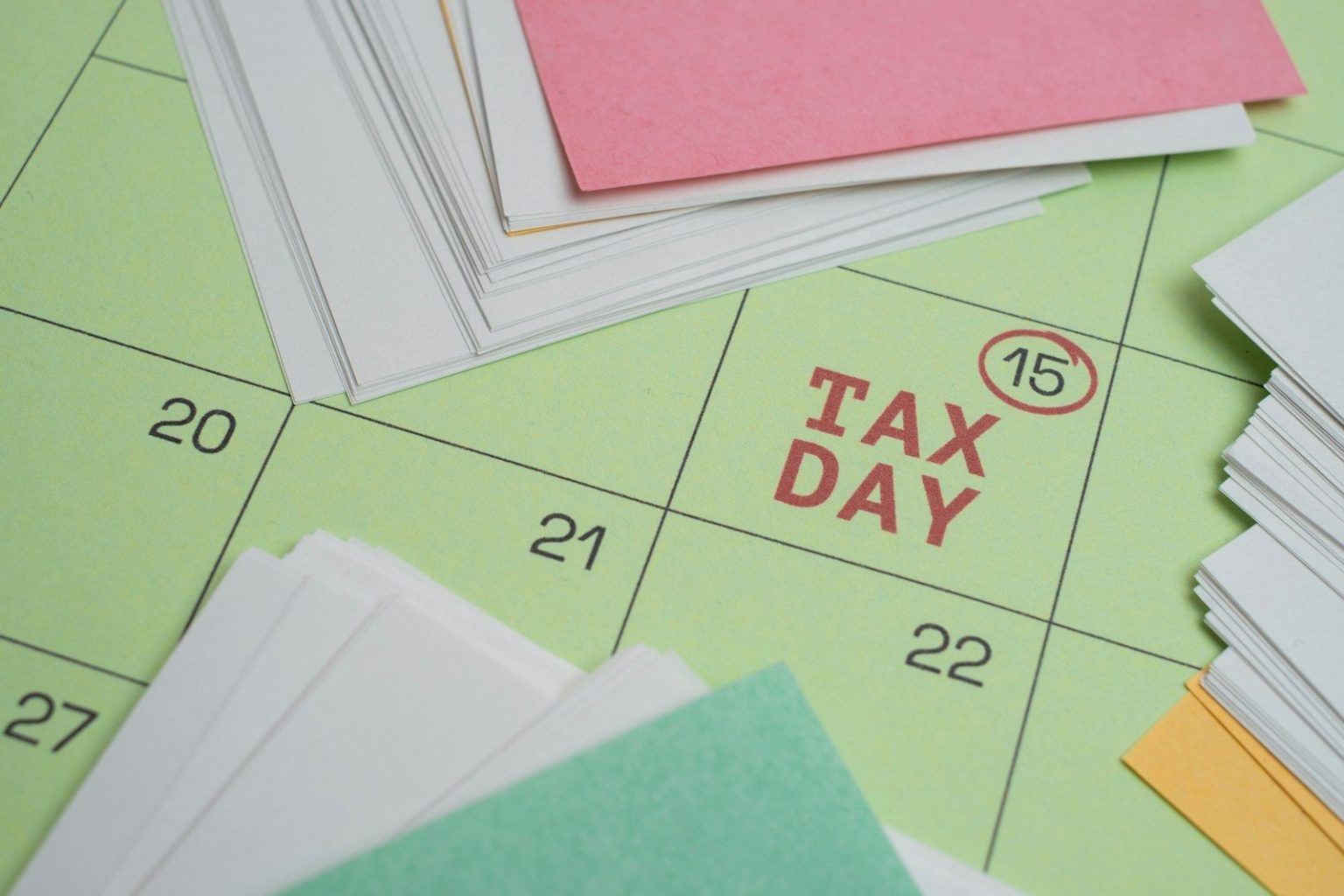
London Business News reported on November 4 that UK Budget plans could make self-employed people pay tax more often. Payments could become more frequent from 2029, compared with today’s twice-yearly schedule.
US freelancers already pay estimated tax each quarter. The UK debate still applies to every solo worker with uneven income.
What The Plan Actually Does
Anyone who files a Self Assessment return would be affected by the proposed changes. Currently, self-employed taxpayers generally pay their tax bill in two installments during the year, with a final adjustment in January if additional tax is due. The reform would bring those receipts forward, enabling the Treasury to collect more tax revenue earlier.
Although the report stops short of explaining the practical details of the new framework, it does include estimates of the expected fiscal impact. Treasury forecasts indicate the measure would raise an extra £1.3 billion in 2029, followed by gains of £1.6 billion and £1.8 billion in the subsequent two tax years. The figures underscore the value policymakers place on a steadier, more predictable flow of income to public finances.
Why This Matters For Self-Employed Workers
Tax specialist Qdos warned that fluctuating income makes it hard to make frequent payments. Its chief executive, Seb Maley, said that expecting payment throughout the year “risks creating a cash flow nightmare” for people with changing earnings. He also pointed out that self-employed workers lack a guaranteed monthly paycheck.
Late client payments make the problem worse. Salaried staff get a predictable check, while solo workers cover tax bills, operating costs, and household spending from irregular receipts. A tighter tax schedule leaves less room for a delayed invoice or a slow season.
Maley also said the idea clashes with the message of the Chancellor’s Budget speech the week before. He argues that sounding sensible on paper differs from real-world work. Qdos wants the government to publish the finer details before it commits.
What Self-Employed Readers Should Do Next
Set aside a fixed share of every payment on the day it lands. Many freelancers keep a separate savings account just for taxes. That habit works under any schedule, in any country.
US readers can pair it with the quarterly rhythm they already know. Our coverage of the IRS Direct Pay push before the estimated tax deadline explains a fast, free way to pay. UK freelancers should also start tracking income monthly so a future schedule doesn’t catch them off guard.
If you work with UK clients, build a buffer equal to at least one quarter of expected tax. A cushion like that absorbs a late invoice without forcing you onto a credit card.
What To Watch Next
The government has not set a final timetable, and the report cites no statement from HMRC. Watch for a consultation that spells out how often payments would fall due. Details will decide whether the change helps or hurts.
Pay attention to any carve-outs for irregular earners. Maley said the sector needs to see the finer details before anyone can judge the plan. Freelancers outside the UK should watch too, because tax agencies often copy a model once a peer country tests it.
Treat the plan as a proposal, not law. Current dates stay in place until any change arrives, so January and July payments on account still apply today. Mark your calendar for any consultation and read the details before you change your habits.
Photo by Vitalii Abakumov: UnSplash


