

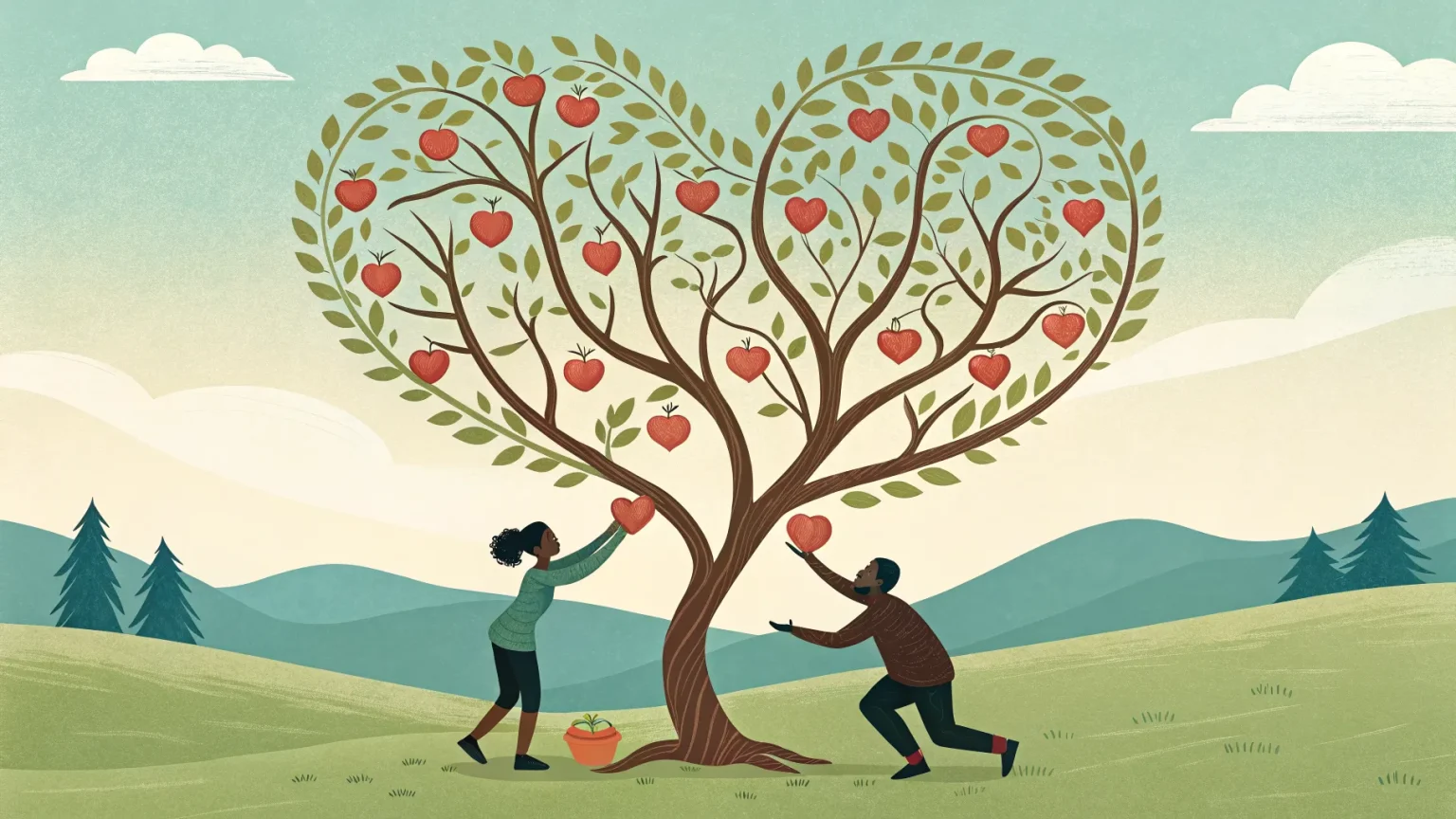
The greatest gift we can offer isn’t a check or a speech. It’s permission. Allowing someone the chance to help you is a powerful act of trust and humility. That single choice sparks real connection and creates more of what matters.
Here’s my stance: love, kindness, and forgiveness expand as we share them—money does not. Money follows human rules, not universal ones. Confusing the two leads to disappointment and bad decisions.
“The greatest gift that we can give is to allow someone else the opportunity to be able and capable of helping you.”
What multiplies—and what doesn’t
Gratitude, grace, and mercy grow with use. They build trust and open doors. I see it again and again in coaching, business, and family life. The more I pour those into people, the more shows up for me in return.
“The more love I give, the more I receive. The more kindness I give, the more I receive.”
But let’s be clear. Giving dollars does not guarantee dollars back. Treating money like a magic boomerang is a setup. It is as silly as thinking if you hand out cups, cups will rain down on you.
“It’d be the same as me telling you, the more cups you give away, the more cups you’re going to receive.”
Money is a tool we created. It is not infinite. It responds to value, timing, strategy, demand, and behavior. Love and kindness obey different rules. Mixing the two creates spiritual guilt and financial messes.

A better way to give—and grow
Generosity is still smart business and a rich life. But it needs clarity. Give love to grow love. Give money to solve problems, build capacity, and signal priorities. Expect different returns from each stream.
- Emotional giving: Share time, attention, and encouragement. Expect stronger bonds and deeper trust.
- Financial giving: Support causes, invest in people, and fund ideas. Expect impact, accountability, and measurable outcomes.
- Reciprocity: Ask for help. Let others step up. Expect learning and shared success.
When we confuse these, we suffer. Some folks donate cash and then wait for a windfall. When it doesn’t arrive, faith takes the blame. The issue isn’t faith; it’s a faulty model.
Here’s the fix: Use love for expansion. Use money with intention. Track results without shame. Let your heart set the direction and your head steer the plan.
Addressing the pushback
Some say, “But every time I give, I get a job lead,” or “My revenue grows after I donate.” I’ve seen that too. The cause often isn’t mystical. Giving builds reputation and access. It expands your network and your skill at spotting chances. That’s real and worth cheering. But it’s not automatic or owed.
Others argue that belief alone brings money. Faith is fuel, not a business model. Purpose powers action, and action creates opportunities. Still, the math must work. Prices, pipelines, and partnerships matter.
Let’s stop over-spiritualizing money. Money is a scoreboard, not a deity. Use it to keep track, not to keep score of your worth.
What I want you to try
This is simple and strong. Try it for 30 days and watch what shifts.
- Ask for help three times a day. Let people feel useful.
- Give one act of kindness daily with no strings.
- Audit your giving: love bucket vs. money bucket.
- Attach clear outcomes to financial gifts and investments.
- Review weekly: what grew, what changed, what to adjust.
When we allow others to help, we become better receivers. When we give love, we get more love. When we give money, we should expect impact, not miracles. That’s maturity.
“This is a man-made construct. It is not an infinite.”
Let’s honor both worlds. Keep your heart generous and your books honest. That is how purpose and profit can walk together without tripping each other.
Final thought: Lead with love, plan with numbers, and invite help. The return on that mix is steady, sane, and deeply human.
Frequently Asked Questions
Q: How do I know if my giving is helping or just depleting me?
Track two ledgers: impact and energy. If your love grows but your stress spikes, adjust scope. If money goes out, set an outcome and timeline.
Q: Is it wrong to expect business benefits from generosity?
No. Expect reputation and relationships. Just don’t confuse goodwill with guaranteed revenue. Align giving with clear goals and measure results.
Q: How can I ask for help without feeling weak?
Frame it as an invitation. Share a specific need and a small next step. Let people win with you. That builds trust on both sides.
Q: What’s a smart way to structure financial donations?
Pick causes that match your values. Define outcomes, checkpoints, and reporting. Treat it like an investment in change, not a wish.
Q: Can faith and finance work together?
Yes. Let faith guide your purpose and resilience. Let finance guide pricing, timing, and risk. Heart sets the why; strategy sets the how.


