

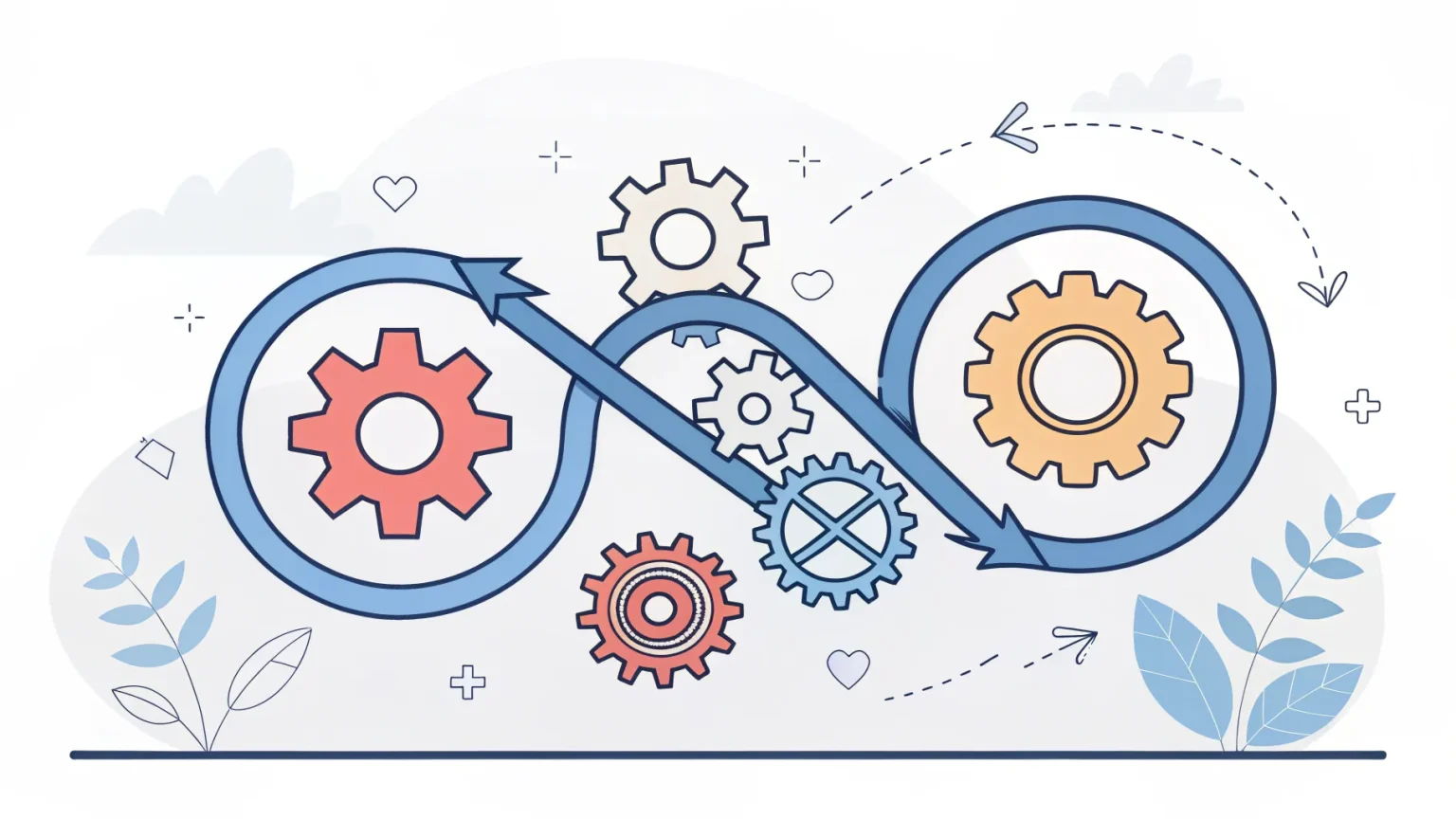
Quarter two is when most teams push harder. More tools. More projects. More dashboards. I chose a different path. I cut what wasn’t aligned and simplified how we work. My stance is clear: growth comes from connection, not accumulation. If a system doesn’t talk to the rest, it slows you down.
Why subtraction scales
We didn’t have a tool problem. We had a systems problem. For years, new platforms promised speed. What we got was drag. More logins, more handoffs, more time managing work instead of doing it. That is how momentum leaks. The team turns into the glue, and people become the integration layer. That’s where progress stalls.
“We didn’t have a tool problem. We had a systems problem.”
“Fewer tools, less noise, more clarity, more momentum.”
I’ve seen this pattern across companies, athletes, and startups I coach. Complexity looks impressive on a slide. But it hides confusion. The real edge is alignment. The fastest teams run on fewer systems that actually connect.

What we cut and what we kept
This quarter, we didn’t add anything. We removed what wasn’t aligned, then doubled down on tools that connect data, workflows, and people in one place. Platforms like HubSpot can do this well when used as a true system, not another checkbox.
- Cut: Single-use apps that created extra handoffs.
- Cut: Reports no one acted on within 48 hours.
- Kept: One source of truth for contacts, deals, and content.
- Kept: Automations tied to outcomes, not vanity alerts.
The goal wasn’t minimalism for style. It was speed and signal. When everything connects, you see what matters and move faster with less effort.
Answering the pushback
Some will argue that more tools equal more capability. That sounds right until you measure the hidden cost: context switching, duplicate data, and manual stitching. If your people are doing what software should, you’re paying twice.
Another concern: what about feature gaps? Gaps are real, but most teams use a fraction of what they already have. Close the usage gap before you chase a feature gap. Mastery beats novelty.
What changed after we cut
Momentum showed up quickly. Decision time dropped. Meetings got shorter. Projects moved in a single flow instead of bouncing across platforms. The team stopped playing traffic cop. That’s the point. Systems should carry the weight so people can create, sell, and serve.
“The fastest way to grow isn’t by doing more, it’s by aligning what already exists.”
How to start this quarter
You don’t need a massive overhaul. You need a practical reset that restores flow.
- Map your customer journey on one page. Mark every tool that touches it.
- Kill anything that doesn’t push the journey forward within two clicks.
- Choose a primary system to host core data and workflows.
- Automate only what you can measure to revenue, retention, or response time.
- Set a 90-day “no new tools” rule. Fix flow first.
Each step reduces noise. With less noise, the right signals stand out. That’s where growth lives.
My take as a coach and operator
I’ve led teams through booms and resets. The pattern is clear: alignment compounds, excess subtracts. Winning isn’t about how much you add. It’s about how clean your system is. Tools are only as smart as the system they serve.
If you want speed this quarter, stop stacking. Start aligning. Cut what doesn’t connect. Invest in the few systems that make everything else easier. That’s how you build real momentum, the kind you can feel day to day and measure week to week.
Frequently Asked Questions
Q: How do I know if my team has a systems problem, not a tool problem?
Look for symptoms: frequent handoffs, repeated data entry, long onboarding for simple tasks, and meetings spent reconciling reports. If people are the “glue,” the system is broken.
Q: What should be my single source of truth?
Pick the platform that holds your core customer and revenue data, then connect content and workflows to it. Many teams use a CRM for this role.
Q: How many tools are too many?
The right number is the fewest that deliver the full journey without manual stitching. If two tools duplicate data or alerts, consolidate.
Q: Won’t cutting tools slow innovation?
It speeds it up. Fewer systems mean faster learning loops, cleaner data, and more time building and selling instead of reconciling and routing.
Q: How long should a “no new tools” period last?
Run it for 90 days. Use that window to streamline process, raise usage of current systems, and prove gains in response time, pipeline health, and revenue.


