

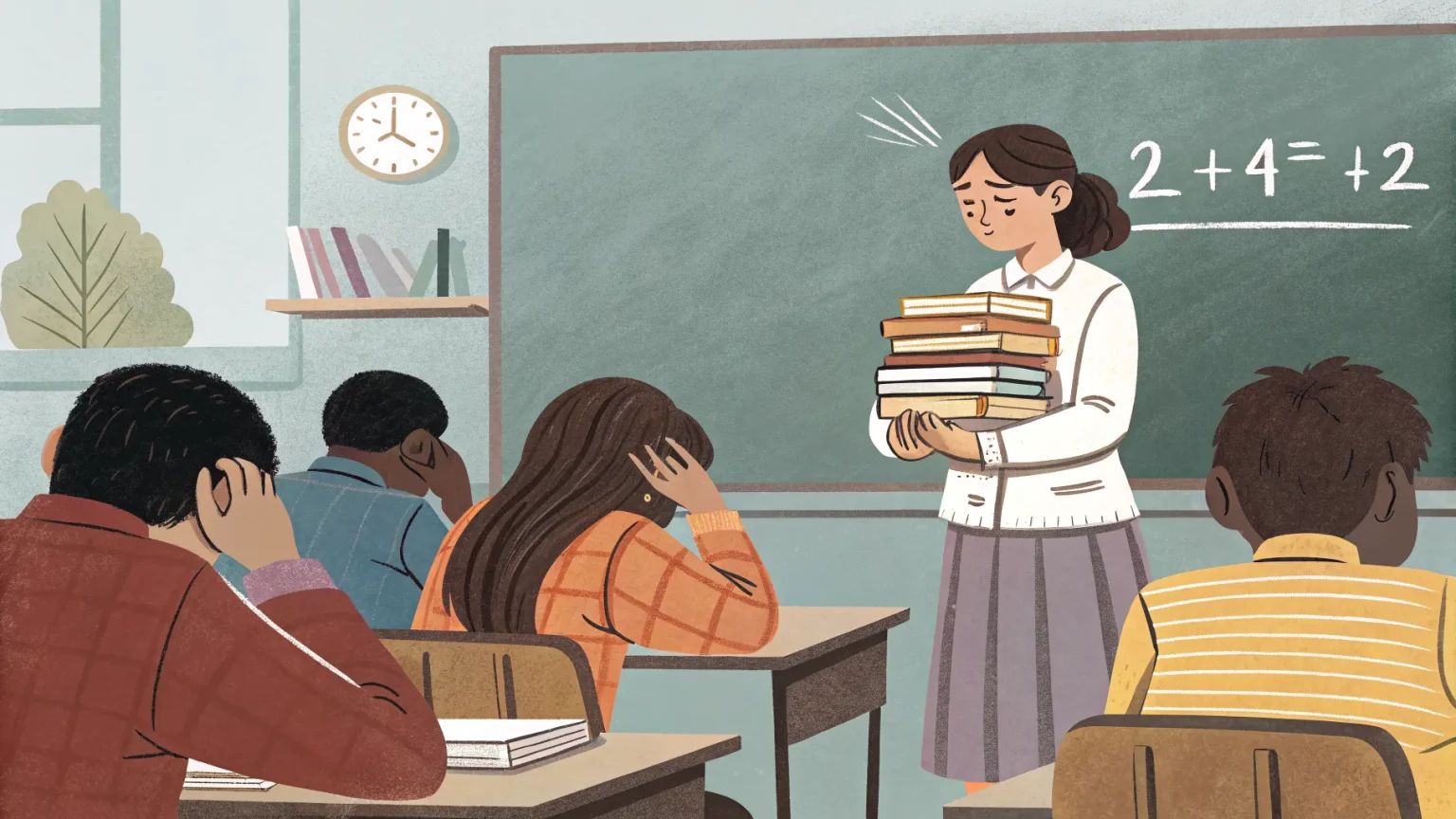
I’ve spent my life helping business owners build wealth, and I hit multimillionaire status by twenty-six. My work exposed what helps people win with money, and what doesn’t. Here’s the hard truth: putting “money class” into schools sounds helpful, but it sets kids up to lose. The system isn’t built to teach money well. It creates the wrong habits, the wrong beliefs, and the wrong incentives.
Financial education belongs at home and in the marketplace, not in classrooms. That’s my stance. Not because teachers are bad people—they’re heroes under pressure. It’s because schools are the wrong place to install money beliefs that shape a lifetime.
“They’ve done studies. When kids are taught money in schools, they’re worse off than not being taught.”
The Problem Isn’t Teachers—It’s The System
Great teachers already carry heavy loads. Standards, testing, packed classrooms. Now add budgeting, investing, risk, taxes, and behavior around money. That’s not fair to them or to kids. The result is watered-down lessons that sound safe but hurt long-term outcomes.
“Teachers are pretty amazing, but they have so much pressure.”
Bad money lessons are worse than no lessons. If kids get taught to fear debt across the board, they miss smart leverage. If they get told to “just save and hope,” they lose decades to inflation and fees. If they learn that high grades equal high pay, they ignore value creation, relationships, and real-world problem solving—the actual drivers of wealth.

Classrooms Reward Compliance, Not Creation
Wealth grows from creativity, service, and collaboration. Schools reward memorization and avoiding mistakes. That’s not how money works. Money rewards risk that’s understood, relationships that are nurtured, and value that’s delivered. A one-size-fits-all curriculum trains kids to outsource thinking and trust institutions. That’s dangerous with money.
“It would ruin our lives because the kids would be indoctrinated by socialists on what to do with money.”
Harsh? Maybe. But look at the messages likely to show up in a standardized “money class”: save, obey, do what experts say, don’t question. That script serves banks, not kids. It turns wealth into a checklist, not a practice. And when advice comes from people who don’t build wealth themselves, kids pay the price.
“Have you seen how bad financial planners are at teaching money? And now we’re going to put that in teacher’s hands.”
What Actually Works
Money is behavior first, math second. Kids need direct experience and guidance from people who create value, not just talk about it. They need to see entrepreneurship, cash flow, and responsible ownership up close.
- Start a simple family business: mowing lawns, selling art, or tutoring.
- Pay kids for results, not chores—profit shares beat allowances.
- Teach value creation: ask, “How can we help someone this week?”
- Do weekly money meetings at home: cash flow in, cash flow out, purpose.
- Let kids pitch ideas and invest small amounts with real stakes.
These steps build confidence, pattern recognition, and accountability. They also spark better questions—questions schools rarely ask. That’s where real learning happens.
Answering The Pushback
“But some kids won’t learn at home.” True. The fix isn’t a mandatory class with stale rules. Invite entrepreneurs and value creators into communities. Offer opt-in workshops. Use simulations that show consequences, not just slogans. Keep it local, practical, and hands-on.
“Kids need the basics.” Yes—basic arithmetic, not basic fear. Show how interest works, then show how cash flow beats spreadsheets. Teach that money follows value, not compliance.
The Core Principle
If the person teaching money isn’t winning with money, don’t let them write the rules for your kids. Kids deserve wisdom from people who build, not just lecture. They need principles that honor creation, stewardship, and collaboration. They need models, not mandates.
I wrote books, coached leaders, and watched patterns repeat. The fastest way to stunt wealth is to hand it to systems that punish risk, prize obedience, and hide fees. The fastest way to grow it is to pair purpose with practice, and practice with feedback.
Let schools teach math and reading well. Let families and communities teach money with real stakes, real mentors, and real results.
Call To Action
Stop pushing for “money class” in schools. Build a money lab at home. Find a mentor who has receipts. Start a small venture with your kids this month. Meet weekly. Track cash flow. Reward value created. Ask better questions. That’s how wealth literacy takes root.
Don’t outsource your family’s financial future to a system that doesn’t live it. Choose creation over compliance, and watch confidence—and wealth—grow.


