

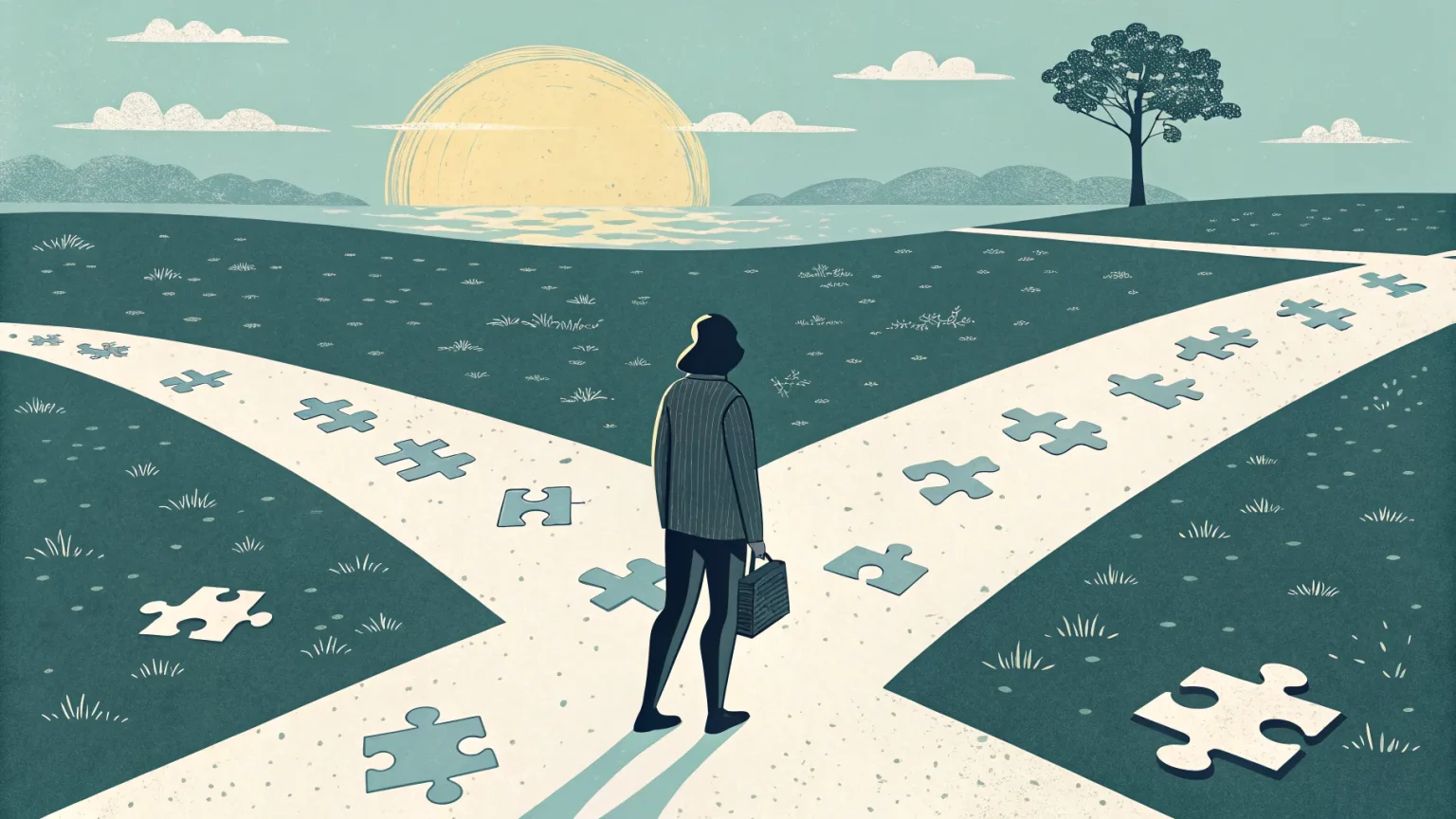
We love to believe that better thinking will fix bad feelings. I’ve coached athletes, entrepreneurs, and students for decades, and I’ve watched smart people try to outthink sadness, anger, and fear. It doesn’t work. My stance is simple: thoughts rarely move feelings, actions do. If you want to feel different, do something different.
The Core Truth: Action Changes Emotion
We tell ourselves to relax. We tell others to “let it go.” But spirals don’t stop because we tell them to. They stop when we move. I’ve built teams, led companies, and sat with champions before big moments. The ones who act, even a little, shift their state fastest. The rest wait on a mindset that never shows up.
“It never works because logic can never change the way you feel. Do you know what changes the way you feel? Action.”
That line isn’t theory. It’s field-tested truth. When you stand up, breathe deeper, move your body, serve someone, or create a small win, your chemistry changes. Your story changes. Your day changes.
Why Logic Fails When You Feel Low
Logic is great for planning. It’s weak for shifting emotion. When you’re worried or upset, the thinking brain gets hijacked. You try to reason with a storm. The storm doesn’t care. Emotion responds to motion. Move your body and your brain follows.
“If you’re depressed, anxious, frustrated, angry, worried, get off your ass, go outside, pick up trash. Go wave to 10 people. Go outside and smile at 10 people.”
Simple acts break the loop. Your nervous system gets a fresh signal. Your mind sees proof you still have control. Hope returns through effort, not wishes.
What Works Right Now
Start small. Win small. Stack the wins. These quick shifts create momentum you can feel.
- Stand up, take ten deep breaths, and get sunlight for five minutes.
- Pick up five pieces of trash on your block.
- Smile and wave at ten people; count them out loud.
- Do ten push-ups or a one-minute wall sit.
- Send a short thank-you message to someone who helped you.
Each action is low effort. Each creates a state change you can’t think your way into.
Evidence From Real Life
As Chairman of the Napoleon Hill Institute and former CEO at Leigh Steinberg Sports & Entertainment, I’ve watched the highest performers manage pressure. The best don’t argue with their feelings. They act into a better state. Micro-movements lead to macro-results. A short walk becomes a better meeting. A smile becomes a new client. Service to others becomes a new identity.
We all want a grand fix. But the fix is usually a small habit done right now. Action is the switch; feeling is the light. Flip the switch and you’ll see again.
But What About Affirmations And Positive Thinking?
Words matter. Therapy helps. Prayer helps. Planning helps. I use them. Here’s the catch: when your body is stuck, words slide off. Pair thought with motion. Say the affirmation while you walk. Pray while you serve. Review the plan after you sweat. Action unlocks the door that thinking knocks on.
My Challenge To You
Pick one action from the list and do it today. Not in an hour. Now. Send the text. Step outside. Count to ten as you wave. Then notice how your chest feels. Notice your breath. Notice your head clear. That change didn’t come from a perfect thought. It came from a willing move.
Stop trying to think your way out of feelings you acted your way into. Act your way into feelings you want. That’s how confidence grows. That’s how a rough morning turns into a solid afternoon. That’s how a life changes, one small move at a time.
Frequently Asked Questions
Q: Why doesn’t telling myself to calm down work?
Because strong emotions mute reason. Movement sends a signal that shifts your state, making calm thoughts possible again.
Q: What if I don’t feel like taking action?
Lower the bar. Pick the smallest move you won’t resist—stand up, sip water, or send one thank-you text. Start tiny and build.
Q: Can positive thinking help without action?
It can help a little, but results are limited. Pair thought with motion to get faster, stronger changes in mood.
Q: How fast will I feel different after I act?
Often within minutes. Even a brief walk, a smile, or quick exercise can reset your body and mind.
Q: What if my feelings are severe or long-term?
Seek professional support. Use action as a daily aid, not a replacement. Small, steady steps work well alongside expert care.


