

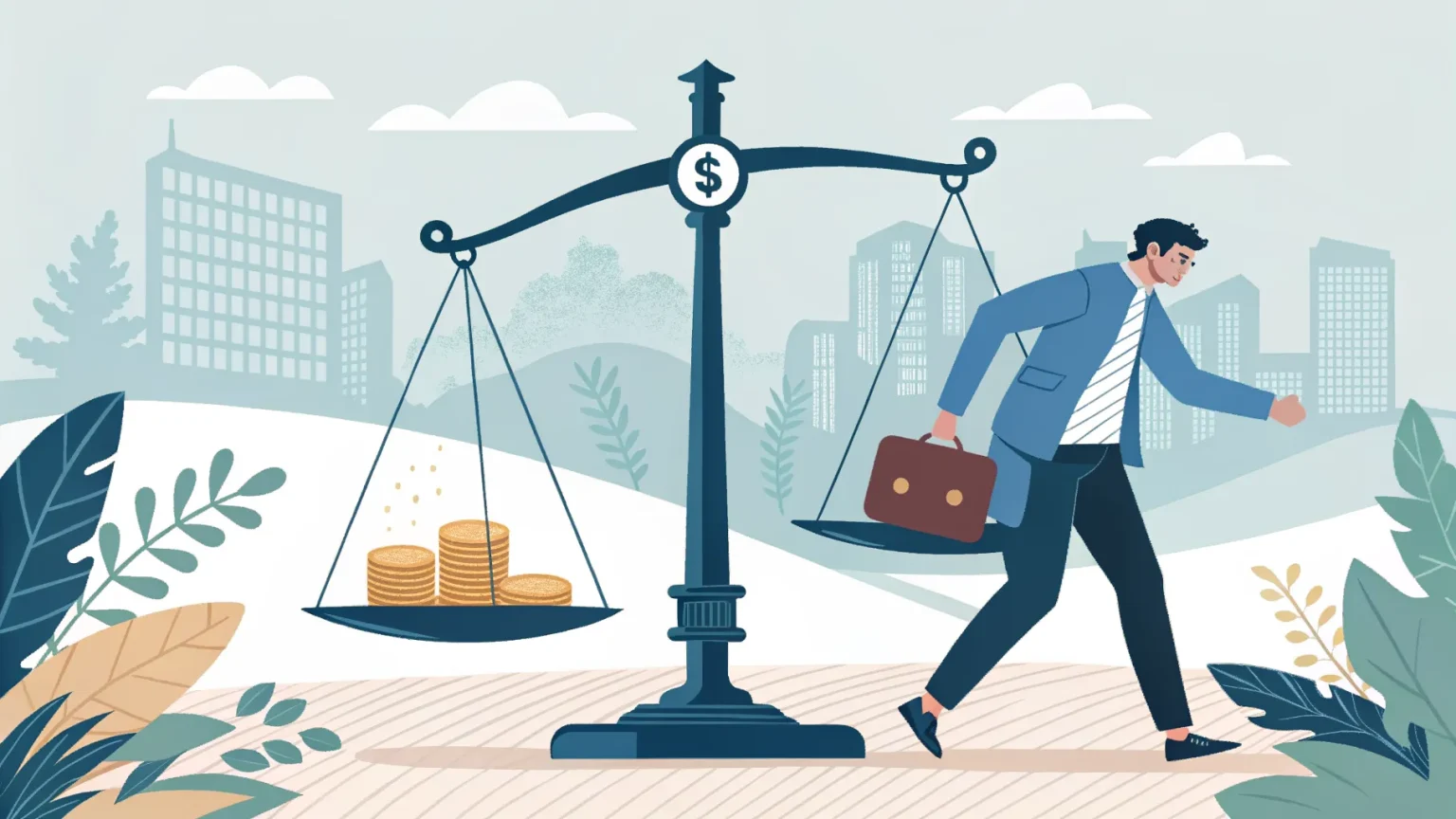
People love to say, “You’re lucky.” As David Meltzer, I’ve heard it for decades in business, sports, and media. My view is simple: luck shows up, but preparation decides who catches it.
My stance is clear. Luck matters, but it only pays off when you’re ready, willing, and consistent. Dismissing either side misses how success actually happens. This is relevant because too many folks either wait for a miracle or grind without aim, then wonder why opportunity skips them.
Luck isn’t random—readiness makes it real
Here’s the core idea: opportunity is common; capitalization is rare. I’ve watched doors open for many people. The ones who walk through are the ones who were already practicing the basics—clear values, daily routines, follow-up, and the courage to say yes when it counts.
“It was lucky that this guy reached out and did that. So, it’s a combination of luck and hard work.”
I’m not arguing that hustle alone guarantees wins. I am arguing that hustle attracts the right breaks and lets you act fast when they arrive. If you’re not prepared, luck feels random. If you’re prepared, luck feels fair.

The story that still guides me
Years ago, a reader in Boston moved to New York. He loved our newspaper and asked if he could build a website so he could keep reading it. No pitch deck. No big plan. Just a smart person who cared about the product. He built our early site.
That gentleman later became the CTO of Business Insider. I didn’t plan that. I didn’t predict it. But I was ready to say yes, give him room, and ship fast. That was luck meeting preparation.
“I didn’t plan that… it was lucky that this guy reached out and did that.”
Some will say it was only hard work. Others will say it was only luck. Both views miss the point. The right move is to build a system that makes luck useful.
What makes you “luckier”
There are actions that raise the odds that luck finds you and sticks. Do them daily and you won’t need to force outcomes; you’ll convert them.
- Do the reps: simple, repeatable routines beat random bursts of effort.
- Make it easy to help you: be clear, responsive, and grateful.
- Follow up fast: speed shows care and builds trust.
- Say yes to small starts: big wins often begin as tiny tests.
- Keep relationships warm: check in before you need anything.
These steps sound basic because they are. They compound. Over time, they create a surface area for luck to land. Then your readiness turns it into results.
Answering the pushback
“If it’s luck, why work so hard?” Because effort without readiness is waste, and luck without readiness is waste too. The win is in the conversion. Another pushback: “Hard work alone is enough.” If that were true, every grinder would win. They don’t. The people who win prepare for the unexpected and invite it with consistent action.
My rule for opportunity
Be prepared, be generous, be quick. Preparation lets you see the opening. Generosity makes people want to open doors for you. Speed proves you were ready for the moment. That mix has carried me from boardrooms to locker rooms to stages. It will work for you, too, if you commit to it daily.
Here’s my final take: Don’t argue about luck. Build for it. Treat every day like practice for the moment you can’t predict. When it arrives, you won’t freeze. You’ll finish.
Call to action
Today, set one simple routine you will not miss, ask one person how you can help, and respond faster than you did yesterday. Stack those three moves for 30 days. Then watch how “luck” starts returning your calls.
Frequently Asked Questions
Q: How do I prepare for opportunities I can’t predict?
Build daily habits you control: clear goals, a short priority list, fast follow-up, and regular check-ins with key contacts. Preparation beats prediction.
Q: What if I don’t have a big network?
Start small. Reach out to five people a week with a helpful note or resource. Consistency grows a real network faster than one big introduction.
Q: How do I know when to say yes to a new idea?
Use a simple filter: low risk, clear learning, and quick test. If it meets those three, try it. Small bets can lead to big breaks.
Q: Isn’t luck just timing I can’t control?
You can’t control timing, but you can control readiness. The prepared person turns good timing into real outcomes.
Q: What should I do right after a lucky break appears?
Act fast, document next steps, and confirm roles. Then over-communicate progress. Speed and clarity convert chance into momentum.


