

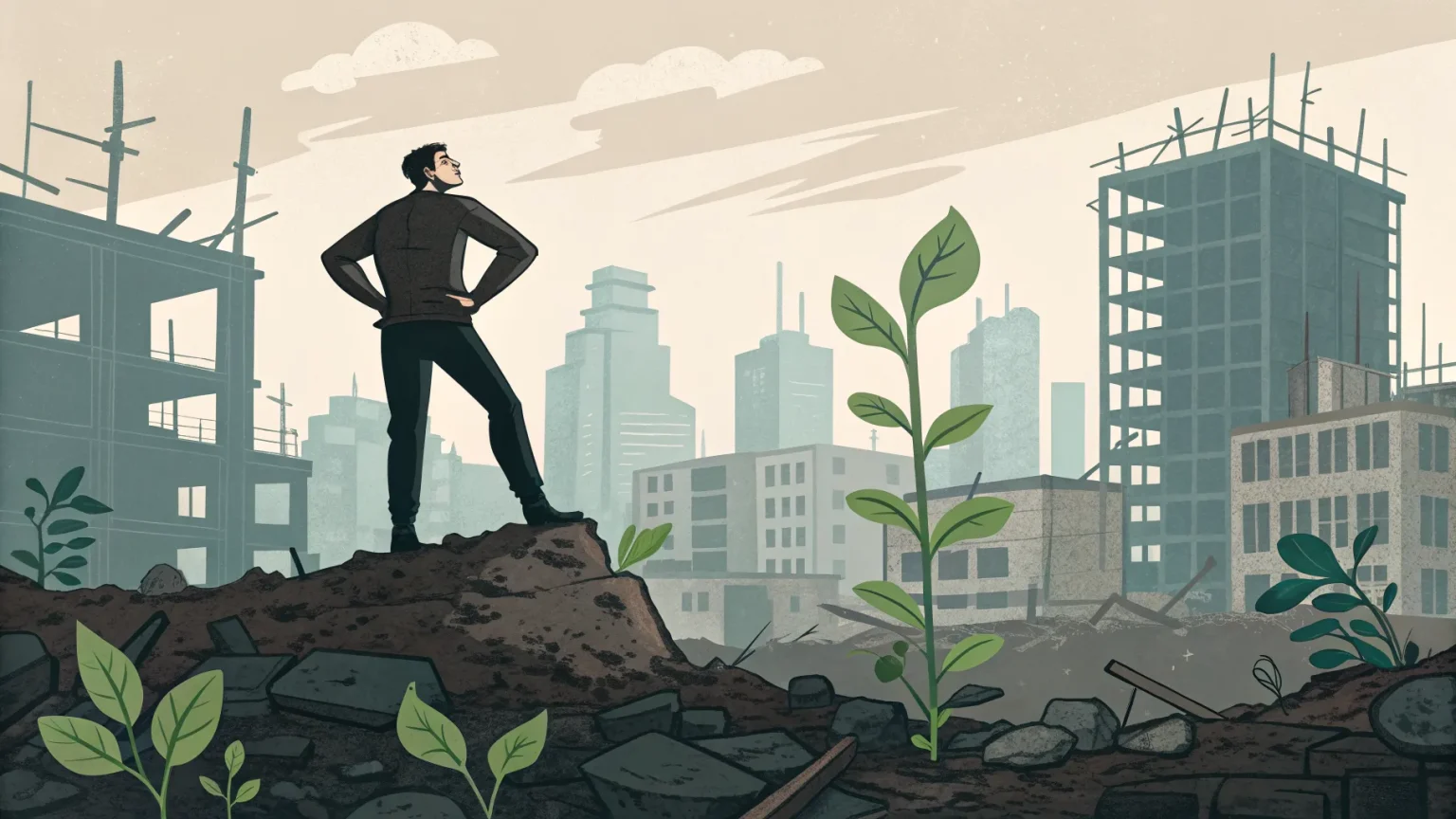
I am David Meltzer, and I have worn many titles: Chairman of the Napoleon Hill Institute, former CEO of Leigh Steinberg Sports & Entertainment, entrepreneur, coach, and investor. None of those labels mattered the night I knocked on my mother’s door and told her she had to move out of the house I bought her. Bankruptcy stripped me to the studs. It also rebuilt me.
Here is my stance: setbacks are not punishment; they are promotion and protection. It may not feel that way in the moment. It did not for me. But the hardest fall in my life became the turning point that saved my life.
The Lesson I Couldn’t See Then
Nine months out of law school, I became a millionaire. I bought my mom a house and a car. That was my dream. Then I lost it all. I moved into a rented house with rented furniture and one car. Worse, I had to tell my mom she had to move because I forgot to take her house out of my name. The shame burned.
“If somebody would have told me that I was protected and promoted, because I sure felt punished.”
In that season, I thought I was doing the right things. I worked hard. I chased more. But my behaviors were aggregating, accelerating, and compounding in the wrong direction. The problem wasn’t effort. The problem was who and what I allowed to influence me.
“I wasn’t surrounding myself with the right people and the right ideas.”
What Failure Actually Gave Me
Seventeen years later, I can say this with clarity: that collapse promoted me to a higher standard. It protected me from a life built on ego, scarcity, and approval. Without that inflection point, I would not be here writing this.
I changed my inputs first. Money magnifies who we are. If your circle rewards short cuts and status, your results will reflect that. If your ideas prize service, humility, and consistent behavior, your results will reflect that too. The math is simple. The compounding is real.
- People: Choose mentors and friends who tell you the truth, not what you want to hear.
- Ideas: Feed your mind with principles that last, not trends that fade.
- Habits: Small, kind actions every day beat big promises once a year.
- Accountability: Own it fast. Excuses are debt with interest.
- Service: Make decisions that would make your future self and your family proud.
These are not slogans. They are guardrails I use daily. They keep me from drifting back into the behaviors that once wiped me out.
The Counterargument—and Why It Falls Short
Some say failure is just failure. That it ruins reputations and closes doors. I understand that view. I lived it. But it ignores what you can do next. Pain is information. It directs you to better choices if you listen. The loss was real. The lesson was real too. That combination rebuilt my confidence the right way—on service, gratitude, and daily discipline.
What I Tell Anyone Facing a Fall
If you feel punished right now, I see you. It hurts. But ask a harder question: What is this trying to promote me to? What is it trying to protect me from? My answer changed my life.
“Seventeen years later, that inflection point in my life saved my life.”
Your next decision matters more than your last mistake. Start where your feet are. Audit your people and your ideas. Then take one small, aligned action today. Repeat tomorrow.
Final Thought
I lost the house, the things, and the image. I kept the love for my mom. I built a new standard for myself. If you are facing your own collapse, borrow my belief until yours returns: you are being protected and promoted. Choose better people. Choose better ideas. Then act. Let today be your inflection point.
Frequently Asked Questions
Q: How did you handle telling your mother she had to move?
It was the lowest moment of my life. I owned the mistake, helped her transition, and used that pain to change how I made decisions.
Q: What practical step should I take first after a major setback?
Do a quick audit: list your five closest influences and your daily habits. Replace one negative influence and add one positive habit this week.
Q: How do you decide who the “right people” are?
Look for people who live their values when it costs them. They keep promises, tell hard truths, and treat others well when no one is watching.
Q: Isn’t failure just a loss with no upside?
Loss is real, but it carries information. If you act on the lesson, you can rebuild on stronger ground and avoid repeating the same cycle.
Q: How long did it take to feel “promoted” instead of punished?
Clarity took time. Small, consistent choices stacked up. Over the years, that compounding proved the fall was the turning point I needed.


