

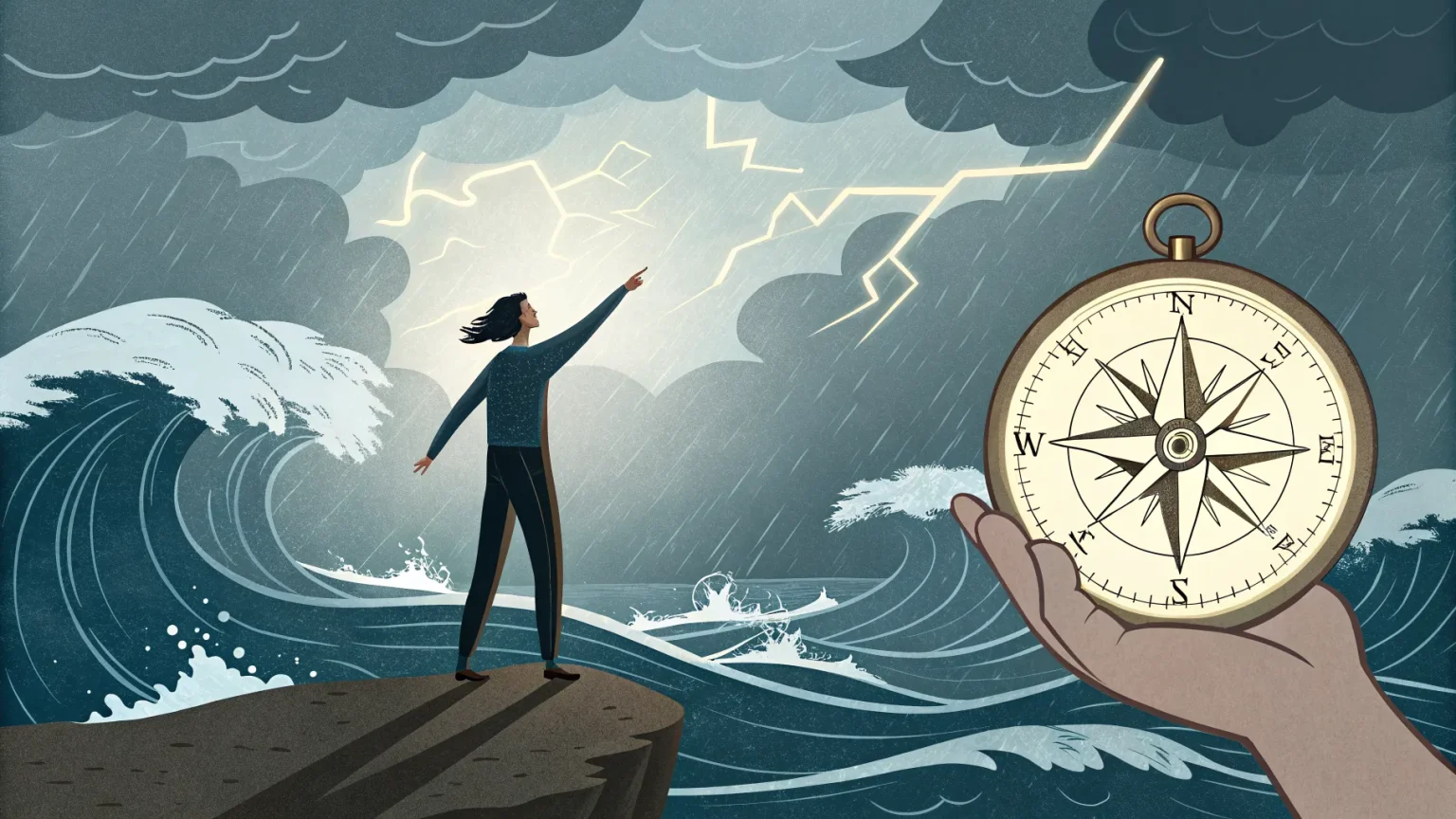
I learned the meaning of pain early. A hot stove taught me more about growth than any trophy ever did. My stance is simple. Pain is feedback, not fate. It protects, promotes, and points us forward when we choose discipline over drama.
“No.”
“I’m not punishing you. You didn’t know what the stove was going to do to you. I’m protecting you from that.”
That moment from my childhood still guides me. Years later, I lost more than a hundred million dollars. People asked how I survived. The answer was the same lesson, scaled up. I detached from outcomes and attached to my behavior today.
My core belief: detach from outcomes, attack the day
Results are fragile; behavior is durable. We cannot control market swings, timing, or luck. We can control habits, energy, and consistency. That is where freedom lives.
Pain is a signal, not a sentence. When the world says “No,” it may be saving you from something worse or steering you to something better. The loss that breaks your plan can build your purpose.
“I was protecting and promoted. It’ll work itself out by detaching myself from the outcome, but attaching my ferocious behavior to today.”

What I do when life hits hard
I run a simple playbook when pressure rises. It keeps me focused and honest.
- Ask, what is this pain protecting me from right now?
- Ask, where could this push me to grow or improve?
- Detach from the scoreboard; attach to the schedule.
- Do the next right thing with speed and humility.
- Review the day, not the drama. Repeat tomorrow.
This approach is not soft. It is direct and practical. It moves you from pity to practice.
Evidence from my own life
I lost nine figures and kept going. That was not due to swagger. It was due to structure. I set clear behavior goals each day. I measured effort, learning, and service. I guarded my morning and my mindset. I stopped bargaining with fear. The money did not return overnight. But my confidence did. Then opportunities followed.
Some will say outcomes drive life. They matter. But chasing only outcomes is like gripping smoke. The tighter the grip, the faster it slips. Behavior compounds. It builds skill, trust, and timing. It makes luck show up more often. That is how turnarounds begin.
Addressing the pushback
Critics warn that detachment breeds apathy. They are wrong. Detachment from outcome is not detachment from effort. It is freedom from panic. It is clarity under stress. It lets you see the field and hit the open pass.
Others say pain is just pain. I disagree. Pain can teach pattern recognition. It can burn away ego and expose better options. You do not have to like it. But you can learn from it.
How to put this into practice today
Make a two-column list each morning. On the left, write the outcomes you want. On the right, write the behaviors you control. Circle only the right column. Then live there today.
- Set three behavior goals for the day.
- Block time for them on your calendar.
- Remove one distraction per block.
- Debrief in five minutes each night.
- Adjust and repeat.
Small, repeatable wins stack into big results. This is not theory. It is how I rebuilt after losing more than most people could imagine.
The takeaway
Pain is not punishment; it is protection and promotion when paired with daily, ferocious behavior. You do not have to fear the stove forever. You just have to learn what it can do. Then act with care, speed, and purpose.
Choose discipline over drama. Choose today over someday. Detach from the scoreboard and attack your schedule. Your future self is already thanking you.
Frequently Asked Questions
Q: What does “detach from outcomes” actually mean?
It means stop tying your worth to results you cannot fully control. Focus on consistent actions you can repeat, measure, and improve each day.
Q: How do I stay motivated without chasing results?
Track behaviors instead of trophies. Score your effort, learning, and service. Motivation grows when you see steady progress you control.
Q: What if the pain I feel is from a mistake I made?
Own it fast. Extract the lesson. Change one behavior today. Forgive yourself by proving it with action, not with promises.
Q: How can I start rebuilding after a big financial loss?
Create a tight daily schedule. Cut non-essentials. Serve clients first. Build skills in sales, communication, and time blocking. Let results follow the routine.
Q: Isn’t focusing on behavior too slow for urgent goals?
Urgency without structure creates mistakes. Behavior focus speeds learning and reduces waste, which helps you hit urgent goals with fewer resets.


