

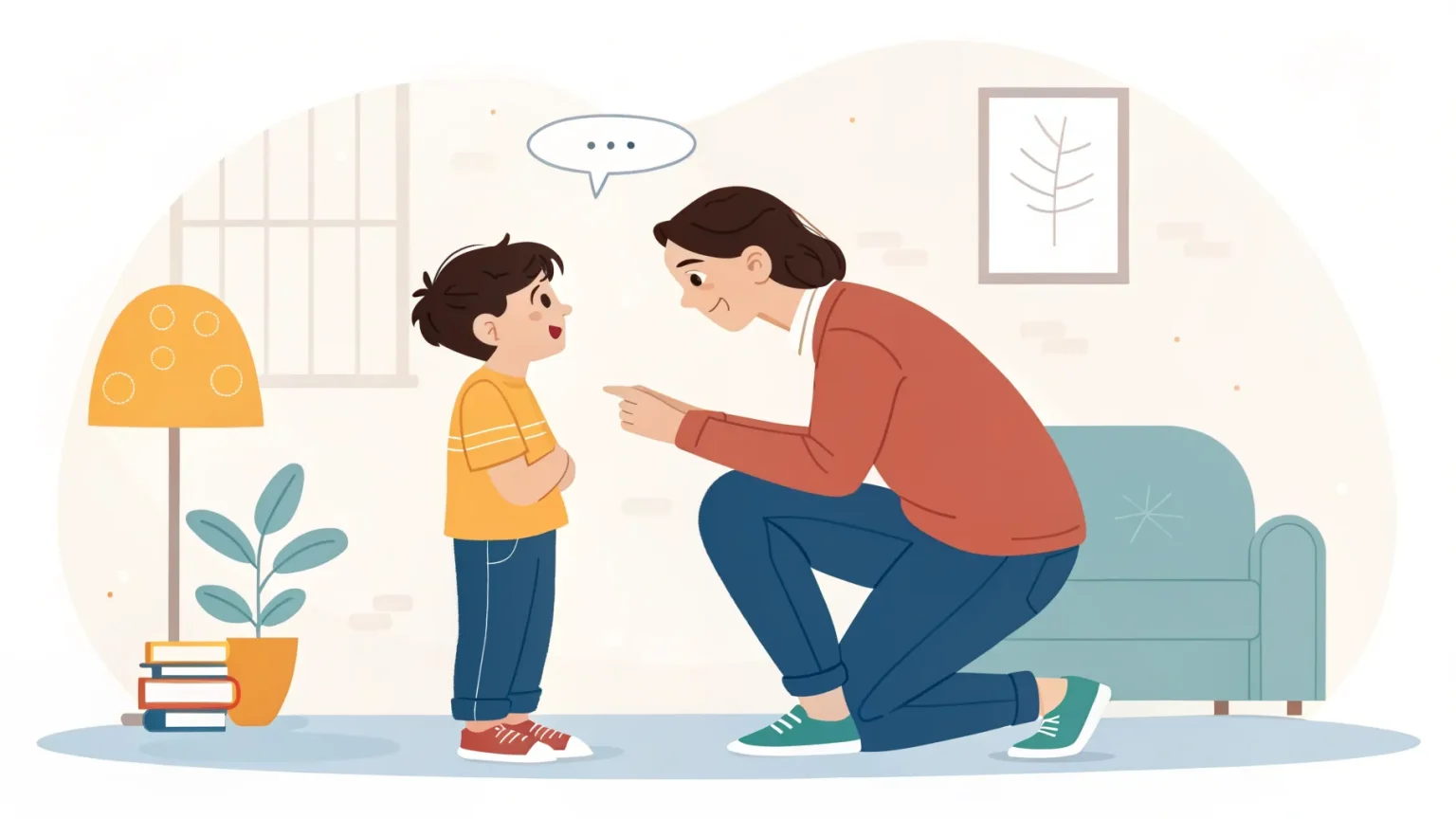
I’m David Meltzer, and I believe parenting is a daily practice, not a highlight reel. My stance is simple: say the right things to your kids every day and mean them. The words you repeat become the beliefs they live by. The world can be loud and confusing. Home should be clear.
“Do your best, learn lessons, and have fun. I love you, I’m proud of you, and I always have your back.”
Those words go to my kids every day by text. Not once a week. Not when something goes wrong. Every day. Some might say it’s overkill. I say repetition builds identity. The mind takes in what it hears most. Why not make sure it hears what matters most?
The Core Message I Refuse To Stop Repeating
Kids don’t need perfect parents. They need consistent truth. My north star is this belief:
“Human beings learn through two things, repetition and honesty.”
Repetition creates certainty. Honesty creates trust. Put them together, and you give a child confidence without entitlement. When I tell my kids I love them and I’m proud of them, it’s not flattery. It’s a reminder of our bond and their worth. When I tell them to do their best and learn lessons, it’s accountability, not pressure.

Why These Words Work
“Do your best” sets a standard. Effort beats outcomes. “Learn lessons” reframes mistakes as fuel. “Have fun” keeps joy in the process. “I love you” anchors them. “I’m proud of you” rewards character. “I have your back” gives them courage to try again. That mix matters.
I’ve coached top performers and young entrepreneurs for years. The ones who grow fastest have a strong inner voice. That voice often starts as a parent’s voice. If kids hear fear, they learn fear. If they hear belief, they learn belief.
Addressing The Pushback
Some worry that constant praise can soften kids. I agree—empty praise can. That’s why I pair love with standards. The love is unconditional. The standards are clear. It’s not “You’re perfect.” It’s “You’re loved. Now do your best. Learn. Have fun.” That balance builds grit and grace.
Others say texting isn’t real connection. I don’t rely on texts alone. We talk, we show up, we mess up, and we fix it. The daily message is a baseline, a heartbeat. It keeps us connected between life’s chaos. When something hard happens, there’s already a bridge.
How To Put This Into Practice
Small, steady actions beat grand speeches. Start simple and stay consistent.
- Send a daily message with the same core phrases.
- Match your words with action: show up and listen.
- Praise effort, not just results.
- When mistakes happen, ask: “What did we learn?”
- Keep it short so it sticks.
Consistency builds a culture at home. When kids know what they’ll hear from you, they know who they are with you.
What I’ve Learned As A Leader And A Dad
In boardrooms and locker rooms, I’ve seen the same pattern. People rise when they feel safe enough to stretch. They risk more when they trust the ground under them. At home, that ground is love and truth spoken often. Repetition is a gift, not a crutch.
The goal isn’t to script their lives. It’s to script a mindset. One day, they won’t need my daily text. They’ll send it to themselves.
Final Thought
If you want stronger kids, give them stronger messages—daily, honest, and clear. Repeat what matters until it becomes their own voice. Start tonight. Send the text. Say the words out loud. Keep saying them. The world will test them. Your words will steady them.
Frequently Asked Questions
Q: What if my child rolls their eyes at repeated messages?
That’s normal. Keep it short and sincere. Consistency works over time, even when the reaction is cool in the moment.
Q: How do I avoid empty praise?
Tie encouragement to effort and learning. Say, “I’m proud of how hard you worked,” or “Great job applying what you learned.”
Q: Is texting enough to build trust?
No. It’s a supplement. Pair daily messages with real conversations, presence, and follow-through on promises.
Q: What should I say after my kid makes a big mistake?
Acknowledge the consequence, then ask, “What did we learn?” Reinforce love and support while setting clear next steps.
Q: How soon can I start this routine?
Start now. Pick a simple script and send it daily. Consistency, not perfection, creates the shift.


