

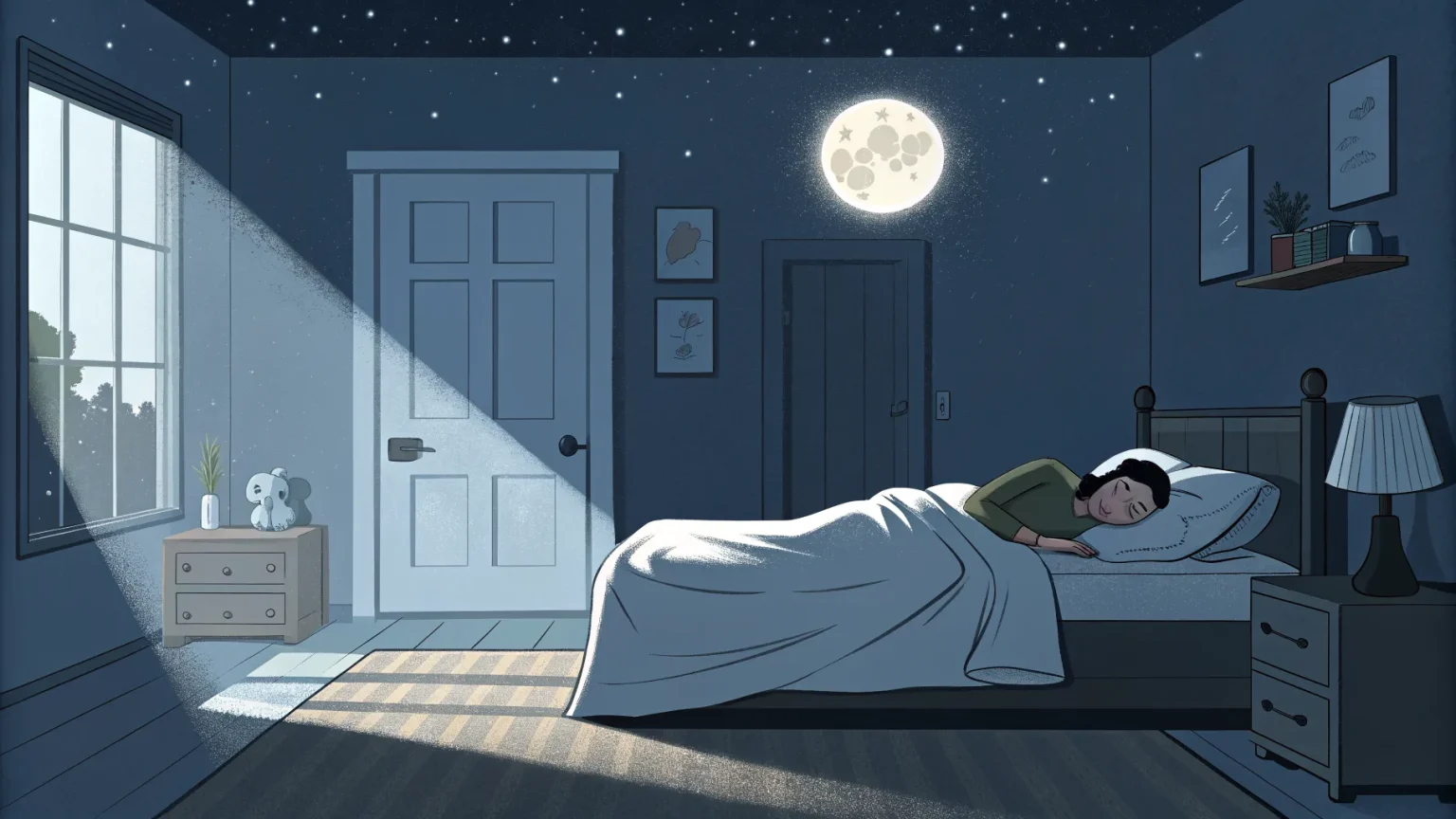
As a coach, investor, and Chairman of the Napoleon Hill Institute, I have studied success from every angle. My view is simple: success starts before the day starts. The most important work happens when the phone is off and the room is dark. My stance is clear. Sleep and other non-negotiable habits decide your results.
People chase hacks and grind longer hours, then wonder why they stall. The answer sits in plain sight. It is not more noise or more caffeine. It is the discipline to build a day that cannot fail before the sun comes up.
“90% of your success is in the 12 hours of non-negotiable behavior. And the majority of the 12 hours of non-negotiable behavior is sleeping… for the purpose of recovering and accessing information, energy, intelligence, inspiration, intuition… so you can perform and react and respond to the circumstances that you can’t control for the other 12 hours.” — David Meltzer
The Case for Non-Negotiables
Here is my core belief. Discipline beats drama. The 12 hours I lock in each day—especially sleep—set the ceiling for my performance. Those hours refill the tank and sharpen the mind. They let me respond instead of react. They turn chaos into choice.
Most people plan their meetings, not their recovery. That is backwards. The market is messy. Clients cancel. Deals shift. You cannot control that. You can control your non-negotiables. Recovery is a skill, not a luxury.

Sleep Is a Skill, Not a Luxury
Sleep is the anchor. It is not a badge of weakness. It is the strongest play you can make. While you sleep, your body rebuilds and your mind organizes. That is not theory. It is biology. When you wake with real energy, you make better calls, hold your focus longer, and avoid emotional mistakes.
I treat sleep like a contract. It gets a time, a plan, and protection from distractions. Miss a night, and I pay for it with bad choices the next day. That cost is too high.
How I Lock In the 12-Hour Standard
Non-negotiables should be simple, repeatable, and tracked. They are not heroic. They are honest. These are the anchors that keep my day steady:
- Fixed sleep window: same bedtime and wake time, even on weekends.
- Device curfew: screens off at least one hour before bed.
- Hydration and light: water on waking, morning light within an hour.
- Gratitude and breath: two minutes each to set my state.
- Nutrition plan: no guesswork at night, no heavy meals late.
- Movement: light stretching at night, short mobility in the morning.
- Reflection: quick review of wins, lessons, and intent for tomorrow.
These basics create room for the “other 12 hours” to shine. They give me the calm to adjust when life throws curves.
Answering the Hustle Myth
Some will say, “Sleep is for the weak.” That line sells well, but it fails on results. Fatigue lowers IQ on par with drinking. Tired leaders snap at teams, miss details, and chase shiny objects. That is not toughness. It is waste.
Others claim they thrive on four hours a night. A tiny number might. Most are lying to themselves. If your best deals, best ideas, and best relationships matter, stop gambling with your brain.
From Receiving to Giving
There is a deeper point. We must receive well to give well. Sleep lets me receive the information, energy, intelligence, inspiration, and intuition I need. Only then can I serve clients, teams, and family at a high level. You cannot pour from an empty cup. Refill first. Then go give it away.
What To Do Next
Set your 12-hour contract today. Make it clear and kind to yourself. Then protect it like your biggest client meeting.
- Choose a sleep window and guard it for 30 days.
- Kill late-night screens and track morning light exposure.
- Write three daily non-negotiables and check them off.
- Review your energy weekly and adjust one lever at a time.
My opinion will not change: Great days are earned the night before. Win recovery, and you will win more deals, more clarity, and more peace. Start tonight.
Frequently Asked Questions
Q: How many hours of sleep do you target?
I plan for seven to eight hours in a fixed window. Consistency matters more than chasing a perfect number each night.
Q: What if late work or travel disrupts the routine?
Control what you can. Keep the wind-down, cut screens, and shorten the window if needed. Get back to the schedule the next night.
Q: Do naps help or hurt?
Short naps can help. I use 10–20 minutes, early afternoon, and avoid long naps that steal from nighttime sleep.
Q: How fast will performance improve with better sleep?
Many feel gains in a week—more focus and better mood. Strong benefits stack over 30–60 days of steady habits.
Q: What are the first three non-negotiables to try?
Set a fixed sleep window, turn off screens an hour before bed, and get morning light. These three give quick, noticeable returns.


