

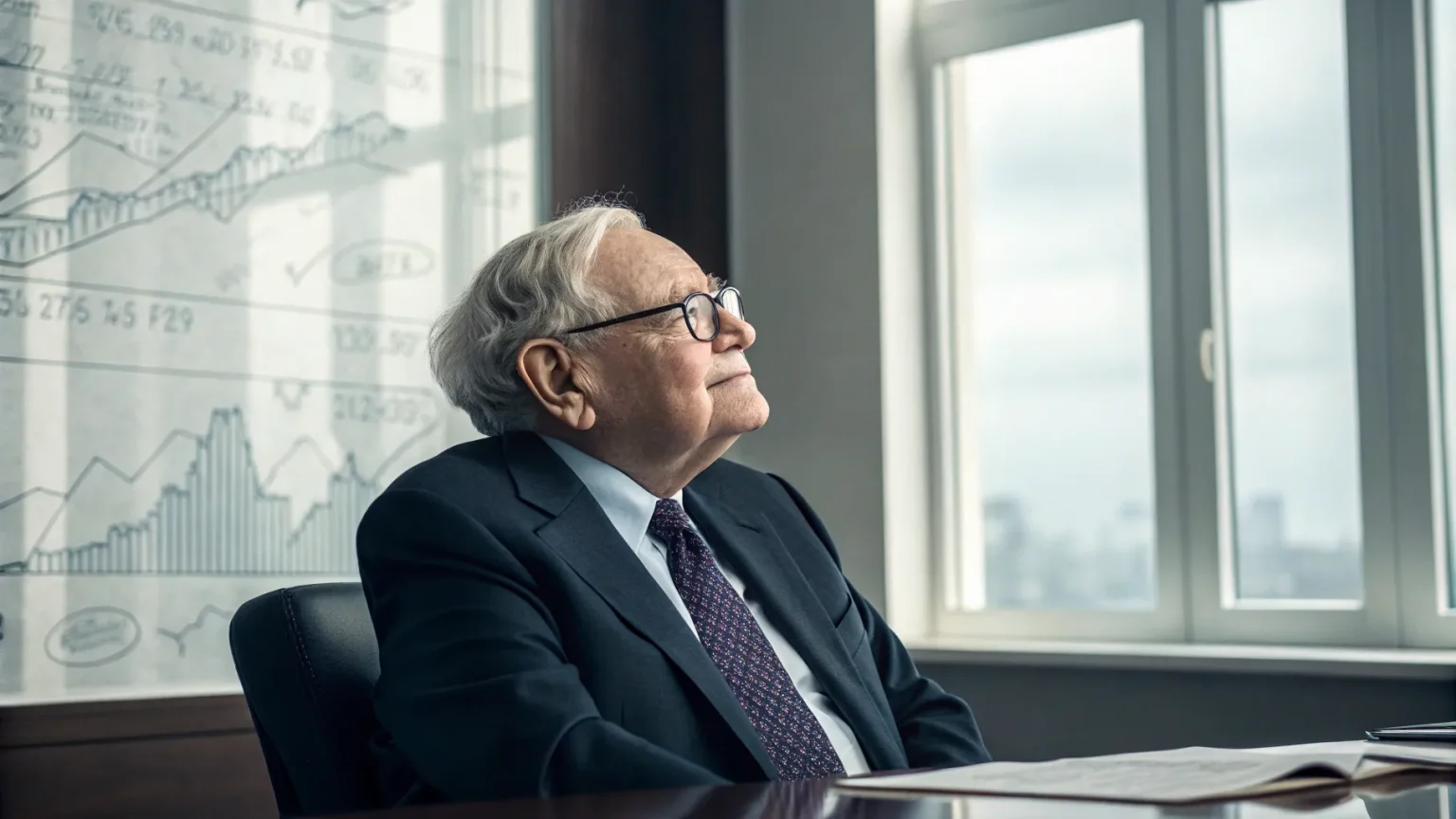
Warren Buffett retired on December 31, 2025, and the Greg Abel Berkshire era has formally begun. The transition closes a chapter that started with an accidental takeover of a struggling textile mill and grew into one of the most studied business stories in modern finance. The Greg Abel Berkshire handoff raises fresh questions about leadership, strategy, and how Berkshire Hathaway will evolve without its most famous voice in the room.
For self-employed founders who have learned about capital allocation by reading Buffett’s annual letters for years, the Greg Abel Berkshire transition is a useful test case. After helping clients translate Buffett’s rules into one-person business decisions for over a decade, I want to walk through what changes, what stays the same, and what self-employed investors should actually watch.
How the Greg Abel Berkshire transition came together
Buffett’s exit shifts focus to Berkshire’s next chapter. Greg Abel, long identified as the operational successor, now leads the company’s day-to-day work. Berkshire’s decentralized model, where operating managers run their own businesses, is designed to endure leadership changes without disrupting the operating units underneath.
Investors will watch how capital is deployed without Buffett’s hand on the tiller. Share repurchases, dividends, and large deals will signal whether Berkshire maintains its measured pace or seeks new directions. The company’s insurance operations, led by Ajit Jain, remain a core engine. Their performance will influence how much cash is available for future bets under Greg Abel Berkshire leadership.
A textile mill that changed course
Berkshire Hathaway started as a failing textile company that Buffett bought in the 1960s. He later called the deal a lesson in discipline and capital allocation. The moment became a turning point in his career and in the company’s future.
Buffett used Berkshire as a holding company, shifting cash from declining mills into insurance and other businesses. That set up the float model that funded acquisitions and stock purchases for decades. It also formed the base of an investment approach focused on value, patience, and simple math.
Building the investing giant Greg Abel inherits
Under Buffett, Berkshire assembled an eclectic mix of operating companies. Insurance, railroads, energy, and consumer brands gave the firm steady cash and resilience during downturns. Public holdings added a second engine of growth.
Apple became the company’s largest equity stake in recent years, reflecting Buffett’s openness to durable franchises when the economics are clear. Longtime holdings like Coca-Cola reinforced his preference for strong cash flow and brand power. The annual letters to shareholders explained the logic in plain language and set expectations for candor in corporate reporting.
Buffett also challenged high-fee money management. In a 10-year wager that ended in 2017, he backed a low-cost S&P 500 index fund over a group of hedge funds. The index fund won, supporting his view that costs and patience matter more than complexity for most investors.
What stays the same in the Greg Abel Berkshire era
Most of the Berkshire machine continues to run as it did under Buffett. The operating businesses keep their existing managers. The insurance float engine still funds investment activity. The decentralized culture, which gives unit leaders broad autonomy, was a Buffett creation but does not depend on him personally.
The board has signaled continuity on capital allocation. Buybacks, dividends, and large acquisitions will be evaluated against the same hurdles Buffett used: durable economics, capable management, and a fair price. The Greg Abel Berkshire approach is built to look familiar from the outside even as the leadership style shifts inside.
What self-employed investors should watch
Three signals matter most for outside observers in the year after the Greg Abel Berkshire transition:
- Communication tone. Whether the next annual letter keeps the candor and detail Buffett built into the format.
- Buyback pace. A pickup in repurchases would suggest the new leadership sees value at current prices.
- Insurance underwriting. The float engine is the backbone of Berkshire’s model, and any slippage there is the canary.
If those three lines hold, the company’s ability to compound capital should remain intact. If they wobble, the market will reprice the cultural premium that Buffett earned over six decades. Either outcome is informative for self-employed investors deciding how much faith to put in the Greg Abel Berkshire leadership group.
Supporters and skeptics weigh in
Supporters point to Berkshire’s long record of compounding value. They cite disciplined buying during crises and a culture that prizes trust and autonomy. They also note that many of the systems and incentives that guided past success remain in place.
Skeptics argue that Berkshire’s size limits its agility. Mega-cap technology stocks have dominated returns in recent years, and matching that pace is difficult for a conglomerate with dozens of units and strict valuation hurdles. Others question whether the Greg Abel Berkshire team will stick to Buffett’s caution on deal pricing when pressure to grow mounts.
The answer for many longtime observers lies in consistent rules and a refusal to chase trends. That mindset, while sometimes unfashionable, allowed Berkshire to avoid common investing traps and gives the new leadership a clear playbook to follow.
Lessons the Greg Abel Berkshire transition offers self-employed founders
Solo operators planning a hand-off, a sale, or a step-back can pull four practical lessons from the Greg Abel Berkshire transition:
- Name your successor early. Greg Abel was publicly identified years before the formal handoff, which gave clients, vendors, and team members time to adjust.
- Document your principles. Berkshire’s capital allocation rules live in shareholder letters that anyone can read. A two-page operating manual does the same thing for a one-person business.
- Decentralize the work. Unit leaders ran their own businesses with autonomy under Buffett. Solo founders can use the same logic with virtual assistants, contractors, and a clear scope per role.
- Keep cash on hand. Berkshire’s cash buffer made it a buyer when others panicked. A solo business with three to six months of expenses in reserve has the same advantage at a smaller scale.
For practical succession steps in a solo or small business, the SBA’s close or sell your business guide is the right starting point.
For broader reading on running a one-person business with leverage, the self-employed bookkeeping step-by-step guide, essential forms for self-employed professionals, and self-employment ideas guide pair well with this article.
Signals to watch in the Greg Abel Berkshire era
- Leadership clarity: Formal confirmation of Greg Abel’s remit and any board changes.
- Capital allocation: Pace of buybacks, size of acquisitions, and appetite for new sectors.
- Insurance results: Underwriting profitability and investment income that drive Berkshire’s cash.
- Communication: Whether annual letters keep the same transparency and detail.
Buffett’s exit from daily duties closes a chapter that began with a misstep and evolved into a model of patient investing. The core questions now are practical: who makes the big calls, how capital is used, and whether Berkshire can keep compounding without its most famous steward. The Greg Abel Berkshire team’s next moves in deals, disclosures, and discipline will show how much of the method can outlast the man who built it.
Frequently asked questions
Who is Greg Abel and what does he run?
Greg Abel is the CEO of Berkshire Hathaway as of January 2026, taking over from Warren Buffett. He previously oversaw the non-insurance operating businesses and was publicly identified as the successor years before the transition.
Will the Greg Abel Berkshire team change the investment philosophy?
Most observers expect the same discipline on capital allocation, low leverage, and long holding periods. The bigger variable is communication style and how the new leadership engages with shareholders going forward.
How does the Greg Abel Berkshire transition affect Berkshire stock?
Day-to-day operations were already decentralized to unit leaders, so most subsidiaries continue unchanged. The market will reprice Berkshire based on how the new leadership deploys capital, not on the leadership change itself.
What lessons can self-employed founders take from the Greg Abel Berkshire transition?
Name your successor early, write your principles down, decentralize the work, and keep cash on hand. Those four moves scale down cleanly from a global holding company to a one-person service business or freelance practice.
When did Buffett officially retire from Berkshire?
Warren Buffett retired on December 31, 2025. Greg Abel formally took over the CEO role on January 1, 2026, beginning the new era at Berkshire Hathaway.
Should I sell Berkshire stock under the Greg Abel Berkshire era?
That is a personal allocation decision and not advice. Most self-employed investors with diversified retirement accounts have minimal direct exposure, and the underlying businesses Buffett bought continue to operate independently of any single leader.


