

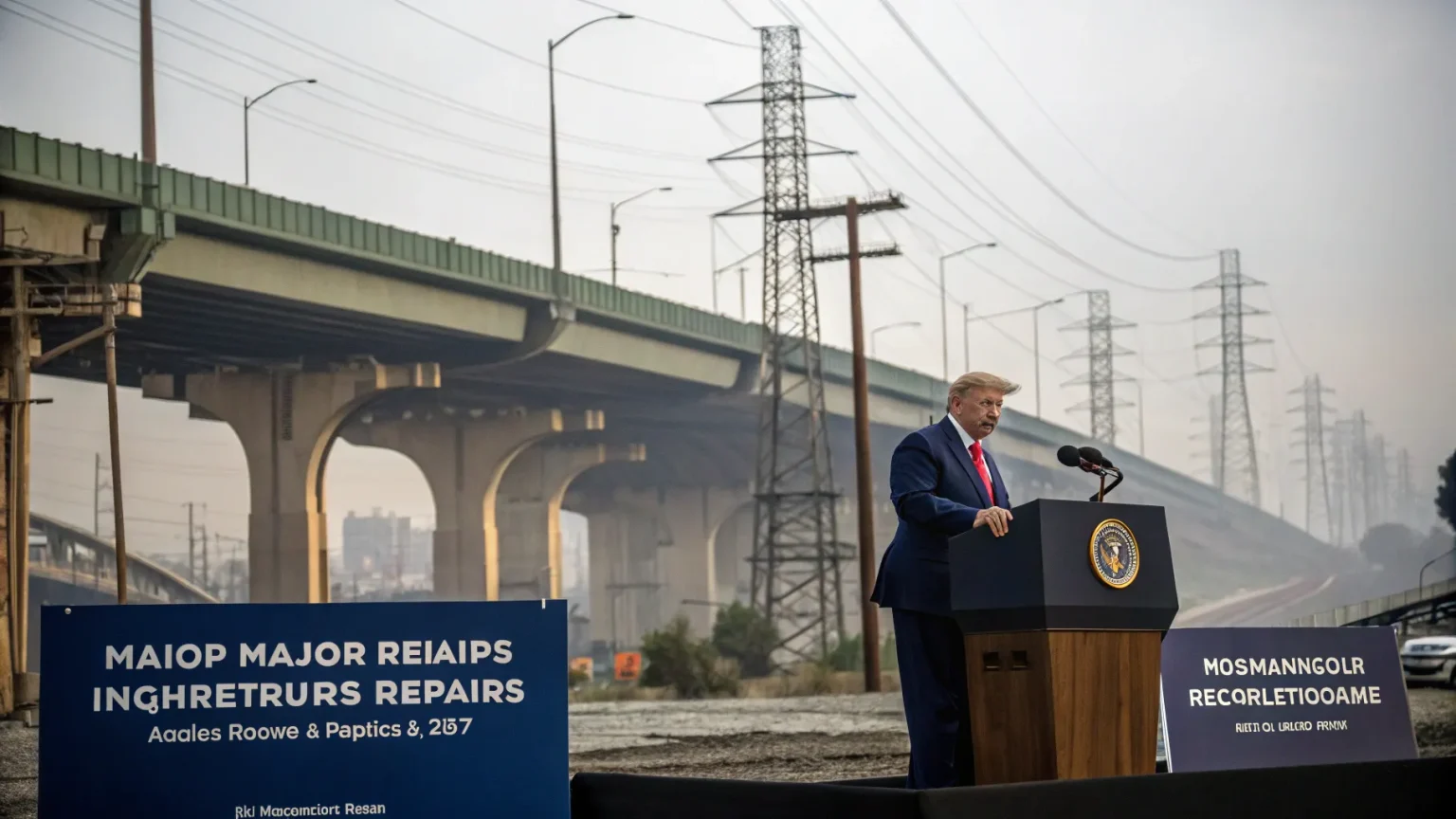
The President warned that major repairs to the nation’s roads, bridges, and utilities will require large new spending, sharpening a debate over how to pay for long-delayed fixes. In recent remarks, the head of state said the country faces mounting costs as aging systems strain under heavier use and extreme weather. The comments set the stage for a policy fight over timing, funding, and priorities.
The President said a “tremendous amount of money” will need to be spent repairing the country’s infrastructure.
Pressure has built for years as maintenance was postponed and construction costs rose. Local officials have flagged safety risks, congestion, and water quality concerns. Business groups warn that weak infrastructure drags on growth and pushes up prices for goods and services.
Why the Bill Is Growing
Much of the country’s core infrastructure dates back decades. Many roads were designed for lighter traffic. Water pipes and treatment plants face wear that invites leaks and service disruptions. Power lines and substations are tested by heat waves and storms.
Officials also point to damage from flooding, hurricanes, fires, and drought. Each event adds new repairs to old backlogs. Construction materials have become more expensive. Labor shortages can slow projects and raise bids.
Experts say deferring maintenance often leads to higher costs later. Small cracks can become structural failures. Minor upgrades can turn into full replacements if left unattended. The President’s warning reflects these compounding pressures.
Funding Options And Trade-Offs
How to pay remains the central question. Lawmakers and budget analysts are weighing options that spread costs over time and across users.
- Public funding: Reprioritizing budgets, issuing bonds, or setting up dedicated infrastructure funds.
- User fees: Tolls, congestion charges, or revised fuel and road-use fees.
- Public–private partnerships: Private capital in exchange for long-term revenue agreements.
- Targeted grants: Direct aid to high-need regions or critical assets like bridges and water systems.
Fiscal hawks warn that large new borrowing could add to deficits and stoke inflation. They urge tighter project selection and strict oversight. Construction leaders argue that delays will only raise costs and risks. Community groups call for fair funding that does not burden low-income families.
Competing Priorities On The Ground
Transportation agencies see urgent needs in busy corridors where delays and crashes are frequent. Water managers point to aging mains and treatment systems that threaten public health. Grid operators warn that outages are more likely during severe weather.
Environmental advocates want projects that cut emissions and improve climate resilience. They support green design, natural flood control, and heat-resistant materials. Labor unions highlight the chance to create steady, skilled jobs. They seek strong labor standards and training programs.
Local leaders stress that small towns often lack the staff to plan and manage complex projects. They ask for technical help, not only money. Equity concerns are also front and center. Neighborhoods long bypassed for upgrades want fair attention and transparency on timelines.
Accountability And Results
Any national effort will face close scrutiny. Watchdogs will look at procurement, change orders, and on-time delivery. Strong cost controls and public dashboards can build trust. Clear criteria can help select projects with the largest public benefit.
Safety gains may show first in bridges and roads with known defects. Water system investments could reduce leaks and lower bills over time. Grid upgrades may cut outage hours and speed recovery after storms. Measurement will matter to prove value for money.
What To Watch Next
Policy signals in the weeks ahead will reveal scope and pace. The administration may outline priority sectors, regional allocations, and timelines. Lawmakers will test public appetite for fees, borrowing, or a mix of tools. Businesses will look for clarity to plan investments and staffing.
The President’s warning frames a simple choice: pay more now or face higher costs later. The coming plan will show how the country balances safety, affordability, and speed. Watch for details on funding, oversight, and the first wave of projects.
If leaders align on a clear path, the work could create jobs, reduce delays, and strengthen systems against extreme weather. If they do not, the repair bill is likely to grow, and the risks will grow with it.


