

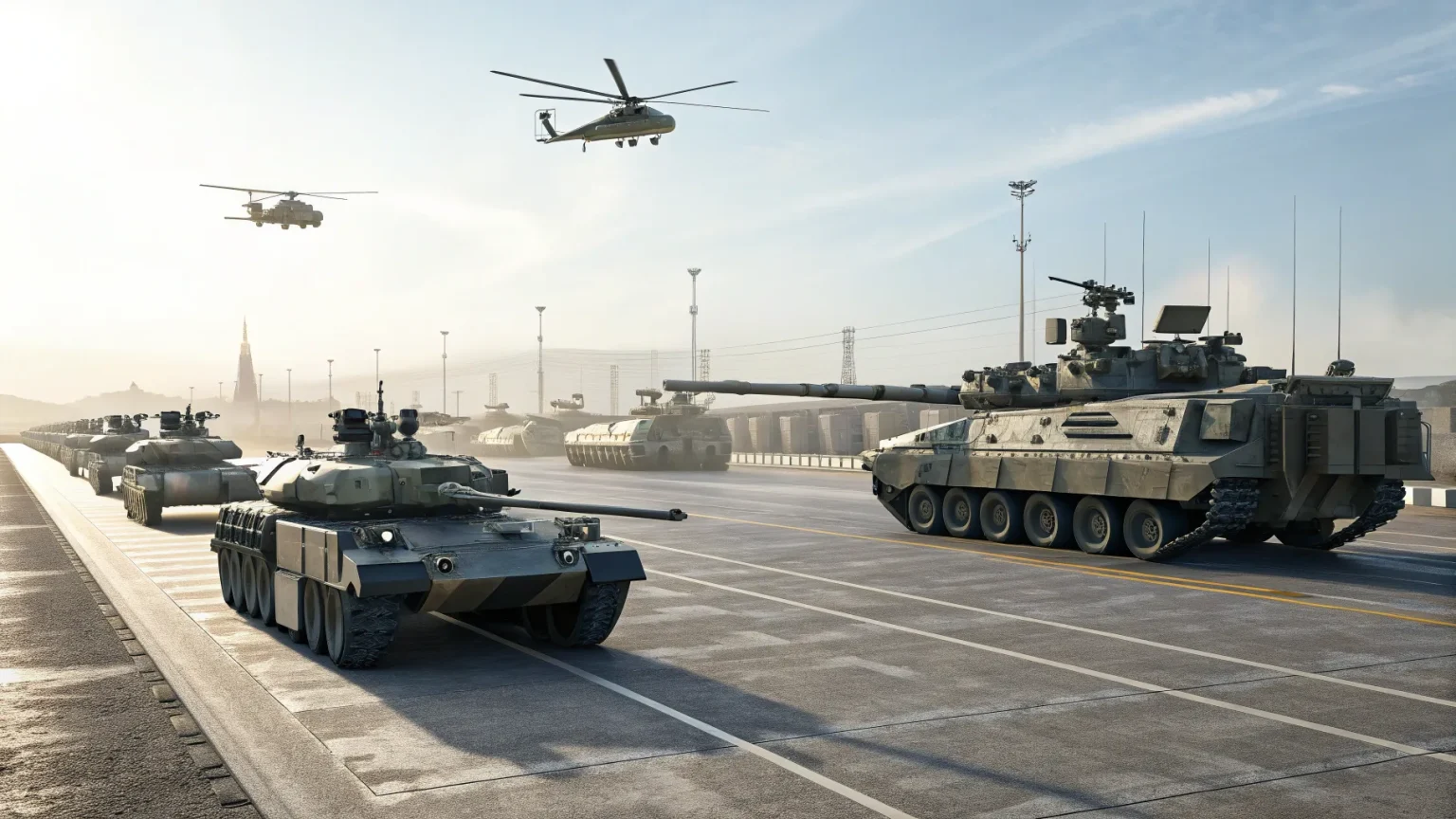
Amid rising tensions on the subcontinent, industry voices in India say a new wave of demand is lifting the defense sector. The claim follows recent hostilities with Pakistan and signals a faster push on procurement, local manufacturing, and border infrastructure. At stake are jobs, budgets, and national security priorities as New Delhi weighs speed against accountability.
“The recent war with Pakistan has infused new energy into the sector.”
The remark sums up a mood seen across defense manufacturers and suppliers. It also raises questions about fiscal pressures and the long-term path for local industry.
Historical Context and Policy Backdrop
India and Pakistan have faced repeated periods of conflict since partition. Major wars broke out in 1947–48, 1965, and 1971, followed by the Kargil conflict in 1999. Skirmishes and cease-fire violations have occurred at intervals, keeping defense readiness central to policy.
In recent years, India pushed to grow domestic defense production. Reforms included higher limits on foreign investment, new procurement categories, and support for private firms. Officials have promoted local design in areas like artillery, missiles, drones, and secure communications.
These moves were aimed at cutting import dependence, improving supply chains, and nurturing high-skill jobs. Tensions on the border tend to speed up these plans, driving urgent orders and trials.
Orders, Production, and Supply Chains
Companies across the defense value chain report tighter timelines and bigger workloads. Suppliers of sensors, optics, composites, and propulsion say they face faster qualification cycles and more frequent audits.
Manufacturers see greater demand for surveillance drones, counter-drone systems, artillery upgrades, and electronic warfare gear. Night-vision equipment and hardened communications also draw interest from forces tasked with round-the-clock patrols.
- Short-term: accelerated procurement and trials.
- Medium-term: capacity expansion and hiring.
- Long-term: deeper local sourcing and exports.
Executives caution that supply chain gaps persist in critical components. Dependence on imported sub-systems can slow delivery during crises. Firms are seeking second sources and building inventory to absorb shocks.
Economic Boost Meets Budget Stress
More orders can lift factories and create skilled jobs. States with defense corridors may see gains in fabrication, testing, and maintenance work. Training institutes report higher interest from engineering graduates.
But an accelerated push also strains budgets. Emergency buys and rapid trials cost more. Auditors and lawmakers often press for transparency on pricing, offsets, and performance milestones.
Economists warn that high capital spending must fit with broader social needs. They argue for better phasing of projects and clearer reporting on life-cycle costs, not just the initial purchase price.
Security Gains and Strategic Risks
Advocates say renewed focus on readiness improves deterrence and reduces vulnerabilities along sensitive borders. Upgraded surveillance and logistics can shorten response times and protect troops.
Critics counter that a rush to buy can crowd out careful testing. They fear misallocation if purchases outpace training, doctrine updates, and integration across services. Civil society groups also warn of escalation risks if both sides engage in signaling through deployments.
Retired officers often call for balance. They support stronger local industry but emphasize joint planning, interoperability, and realistic field trials. They urge disciplined procurement driven by mission needs rather than headlines.
What to Watch Next
Several markers will show whether the current momentum turns into sustained gains:
- Whether procurement plans shift from emergency buys to steady, multi-year schedules.
- Progress in localizing critical sub-systems and securing second sources.
- Evidence of faster testing without sacrificing safety and reliability.
- Clearer public reporting on costs, delivery, and performance.
- Any confidence-building steps that lower the risk of renewed clashes.
The statement that the conflict has energized the sector captures the current push. It also highlights the trade-offs now facing policymakers. If officials match speed with sound oversight and training, the benefits could endure. If not, short-term gains may give way to cost overruns and gaps in readiness. The next budget cycle, new tenders, and field trials will show which path takes hold, and whether industry momentum can align with long-term security and fiscal stability.


