

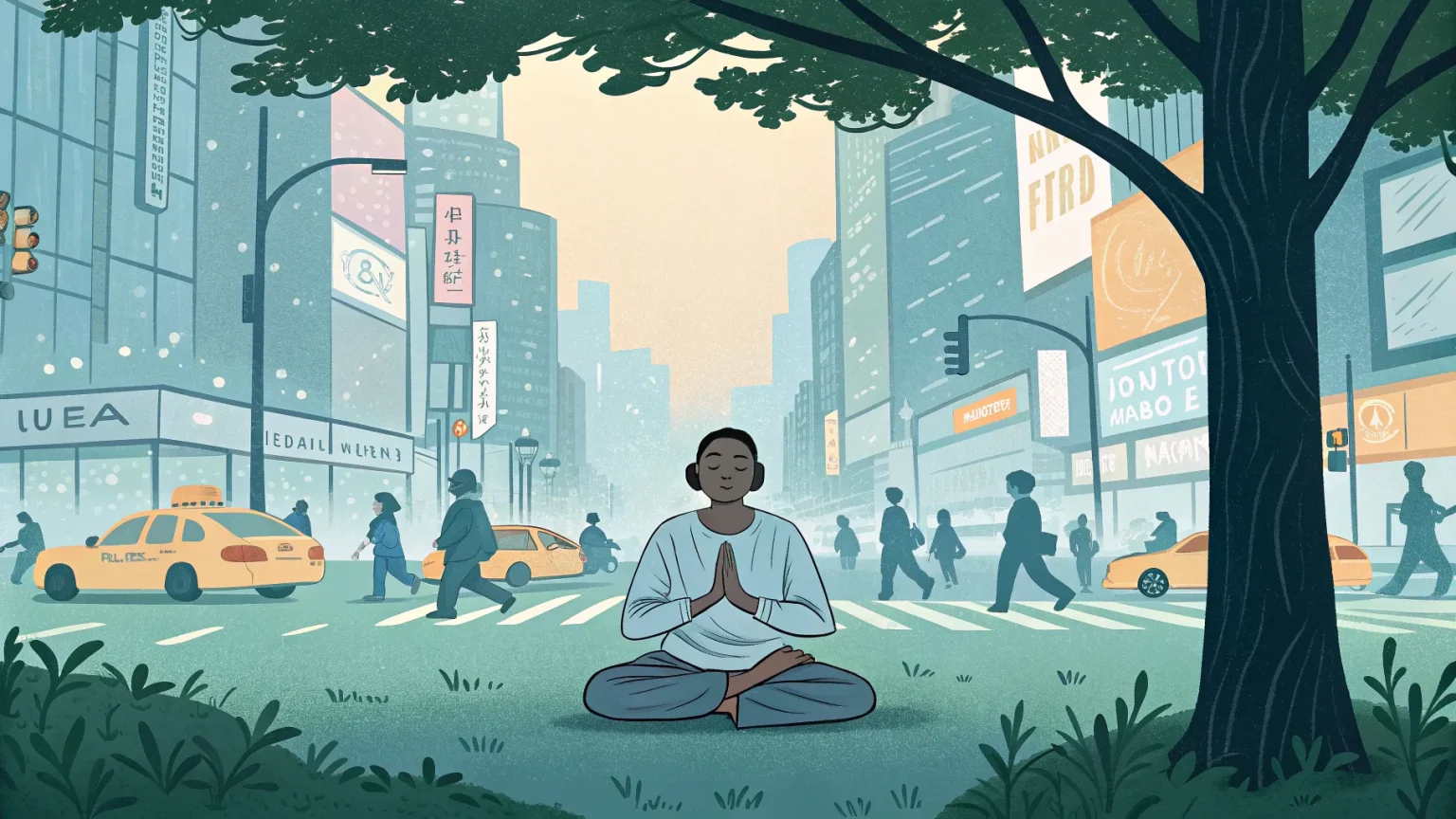
Meditation is not a luxury for quiet mornings; it is a daily requirement. My stance is simple: if you think you are too busy to meditate, you need it most. As Chairman of the Napoleon Hill Institute and former CEO in pro sports, I’ve learned the hard way. The busier the calendar, the louder the mind. That is exactly when we must return to center.
The issue matters because pressure is breaking people. We blame work, family, and money. Yet the real culprits are hidden. Pressure is an illusion created by time and ego. When we understand that, the weight begins to lift.
The Car On the Hill—and Why We Crash
Finding center is like holding a car at the top of a hill. It stays there with minimal effort. But once it starts rolling, everything gets harder. That was my life for decades. I let the car roll, day after day, until it crushed me. Many of you know that feeling—when getting out of bed feels impossible.
“If you don’t think you have enough time to meditate, you’re missing the point as I did for thirty five years of my life.”
“Feeling pressure is an illusion that can be alleviated immediately by understanding its causes. And the causes are time and ego.”
My core belief: staying at center must come first, not last. Meditation is how I reset, observe, and choose again. Without it, the car rolls. With it, small pushes keep me steady at the top.
Time and Ego: The Two Triggers
Time tricks us. We think there is never enough. Deadlines speed up the mind, and rushing becomes a habit. Ego tricks us, too. It wants to be right, offended, separate, superior, or fearful. Those states drain energy and send the car downhill.
When I feel off-center, I run a simple check: Is time causing it? Is ego causing it? If yes, I pause. Awareness dissolves pressure. Not by magic, but by choice. I choose to reset before the momentum wins.
How I Return to Center
Here is what keeps me steady and productive without burning out. These are simple, not easy. But they work.
- Two minutes of stillness when stress spikes. Eyes closed. Breathe. No phone.
- Label the trigger: time or ego. Name it, and it loses power.
- Visualize the car at the top. One small push back to neutral.
- Set a floor, not a ceiling: at least three minutes of daily meditation, no excuses.
- Return often. Ten resets a day beat one long session once a week.
These habits are insurance. They are small, repeatable, and instant. They keep the day from becoming a runaway truck.
What About Hustle?
Some argue that pressure fuels performance. I used to preach that. I was wrong. Pressure may spark short bursts, but it sabotages long runs. The best leaders, athletes, and builders perform from center. They are calm, clear, and consistent. They do not trade peace for points.
Hustle without center is panic in disguise. Hustle with center is focus.
A Personal Choice With Immediate Payoff
This isn’t theory for me. It is survival and success. The day I stopped ignoring meditation, the day I stopped letting time and ego run the show, everything shifted. I worked better. I slept better. I led better. Most important, I felt better.
You will not find more time by doing more. You will find it by creating space. Start small. Start now. Stay at the top of the hill.
Final Thought
Meditate today, even for three minutes. When you feel the slide, pause and ask: time or ego? Push the car back to the top. Do it again tomorrow. That is how pressure loses and you win.
Frequently Asked Questions
Q: How can I start meditating if my schedule is packed?
Begin with three minutes, twice a day. Sit, breathe, and observe. Put it on your calendar like a meeting you cannot miss.
Q: What signs tell me I’m off center?
Look for rushing, irritation, the need to be right, and constant phone checking. Those are early signals that time or ego is driving.
Q: What should I do in the middle of a stressful moment?
Close your eyes for two minutes. Breathe in for four, out for four. Name the trigger—time or ego—then choose a calmer next step.
Q: How long should meditation sessions be to help with pressure?
Short and frequent beats long and rare. Aim for 3–10 minutes per session and return as often as needed during the day.
Q: Can pressure ever be helpful for performance?
Short spikes can motivate, but chronic strain harms decisions and health. The best results come from steady effort anchored in calm.


