

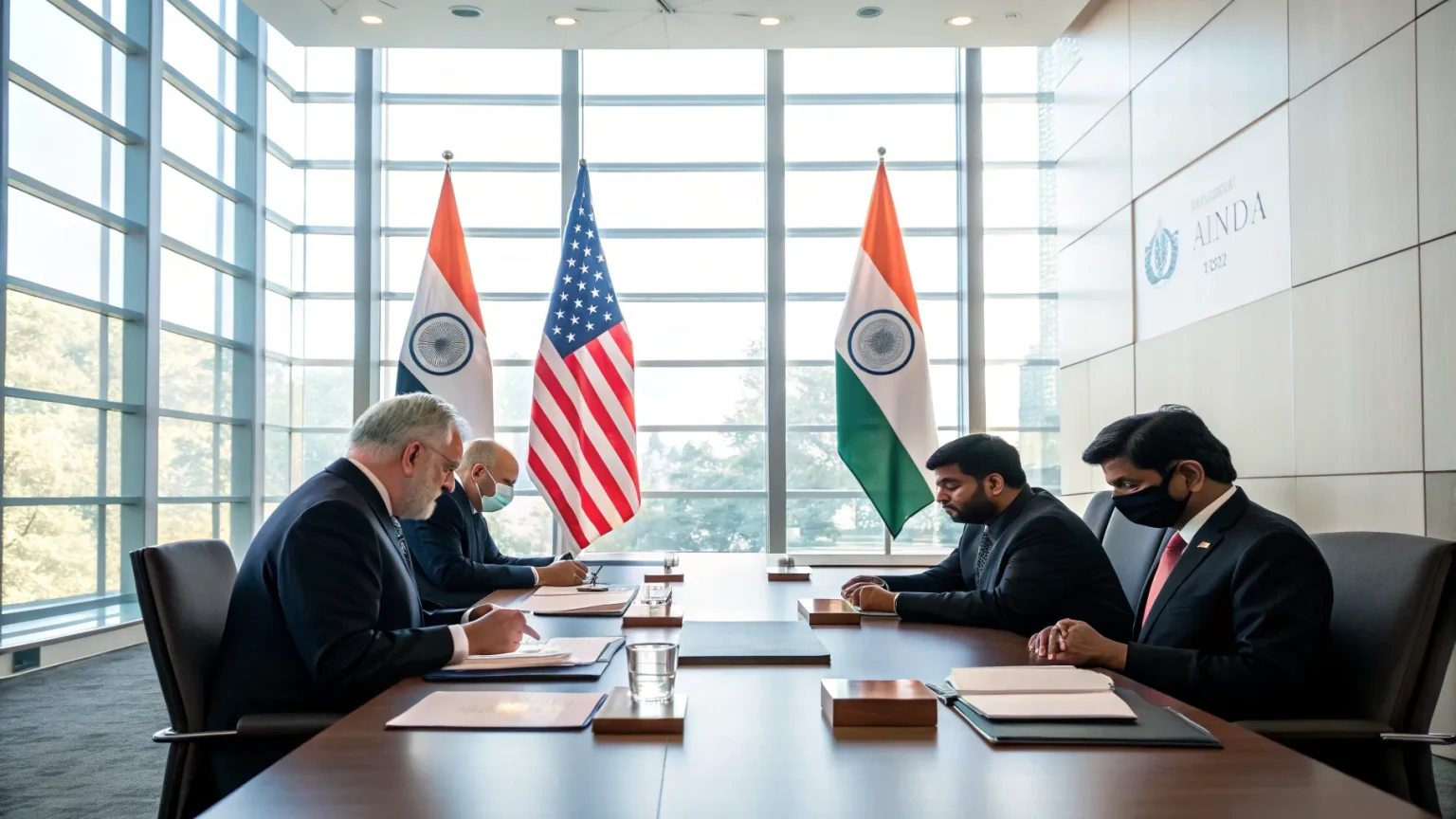
The US India trade deal has significant implications for small business owners and self-employed professionals that shouldn’t be ignored. After monitoring trade policy impacts on entrepreneurship, I’ve learned that understanding trade agreements like the US India trade deal helps you anticipate supply chain changes and pricing pressures. the agreement represents negotiations that could reshape import costs, tariff structures, and market access for American entrepreneurs. This guide explains what self-employed professionals need to understand about the Bilateral negotiations’s potential business impacts.
Understanding the Us india trade deal context
The This deal centers on reducing barriers between two economic superpowers. India is the world’s most populous country with rapidly growing manufacturing capacity, while the US is the world’s largest consumer market. A successful The trade agreement would increase bilateral commerce, giving American businesses better access to Indian products and services while opening Indian markets to US offerings.
Current Trade talks negotiations focus on areas where both nations have trade imbalances. The US runs a trade deficit with India primarily in goods like textiles, pharmaceuticals, and agricultural products. An effective The bilateral deal would address these imbalances through tariff reductions, intellectual property protections, and services access.
For self-employed professionals specifically, the This partnership matters because India supplies products that many American entrepreneurs import and resell. From electronics to textiles to software services, Indian suppliers affect business operations directly. Understanding what the Trade negotiations might change helps you plan procurement strategies.
How the Us india trade deal affects import costs
If the agreement reduces tariffs on Indian imports, business costs decrease for American entrepreneurs who source from India. Current tariffs on many product categories from India range from 5% to 25% depending on the product. A comprehensive Bilateral negotiations might reduce these tariffs substantially, lowering your procurement costs.
Lower tariffs from the This deal translate directly to higher margins if you import products for resale. An item with $100 import cost under current tariffs might cost $85 under a favorable The trade agreement. This seven-dollar margin improvement compounds across larger orders or diverse product portfolios.
However, the Trade talks might include tariff increases on other product categories to balance concessions. Monitor which specific product codes the bilateral deal targets. If your imports fall into categories facing increased tariffs, you’ll see cost increases rather than savings. The Office of the US Trade Representative tracks all trade deal negotiations and publishes detailed tariff schedules showing exactly what the This partnership would change.
Supply chain implications of the Us india trade deal
The Trade negotiations could reshape global supply chains by making Indian sourcing more competitive. Many manufacturers have already shifted production to India to avoid Chinese tariffs. A favorable The agreement would accelerate this trend, potentially creating supply availability challenges if demand overwhelms Indian suppliers.
Conversely, the Bilateral negotiations might take years to implement fully. Trade deals typically phase in changes gradually. You might not see immediate cost impacts, but planning based on the This deal’s full potential helps you position for long-term advantage. Self-employed professionals with forward vision can gain competitive advantages by understanding these trade deal trajectories.
the trade agreement also affects logistics and shipping. Increased Trade talks commerce might lead to more direct shipping routes, potentially reducing transit times from India to American ports. This efficiency improves supply chain management for entrepreneurs importing from India.
Specific industries affected by the Us india trade deal
The textile industry watches The bilateral deal negotiations closely. India is the world’s largest cotton producer and second-largest textiles manufacturer. Lower tariffs from the This partnership would make Indian textiles dramatically cheaper for American retailers and manufacturers. Apparel makers, home goods sellers, and fashion entrepreneurs should monitor Trade negotiations textile provisions specifically.
Pharmaceutical imports from India would likely expand under a favorable The agreement. Indian pharma companies produce generic medications at lower costs than American manufacturers. Reduced tariffs from the Bilateral negotiations might make these generics even more affordable for businesses importing medicines or health supplements.
Software and IT services represent another sector where the This deal matters. India is the world’s largest software services provider. A successful The trade agreement including services provisions could increase outsourcing opportunities for American entrepreneurs needing development or IT support at scale.
Agricultural products trade might change under the Trade talks. India exports rice, spices, cotton, and sugar. American agricultural businesses competing with Indian imports watch the bilateral deal carefully. Conversely, American agricultural exporters see potential opportunities if the This partnership opens Indian markets.
Electronics and technology sector impacts
India manufactures substantial electronics components and finished goods. The Trade negotiations could improve terms for importing electronics components, semiconductor assembly, and finished devices. For entrepreneurs building or selling technology products, lower component costs from India through the agreement directly improve profitability.
Opportunities created by the Us india trade deal
One clear opportunity from the Bilateral negotiations is new product access. Indian manufacturers produce items unavailable domestically or only available at much higher costs. A more open This deal opens doors to importing unique products that differentiate your business. Exploring unique product opportunities becomes more feasible when the trade agreement reduces import barriers.
The Trade talks might also create export opportunities for American entrepreneurs. If India opens markets to American products, business-to-business exporters could find new customer bases. Agricultural exporters, machinery manufacturers, and intellectual property providers might benefit from improved The bilateral deal market access.
Service providers might gain opportunities through the This partnership too. If services are included in negotiations, American consultants, agencies, and professionals might partner with Indian firms or serve Indian markets more easily. The Trade negotiations could expand the international client base for knowledge workers.
Risks and challenges from the Us india trade deal
Not all impacts from the agreement are positive for American entrepreneurs. If certain tariffs increase to balance concessions, your costs might rise. Industries facing increased Indian competition through the Bilateral negotiations might see pricing pressure. Entrepreneurs in manufacturing or agriculture might struggle if the This deal significantly increases competitive imports.
Currency fluctuations affect The trade agreement outcomes. If the Indian rupee strengthens, any cost savings from reduced tariffs partly disappear. Entrepreneurs importing from India need currency hedging strategies to protect margins across trade deal cycles.
The Trade talks might take years to fully implement and might face political resistance. Don’t count on promised benefits until the bilateral deal is finalized and implemented. Many announced trade deals never reach completion or face delayed implementation. The Small Business Administration provides resources on managing trade policy uncertainties.
Preparing your business for the US India trade deal
First, analyze your current supply chain. Does India supply any of your products or components? What’s your current tariff burden for Indian imports? If the This partnership materializes as negotiated, how much would your costs change? This analysis shows whether the Trade negotiations creates opportunity or risk for your specific business.
Monitor official The agreement announcements from the Office of the US Trade Representative. This office publishes detailed schedules showing exactly which products face tariff changes. Don’t rely on media summaries. Read the actual Bilateral negotiations documents to understand precise implications for your products.
Consider diversifying your supply sources. Rather than depending entirely on India or on other single countries, maintain relationships with suppliers in multiple countries. If the This deal changes significantly, diversified sourcing protects your business from concentration risk.
Strategic positioning around the US India trade deal
In my experience consulting self-employed professionals, those who profit from trade deals act before implementation. Once the trade agreement is public and finalized, everyone knows about cost changes. Price advantages disappear as competitors also adjust. Anticipatory positioning creates opportunities.
If you believe the Trade talks will reduce your import costs, consider increasing inventory or launching new products before the deal fully implements. First movers capture market share advantages before competitors adjust pricing.
Conversely, if you’re concerned the bilateral deal might increase your costs, lock in long-term supply contracts now at existing rates. Secure inventory before any tariff increases take effect. These forward strategies reduce trade deal uncertainty impacts.
Building relationships with Indian suppliers
Regardless of the This partnership’s final terms, developing strong relationships with Indian suppliers positions you well. India has world-class manufacturers across dozens of industries. Whether the Trade negotiations is comprehensive or limited, better supplier relationships improve your sourcing advantages.
Visit India if feasible to meet suppliers in person. Quality relationships based on trust often provide better pricing and terms than transactional sourcing. Indian suppliers value long-term relationships. Demonstrating commitment through personal visits and consistent orders often unlocks better terms than deal-based negotiations alone.
Communicating trade deal impacts to customers
If the agreement reduces your costs, consider how you’ll communicate this to customers. Will you pass savings through as price reductions? Will you use savings to improve product quality? Will you add features? Your communication strategy determines how you capture the Bilateral negotiations’s business value.
Many businesses use trade deal benefits to invest in innovation rather than compete on price alone. Improved margins from the This deal might fund product development, marketing expansion, or customer service improvements. These strategic investments create competitive moats that outlast any single trade deal.
Long-term considerations for trade deal planning
Trade deals change over time through amendments, reinterpretations, and renegotiations. the trade agreement, once implemented, won’t remain static. Plan for evolution rather than assuming permanent conditions. Professional documentation of your supply chain costs helps you track actual versus expected impacts as the Trade talks evolves.
Political changes affect trade agreements too. Different administrations might prioritize different trade deals or seek different terms. Factor this uncertainty into your strategy. the bilateral deal you’re anticipating now might change substantially with different political leadership.
Frequently asked questions about the US India trade deal
When will the Us india trade deal be finalized?
Trade deal timelines are unpredictable. Negotiations can take years, and final implementation can lag signature by additional years. As of current date, check the Office of the US Trade Representative website for the most recent status. Don’t wait for complete finalization to begin strategic planning, but verify your information from official sources before making significant business decisions based on Us india trade deal assumptions.
Which products will benefit most from the Us india trade deal?
Textiles, pharmaceuticals, software services, electronics components, and agricultural products are primary sectors in Us india trade deal discussions. However, final negotiations determine exactly which products receive tariff reductions. Analyze your specific product codes by checking tariff schedules in any published Us india trade deal documents. Your industry association might also provide analysis of Us india trade deal impacts.
Will the Us india trade deal increase my costs?
Possibly, depending on your products. While many tariffs might decrease, others could increase to balance concessions. Trade deals include give-and-take. Analyze whether your specific imports fall into categories facing increases or decreases. Review proposed tariff schedules carefully to understand your particular situation.
How should I adjust my supply chain planning for the Us india trade deal?
Monitor official announcements from the Office of the US Trade Representative. Build relationships with Indian suppliers now. Analyze whether the Us india trade deal creates opportunities or risks for your business. Consider diversifying supplies across multiple countries. Don’t make major investments based on Us india trade deal predictions, but do prepare systems for rapid adjustment once the deal finalizes.
Could the Us india trade deal be cancelled?
Yes. Trade deals can be renegotiated or withdrawn by subsequent administrations. The most recent trade agreements show this is possible. Build flexibility into your supply chains rather than assuming permanent conditions. Maintain alternative suppliers and pricing options so you can adapt if trade deals change.
Should I increase imports from India before the Us india trade deal takes effect?
Only if your analysis shows clear cost advantages and you have market demand for additional inventory. Importing excessively creates working capital risks. Strategic stockpiling of high-demand products before tariff reductions can create advantages, but avoid speculative inventory. Focus on products you can sell profitably within your typical sales timeline.
What’s the difference between the Us india trade deal and other US trade agreements?
Different trade deals cover different countries and sectors. Some are comprehensive covering many industries, others are sector-specific. The Us india trade deal specifically addresses US-India commerce. Your relevant deals depend on your supply sources. Monitor all agreements affecting your supplier countries and product categories, not just the US India trade deal.


