

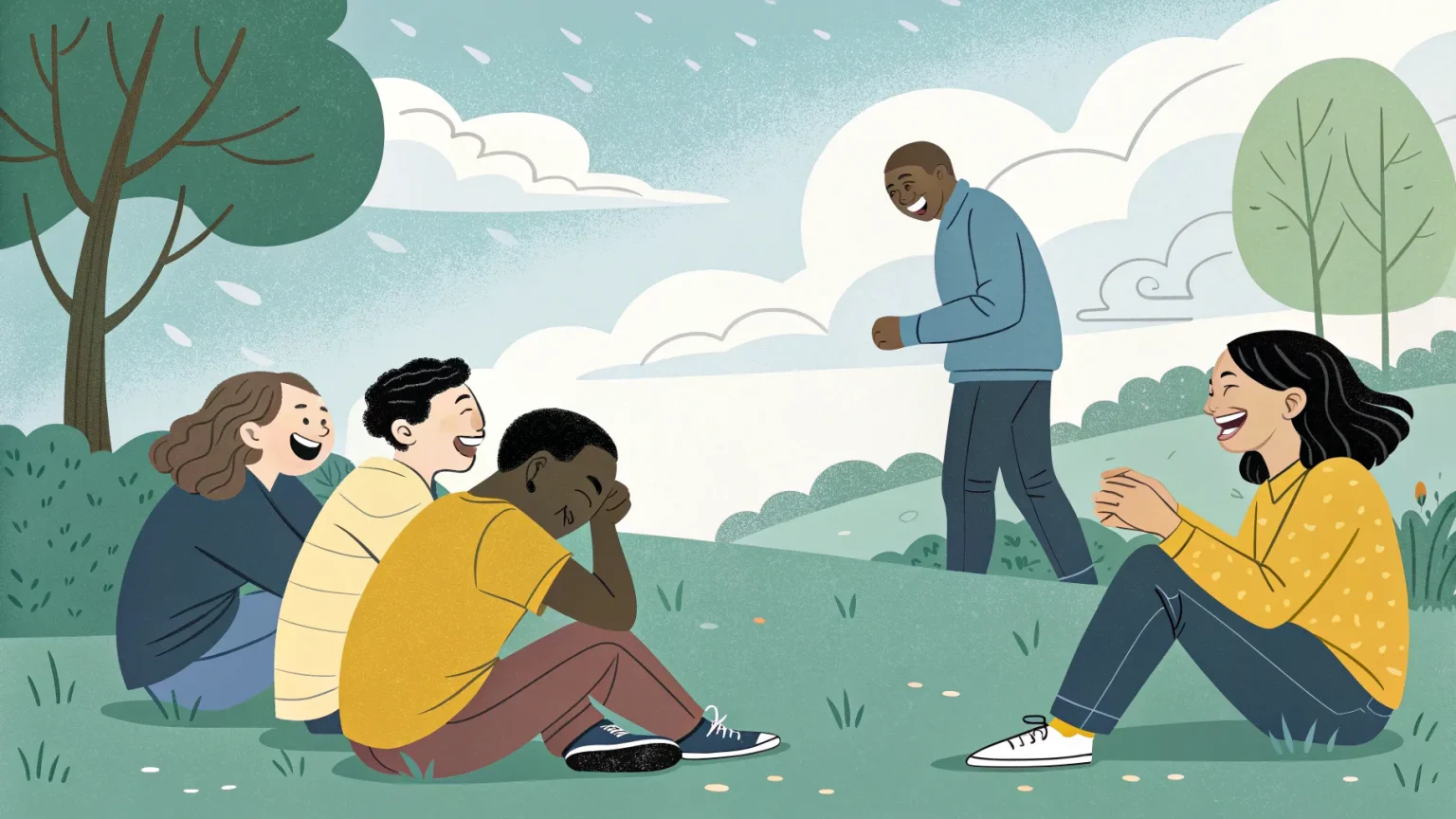
I’ve spent decades coaching leaders, athletes, and founders through conflict. One truth has held up across boardrooms, locker rooms, and homes: happy people don’t attack you. When someone lashes out, it’s almost never about you. It’s about their pain.
“Happy people don’t attack you. It’s almost physically impossible.”
“If somebody attacks you for one reason, they are not happy with themselves. Has nothing to do with you.”
That’s my stance. And it’s not soft. It’s strategy. If you want to win long term—in business, in family, in life—stop taking every jab as a verdict on your worth. Start seeing it as a signal of the other person’s state.
The Core Idea: Pain Projects, Joy Protects
Attacks are projections, not verdicts. People who are laughing, connected, and aligned do not spend energy tearing others down. They don’t have the time, the need, or the appetite for it. Happy people build. Unhappy people blame.
When someone comes at me with anger or sarcasm, I don’t match fire with fire. I check my own state first. If I’m steady, I can respond with clarity. That’s not weakness. That’s control.
The most common mistake is personalizing someone else’s storm. You make their pain your identity. That’s a bad trade. Your peace is your greatest asset. Guard it.
How I Practice This Under Pressure
This approach sounds simple. It isn’t always easy. I’ve run agencies, coached elite performers, and made hard calls that cost money and relationships. The pattern still holds. When I respond to attacks with calm and curiosity, outcomes improve. When I escalate, everything gets worse.
- Pause before reply: I give it five breaths. No instant emails. No instant texts.
- Check the source: Are they under pressure? Did something trigger them outside of this moment?
- Ask one clarifying question: “Help me understand what’s behind this.”
- Set a boundary: Calm tone, firm line. “I’m open to feedback, not abuse.”
- Move forward: Decide—resolve it, return later, or walk away.
These steps reduce drama and recover time. They also protect relationships worth saving.
What About Real Harm?
Let’s be clear. This is not a pass for bad behavior. It’s a way to handle it well. Compassion does not cancel accountability. You can hold a standard and still refuse to take the insult personally.
Some people argue that tough environments require tough responses. I agree—with a twist. Tough doesn’t mean reactive. Tough means ready. It’s stronger to stay steady, set terms, and act with purpose. Rage wastes energy. Standards convert it.
Evidence in Daily Life
Think about the happiest people you know. They laugh a lot. They listen. They forgive quicker. They still face problems, but they don’t use others as a punching bag. The science backs this up: higher positive affect links with lower aggression and better impulse control. You don’t need a study to feel that truth.
In my own teams, when stress spikes, conflicts spike. Results dip. Once we refocus on gratitude, clear goals, and consistent routines, the tone changes and performance follows. Joy isn’t fluff—it’s fuel.
A Better Way to Lead and Live
Here’s the challenge I give to clients and students. When you’re attacked, treat it as data. Ask, “Is this about me or their pain?” Then choose your response instead of giving your power away.
- Protect your peace first.
- See the person, not just the problem.
- Hold standards without apology.
- Invest in habits that raise your joy: gratitude, exercise, service, and daily learning.
These actions raise your state. Elevated people make better choices. Better choices create better outcomes.
My view is simple and firm: Happy people don’t attack. Pain does. If you want fewer fights, build more joy. If you want better teams, model calm strength. If you want to lead, learn to stay kind and clear under fire.
Start today. Take one breath before you answer. Ask one calmer question. Draw one cleaner boundary. Do it again tomorrow. That’s how we turn conflict into progress.
Frequently Asked Questions
Q: How do I avoid taking attacks personally?
Pause, breathe, and label it: “This is their pain, not my identity.” Then respond with one clear question or set a boundary.
Q: Does compassion mean letting people off the hook?
No. You can be kind and firm. Hold standards, address behavior, and choose consequences without adding rage to the mix.
Q: What if the attacker is my boss or client?
Stay calm, protect your dignity, and redirect to facts. If the pattern continues, document and escalate, or decide to exit.
Q: How can I raise my own happiness so I don’t lash out?
Keep daily practices: gratitude, movement, learning, and service. Small wins add up and make you steadier under pressure.
Q: What’s a simple line to set a boundary?
Try: “I’m open to feedback. I’m not open to being attacked. Let’s talk solutions.” Short, calm, and clear.


