

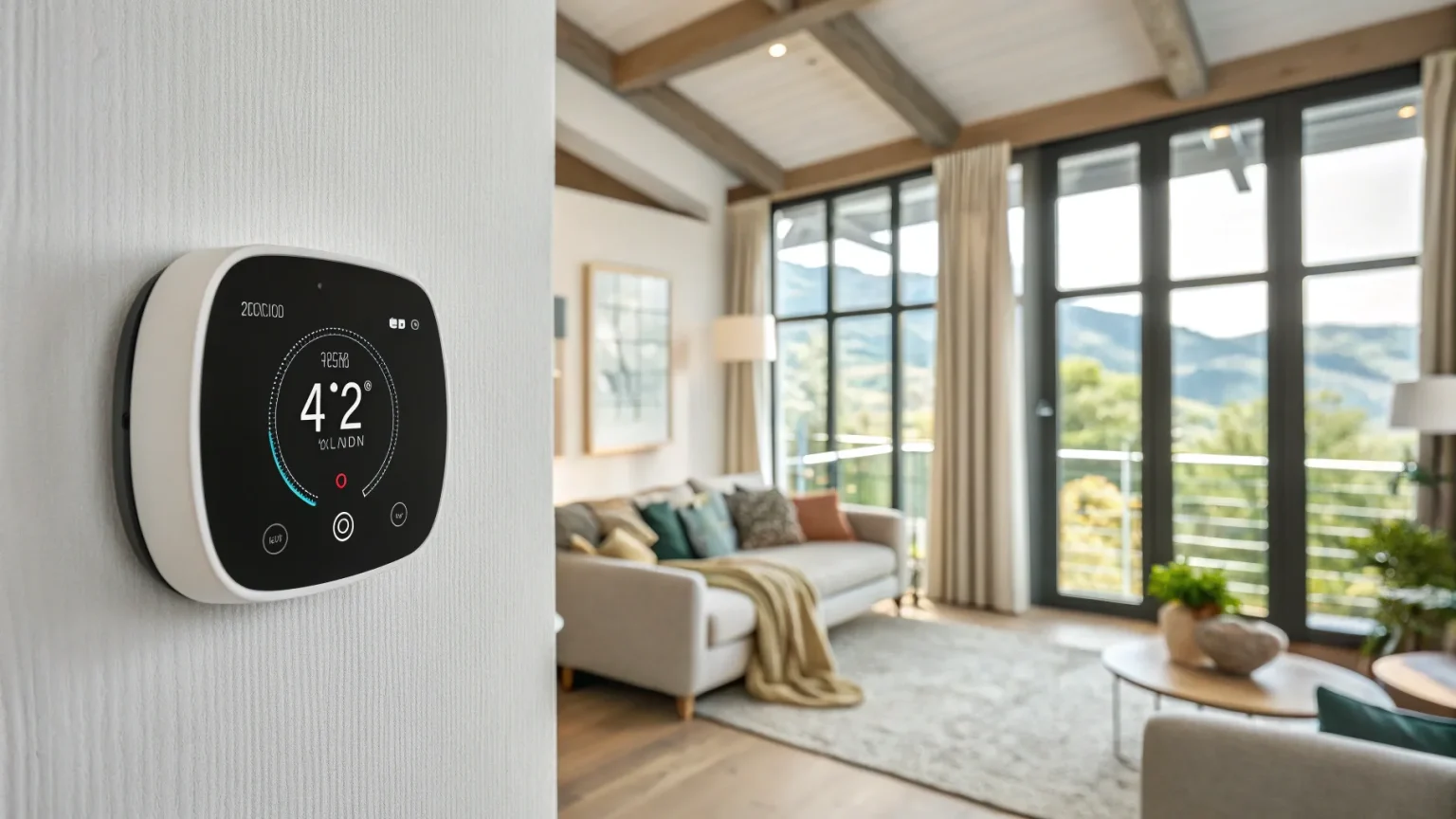
As energy prices climb and heat waves stretch power grids, more households are turning to automated temperature control to cut costs without giving up comfort. Advocates say the technology, often built into smart thermostats, can trim monthly bills while keeping rooms at steady temperatures. The approach is gaining attention as utilities seek demand reductions and families look for savings ahead of winter and summer peaks.
One concise claim captured the appeal:
“Automated temperature control can help reduce utility bills while maintaining comfort.”
The idea is simple. Software adjusts heating and cooling when people are asleep, at work, or away. It restores preferred settings before they return. Done well, it lowers energy use while preserving a comfortable home.
Why Heating and Cooling Drive Costs
Heating and cooling are the biggest energy loads in many homes. Federal data show they often account for about 40% to 50% of household energy use, depending on climate and building type. That share rises during extreme cold and heat. Even small efficiency gains can deliver large savings over a year.
Utilities also face peak demand pressures during weather events. Lowering usage at those times can prevent outages and reduce the need for expensive peaker plants. That is where automated setbacks and time-based control can help.
How Automation Works
Modern thermostats use schedules, sensors, and sometimes geofencing. They learn routines or follow user-set programs. They can pre-heat or pre-cool when electricity is cheaper, then coast through high-price hours. Some models tap into utility demand-response programs to shift load during peak events.
Key features include:
- Automatic setbacks during sleep or away periods.
- Adaptive learning that fine-tunes schedules over time.
- Remote control and alerts via phone apps.
- Integration with occupancy sensors and weather data.
Evidence on Savings
Studies and company reports point to meaningful reductions. Analyses of smart thermostat programs often find double-digit percentage savings for cooling. Heating savings can vary by climate and home insulation.
Independent efficiency researchers report typical savings in the 10% to 20% range for combined heating and cooling when devices are set up correctly. Nest has reported average annual savings of about $130 to $145 per home in past evaluations. Ecobee has estimated up to 23% savings for some users. Results depend on baseline behavior, home size, and equipment.
Utilities that offer rebates say customer satisfaction is strong when comfort stays steady. “People stick with automation if the home feels good,” said a program manager at a Midwestern utility, describing retention rates above 80% in the first year of enrollment.
Comfort, Equity, and Privacy Concerns
Automation can fail if schedules are wrong or sensors miss actual occupancy. That can lead to rooms that are too warm or too cold. Clear setup and occasional tweak are important. Older HVAC systems may also short cycle if control logic is aggressive.
Upfront cost is another hurdle. Smart thermostats often range from $70 to $250 before rebates. Renters may not control their HVAC. Language and accessibility barriers can slow adoption.
Privacy remains a concern. Some models share data with utilities for demand-response events. Others collect occupancy patterns. Consumers want clear data policies and easy opt-out options. “Savings are appealing, but we need transparency on data,” said a housing advocate interviewed for this story.
Utility Programs and Policy Momentum
Rebates from utilities and states are common. They aim to accelerate adoption and manage peaks. Time-of-use rates and dynamic pricing increase the value of automation by rewarding off-peak usage. Weatherization and heat pump incentives stack with controls to amplify impact.
Cities and states are also pushing building performance standards. Automated controls can help owners meet targets with minimal disruption. As heat waves intensify, grid operators promote pre-cooling strategies that shift load away from the hottest hours.
What To Expect Next
Expect more integration across devices. Thermostats will coordinate with heat pumps, window shades, ceiling fans, and smart vents. Better occupancy detection and simpler setup should cut user error. Utilities will expand demand-response incentives as part of grid flexibility plans.
The biggest wins may come from pairing controls with basic fixes. Air sealing, duct repair, smart zoning, and filter changes can boost savings while improving comfort and air quality.
The bottom line is clear. Automated temperature control can deliver lower bills and steady comfort when installed and used well. Homes with high heating or cooling use stand to gain most. Watch for expanding rebates, easier setup tools, and tighter privacy standards. As extreme weather strains budgets and grids, smart control is becoming a practical first step for many households.


