

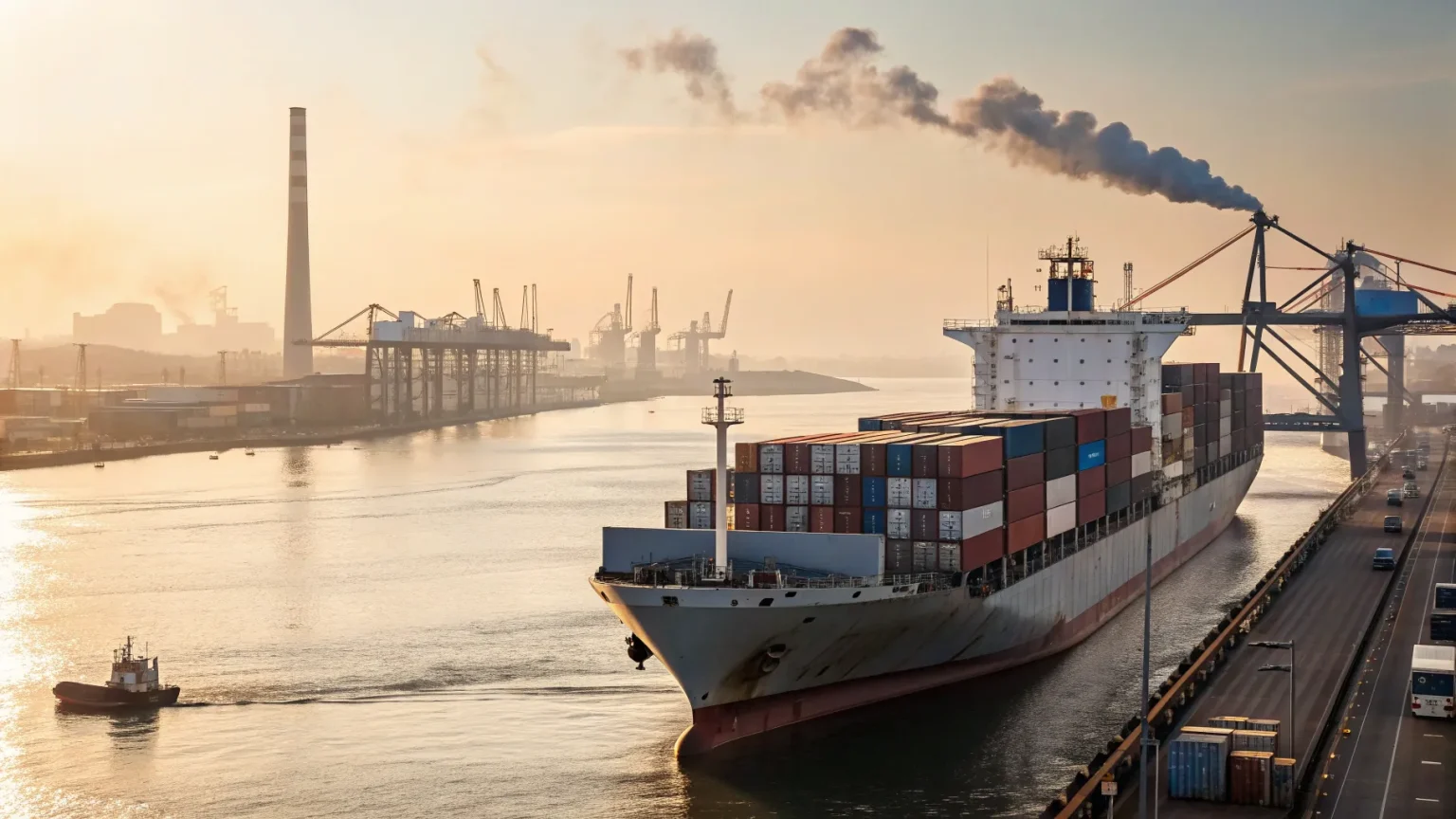
In a fresh escalation of trade measures, the White House moved in August to tax finished steel imports, signaling a tougher stance on foreign metal products and renewed support for domestic mills. The decision raises costs for importers and could ripple through construction, autos, and manufacturing as companies reassess pricing and supply chains.
“Trump tariffs ratcheted up in August as the White House taxed finished steel imports.”
The action builds on the 2018 national security tariffs on raw steel and aluminum, which set a 25% duty on most steel. The new focus on finished products targets items made from steel rather than only the inputs, aiming to close gaps that allowed some overseas producers to avoid earlier duties.
Why Finished Steel Is in Focus
Tariffs on raw steel raised the cost of basic inputs, but many finished steel goods—such as pipes, wire rod products, and structural components—entered through different classifications or channels. Targeting these items is meant to limit circumvention and support prices for domestic manufacturers that compete with imported finished goods.
Trade lawyers say this shift reflects a familiar pattern. After initial tariffs, global producers often redirect shipments into categories with lower duties or assemble materials into end products abroad. By extending taxes to finished items, the administration is tightening coverage and attempting to prevent workarounds.
A Policy with a History
Washington has used steel trade measures for decades, from safeguard actions in 2002 to anti-dumping and countervailing duties across multiple product lines. The 2018 tariffs were justified on national security grounds and set off retaliation from trading partners, while subsequent deals created quotas and exemptions with allies.
Manufacturers complained of higher costs, and economists reported mixed effects: steel mills benefited from higher prices and capacity utilization, while downstream industries absorbed added expenses and, at times, delays. Many companies hedged by diversifying suppliers or stockpiling inventories to guard against price spikes.
Industry Impact and Early Business Response
U.S. steel producers are likely to welcome the move. Tighter controls on finished steel can help preserve market share during periods of global oversupply, especially when demand softens. Integrated and mini-mill operators have invested in new lines and upgrades in recent years and want stable pricing to support those plans.
Downstream manufacturers face a different calculation. Builders, appliance makers, and auto suppliers that rely on imported components could see higher input costs or longer lead times. Some will look to pass costs to customers; others may rework contracts or seek domestic alternatives, where capacity and specifications allow.
- Construction firms could see higher bids for projects that use structural steel and rebar-heavy designs.
- Automotive suppliers may face cost pressure on stamped parts, fasteners, and tubing.
- Small manufacturers with thin margins may delay hiring or capital upgrades.
Trade Partners and Diplomatic Considerations
Tariffs on finished goods are likely to draw pushback from exporting nations, especially those that saw earlier exemptions or quota deals on raw steel. Trading partners may pursue product exclusions, negotiate quota adjustments, or consider targeted retaliation.
Any new friction could complicate supply lines already under stress from shipping disruptions and uneven global demand. It may also test recent efforts to coordinate with allies on curbing overcapacity and subsidized output from state-backed producers.
Prices, Inflation, and the Consumer Lens
Steel prices tend to react quickly to policy shifts. Futures and spot markets often rise on tariff news, then stabilize as traders assess exemptions and compliance. If higher costs filter through, they can nudge prices on big-ticket goods and infrastructure work.
For households, the pass-through is indirect and usually gradual. The larger effects show up in project budgets, municipal bids, and the cost of durable goods over time. Companies with long-term contracts may keep prices steady in the short run while renegotiating terms.
What Companies Are Watching
Businesses are focusing on three operational questions: which finished steel categories are covered, how the rules define assembly and origin, and how quickly exclusion requests will be processed. Clarity on those details will shape cost models and inventory plans for the rest of the year.
Trade compliance teams are preparing for tighter audits, while procurement officers review supplier lists to avoid potential customs delays. Domestic mills are tracking order books to gauge whether the policy lifts bookings for late-year production.
The decision to tax finished steel imports signals a more expansive approach to shielding the sector, with advantages for mills and challenges for downstream users. The next few months will show whether the policy boosts domestic output without putting too much strain on builders and manufacturers. Watch for pricing trends, exclusion rulings, and any diplomatic talks that could refine the scope of the measures.


