

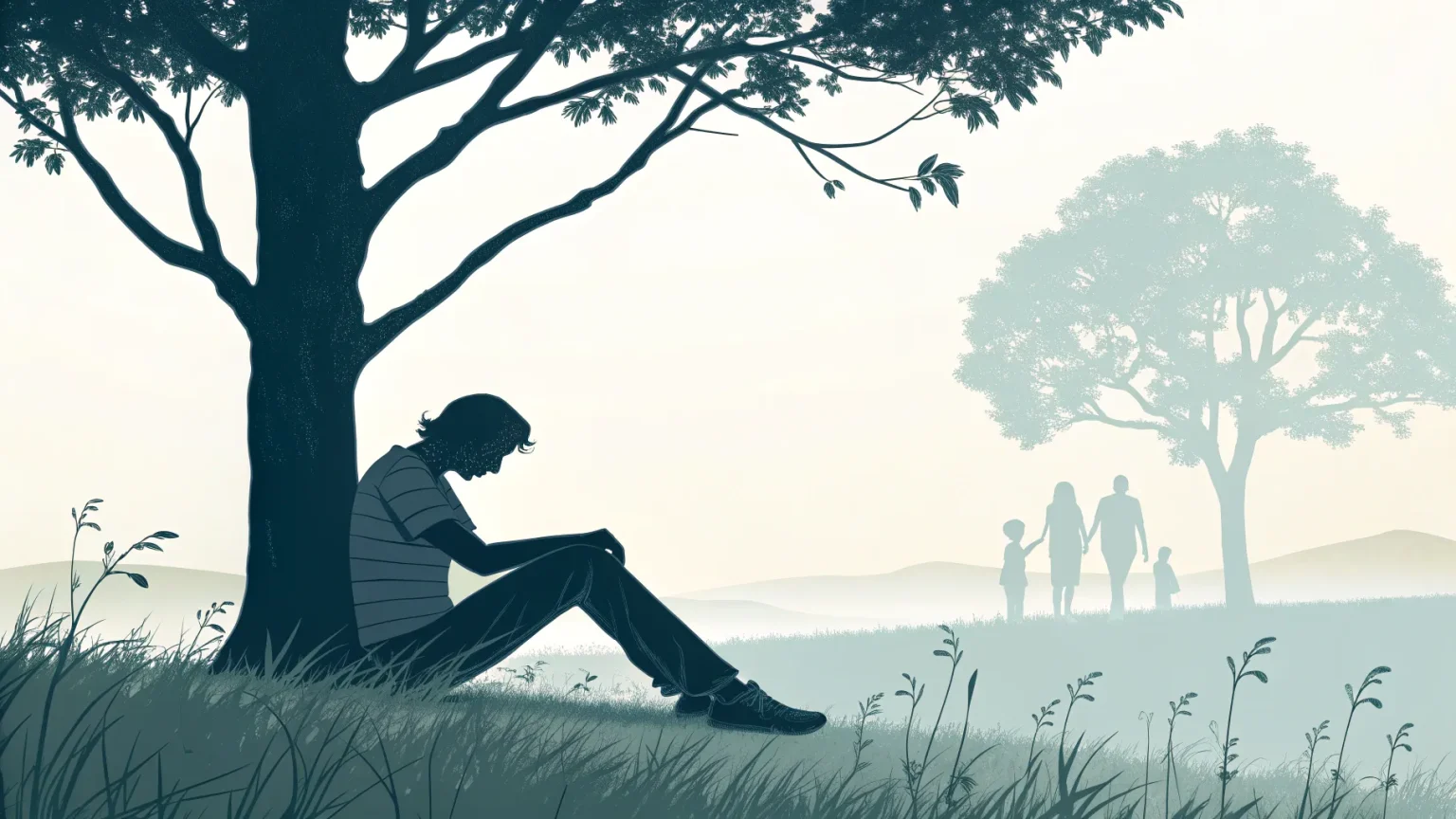
Learning how to recover from burnout changed the way I work, and I do not say that lightly. As someone who has run businesses while caring for family through serious health crises, I hit a wall where there was simply not enough of me to go around. If you are reading this while feeling depleted, I want you to know that recovery is possible, and it does not require you to abandon your responsibilities overnight.
This guide walks through how to recover from burnout in a way that fits a real, busy life. It is written for self-employed people and small business owners, who often carry the work, the worry, and the household all at once.
What burnout actually is
Burnout is more than ordinary tiredness. The World Health Organization classifies it as an occupational phenomenon marked by exhaustion, mental distance from your work, and reduced effectiveness. You can read its full description in the WHO overview of burnout.
In my experience, virtually everyone falls into one of three groups. They have been through burnout, they are in it now, or they are close to it. It is not reserved for executives or healthcare workers. It reaches parents, caregivers, freelancers, and founders, and the blurred line between work and home that many of us live with only accelerates it.
Recognizing the cycle before it deepens
Burnout often hides inside habits that feel productive. For me the pattern was relying on too much caffeine to push through the day, skipping proper meals while caring for everyone else, and struggling to sleep despite complete exhaustion. The frustrating part was that I knew better, but I could not apply what I knew while in survival mode.
If that sounds familiar, the first step in how to recover from burnout is simply naming the cycle. Notice where you override your own limits. Patterns like chronic overwork, skipped rest, and rising irritability are signals worth taking seriously, not signs of weakness.
Build recovery that fits a crisis, not an ideal
Most wellness advice assumes you have spare time and energy. When you are barely keeping your head above water, you do not have the bandwidth for complicated programs or extreme overhauls. What worked for me was a flexible set of small habits I could adopt gradually, not a rigid plan I would abandon in a week.
The goal is progress, not perfection. Pick one or two changes that lower the daily load. That might mean setting clearer work hours, delegating a task, or protecting your sleep. If your stress is partly financial, getting your numbers in order can ease a surprising amount of mental weight, which is why I point people to a simple bookkeeping routine so money worries stop running in the background.
Practical habits that support recovery
While everyone is different, a few habits tend to help most people rebuild capacity:
- Keep consistent sleep and wake times, even on busy days.
- Hydrate and eat something before reaching for caffeine.
- Take short breaks during the day to reset your focus.
- Set clear boundaries between work and rest, especially if you work from home.
- Move your body in ways that feel restorative rather than punishing.
The U.S. National Institute for Occupational Safety and Health offers practical, evidence-based resources on worker wellbeing that are worth bookmarking as you rebuild.
Protect your business while you heal
Recovery does not mean walking away from your work. It often means adjusting how the work happens for a while. Setting boundaries, delegating, and simplifying your offers can buy you room to breathe. Strong operational planning helps here, because clear systems reduce the number of decisions you have to make on a hard day.
It can also help to reconnect with why you started. If burnout has dulled that, my collection of small business reflections can be a gentle nudge back toward purpose without piling on pressure.
Recovery is not linear
There will be setbacks and stretches where survival mode is all you can manage. That is normal. The difference is having tools to prevent complete depletion and strategies to rebuild when life throws the next challenge your way. Many people notice meaningful improvement within a few weeks of small, consistent changes, while deeper recovery can take longer. Both timelines are valid.
If you are currently in the depths of burnout, take it one manageable step at a time. With intentional changes, you can rebuild your resilience and your capacity. I know, because I walked this path myself, and the version of work I returned to is steadier and more sustainable than the one that wore me down.
Frequently asked questions
How do I know if I have burnout or just stress?
Burnout goes beyond normal stress. Key signs include exhaustion that does not improve with rest, mental distance or cynicism about your work, and a drop in your sense of accomplishment even as you work harder. Physical signs can include poor sleep and frequent illness.
Can I recover from burnout without quitting my work?
Often yes. Recovery usually involves temporary adjustments such as setting boundaries, delegating, and protecting rest, rather than a complete life upheaval. Small, sustainable changes can make a meaningful difference.
How long does burnout recovery take?
It varies with severity, support, and how long symptoms have lasted. Many people see improvement within a few weeks of consistent habits, while deep recovery from severe burnout can take several months. Steady, small actions matter more than speed.
What are the first steps to recover from burnout?
Start by naming the pattern, protecting your sleep, and removing or delegating one source of daily strain. Add small habits gradually rather than attempting a complete overhaul all at once.
Can burnout come back?
It can, but the habits that support recovery also help prevent it. Once they are part of your routine, they make it easier to spot early warning signs and adjust before reaching crisis again.
Should I see a professional about burnout?
If your symptoms are severe, persistent, or affecting your health and relationships, speaking with a doctor or mental health professional is a wise step. They can help rule out other conditions and build a recovery plan suited to you.
Burnout and mental health are sensitive topics. If you are struggling, you do not have to navigate it alone. I am happy to point you toward appropriate support resources if that would help.


