

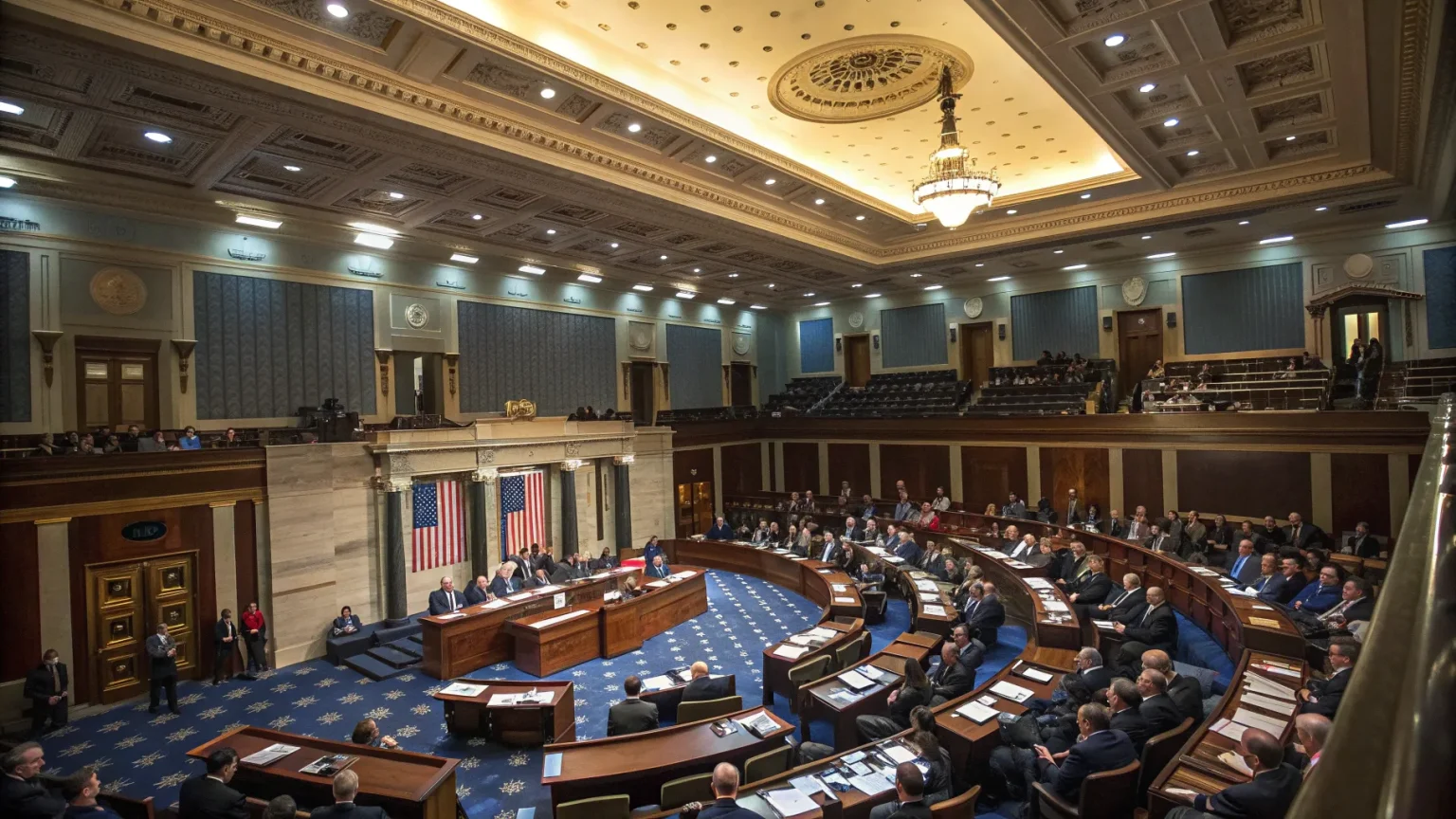
Questions over Senate support for President Donald Trump’s tax overhaul took center stage as lawmakers weighed the bill’s costs and political risks. The debate turned on whether a handful of Republican holdouts would join unified Democrats to stall the plan. The discussion arose as the White House pushed for a swift vote and business groups urged passage to secure lower rates.
At issue was whether Senate opposition could halt the package, which aimed to cut corporate taxes and trim individual rates. The timing was tight, the margins were thin, and the stakes for the administration were high.
How the Vote Count Narrowed
The Senate used budget reconciliation rules, which require a simple majority of 51 votes. With Democrats lined up against the bill, Republican leaders could afford only a few defections. Vice President Mike Pence could break a tie if needed.
That math gave outsized influence to several Republican senators concerned about deficits, middle-class relief, and the bill’s treatment of state and local tax deductions. Any late switch risked derailing the schedule and forcing another round of changes.
What the Bill Proposed
The plan cut the corporate rate from 35 percent to 21 percent and reshaped international tax rules for U.S. companies. It also reduced individual tax rates, increased the standard deduction, and capped or limited several deductions.
Nonpartisan analyses at the time, including from the Joint Committee on Taxation and the Congressional Budget Office, estimated the bill would add roughly $1 trillion to $1.5 trillion to deficits over a decade, even after accounting for economic growth.
- Corporate rate lowered to 21 percent
- Individual rates reduced, with some sunsets
- Limits on state and local tax deductions
- Estimated deficit impact: up to $1.5 trillion over ten years
Concerns From the Middle and the Right
Moderate Republicans pressed for safeguards if growth fell short of forecasts. Some asked for triggers or offsets to keep deficits in check. Senators from high-tax states warned that capping state and local tax deductions could hit their constituents.
Fiscal conservatives focused on long-term debt. They argued that permanent corporate cuts with temporary individual relief created an imbalance. The leadership responded by adjusting rates and adding last-minute tweaks to win votes without losing the reconciliation shield.
Business, Markets, and Household Impact
Corporate leaders backed the bill, saying lower rates would boost investment, hiring, and wages. Small-business groups sought clarity on pass-through provisions to ensure they would benefit alongside large firms.
Economists split on the scale of growth. Supporters pointed to stronger capital spending and stock buybacks as signs of renewed confidence. Skeptics said the gains would be uneven and warned of debt pressure in a downturn. Households faced a mixed picture, with many experiencing near-term relief, while others lost deductions based on their location and income sources.
Why the Senate Standoff Mattered
The administration framed the tax bill as a cornerstone of its economic agenda. A defeat would have carried political costs and complicated plans for follow-on issues, including infrastructure and trade priorities.
For senators on the fence, the decision balanced party unity against district-level effects. The narrow margin forced leadership to negotiate line by line, trading changes to satisfy different concerns without triggering new opposition.
What To Watch Next
If opposition hardened, leaders had two main options: trim the package to reduce the deficit hit, or shift benefits to shore up wavering votes. Either path risked alienating another faction.
In the longer term, the key tests included business investment, wage growth, and trends in federal revenue. If growth outpaced forecasts, supporters could claim vindication. If deficits widened faster than planned, calls for revisions would grow.
Gerry Baker, a media commentator and former editor with long experience covering economic policy, highlighted the central question: was there enough Senate resistance to slow or reshape the bill before the final vote? That question defined the drama, and it set the stage for a bruising finish as leaders counted every vote.
Ultimately, the debate revealed how a small group of senators could significantly influence the direction of tax policy for years. The immediate takeaway is that economic goals and fiscal guardrails pulled in different directions, and the final contours of the law depended on which concern carried the deciding vote.


