

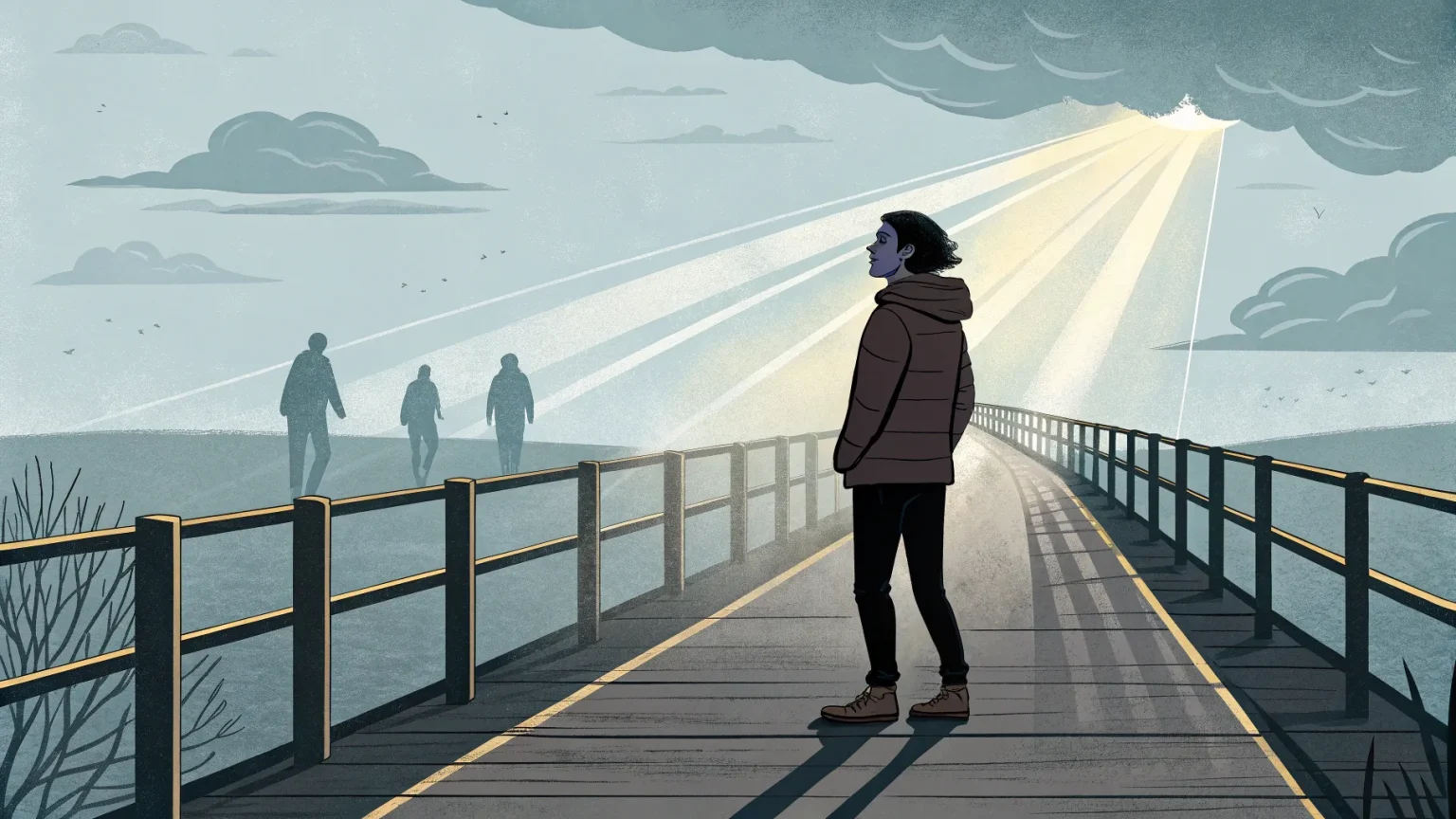
One of the hardest decisions I’ve ever made was firing my childhood friends. These weren’t just casual acquaintances—these were people I’d known since the fourth grade, friends who shared my earliest memories. Yet I had to make that painful call: “I apologize because I love you, but I don’t like myself when I’m around you. I don’t like what I do, so I’m sorry. I can’t be around you anymore.”
Those conversations still break my heart. But looking back, I can say with absolute certainty that these difficult choices saved my life.
The Courage to Choose Your Future
When I lost everything financially, I was forced to evaluate every aspect of my life. What I discovered was uncomfortable but necessary: some of my oldest relationships were holding me back from becoming the person I needed to be.
If my wife hadn’t pushed me to “divorce” these friends, I would either be dead or completely broke today. That’s not hyperbole—it’s a fact. I understand the physics of how destructive relationships work. The people we spend the most time with shape our habits, influence our decisions, and ultimately determine our trajectory.
The truth is that love isn’t always enough reason to keep someone in your life. You can genuinely love someone while recognizing that their presence brings out your worst tendencies.
The People Around You Shape Who You Become
We often underestimate how profoundly we’re influenced by our inner circle. The five people you spend the most time with will determine:
- Your financial habits and relationship with money
- Your health choices and physical well-being
- Your mindset and how you approach challenges
- Your ambitions and what you believe is possible
- Your values and what you prioritize in life
This isn’t about being judgmental or elitist. It’s about being honest about the environments that help you thrive versus those that trigger your worst behaviors.
In my case, certain childhood friendships reinforced patterns that were destroying my life. When I was with them, I made poor financial decisions, engaged in unhealthy behaviors, and lost sight of my values.
The Most Important Relationship
My wife saw what I couldn’t—or wouldn’t—see. She recognized how these relationships were affecting me and had the courage to demand change. Her intervention wasn’t controlling; it was an act of profound love.
Today, I’m able to share love with others and empower lives because I made those difficult choices. Everything I’ve rebuilt would have been impossible if I hadn’t changed who I surrounded myself with.
The most important person in my life—my wife—helped me see that sometimes love means letting go of relationships that no longer serve your highest good. It doesn’t mean those people are bad. It simply means they’re not the right influence for where you need to go.
Making the Hard Choice
If you find yourself consistently feeling drained, engaging in self-destructive behaviors, or compromising your values around certain people—even people you’ve known forever—it might be time to make a difficult decision.
Ask yourself these questions:
- Do I like who I am when I’m with this person?
- Do they bring out my best or my worst qualities?
- Are they supportive of my growth and positive changes?
- Would my future self thank me for maintaining this relationship?
Sometimes the hardest choices lead to the greatest growth. In my case, saying goodbye to childhood friends was painful, but it created space for new relationships that supported the person I wanted to become.
I still love those old friends. I wish them well. But I love myself enough now to choose relationships that help me grow rather than those that keep me stuck in old patterns.
The quality of your life is directly tied to the quality of your relationships. Choose wisely, even when it hurts. Your future self will thank you.
Frequently Asked Questions
Q: How do you know when it’s time to end a friendship rather than try to work through issues?
When you consistently don’t like who you become around someone, that’s a major red flag. If you’ve tried setting boundaries and communicating your concerns but still find yourself falling into negative patterns, it may be time to step away. Trust your gut feeling—if you feel worse after spending time with someone, your body is telling you something important.
Q: Isn’t it disloyal to end long-term friendships?
Loyalty is valuable, but not at the expense of your wellbeing or future. True loyalty includes being honest about when a relationship has become harmful. Sometimes the most respectful thing you can do is acknowledge that you’ve grown in different directions rather than pretending everything is fine while secretly resenting the relationship.
Q: How did you handle the guilt after ending these friendships?
The guilt was real and lasted a long time. I managed it by reminding myself that staying in those relationships would have been dishonest to both myself and my friends. I also focused on the positive impact this decision had on my life and family. With time, I came to see that ending these relationships was actually more respectful than maintaining them insincerely.
Q: What if the toxic person is a family member you can’t completely avoid?
With family, complete separation isn’t always possible or desirable. In these cases, creating strong boundaries becomes essential. Limit the time spent together, avoid vulnerable situations like drinking together, and have exit strategies for when interactions become negative. You can love someone from a distance while protecting your own energy and growth.
Q: How do you find new, positive relationships after ending old ones?
Focus on activities and environments aligned with your values and goals. Whether it’s professional groups, fitness communities, volunteer organizations, or spiritual gatherings, surround yourself with people who are moving in the direction you want to go. Be patient—quality relationships take time to develop, but they’re worth waiting for. Most importantly, be the kind of friend you want to attract.


