

The debate around artificial intelligence in customer service isn’t about whether to use it—it’s about how to use it. As someone who’s spent decades helping companies create exceptional customer experiences, I’ve watched the pendulum swing from human-only service to digital-first approaches and back again. We are now at a critical juncture, where finding the right balance is essential.
What troubles me is that only 15% of consumers fully trust brands’ use of their data and AI. This statistic from Twilio’s State of Customer Engagement report should alarm every business leader. The trust gap isn’t primarily about data security—it’s about companies collecting customer information but failing to utilize it to enhance customer experiences.
The Broken Promise of Personalization
Think about this scenario: You share your information with a company, expecting them to use it to serve you better. Then you have to contact them through another channel and start all over again. Sound familiar? This disconnect instantly erodes trust.
The problem isn’t that companies have your data—it’s that they’re not using it effectively. When I ask customers why they don’t trust companies with their information, they rarely mention privacy concerns as their primary concern. Instead, they wonder: “Why did you ask for all this data if you’re not going to use it to help me?”
We’ve been discussing personalization in marketing for 15-20 years, yet most companies still haven’t fully mastered it. What many call “personalization” is actually just basic segmentation—sending golf shoe promotions to golf shoe buyers. True personalization—or what I might call individualization—creates unique experiences for each customer based on their specific needs and history.

AI as an Accelerant, Not a Replacement
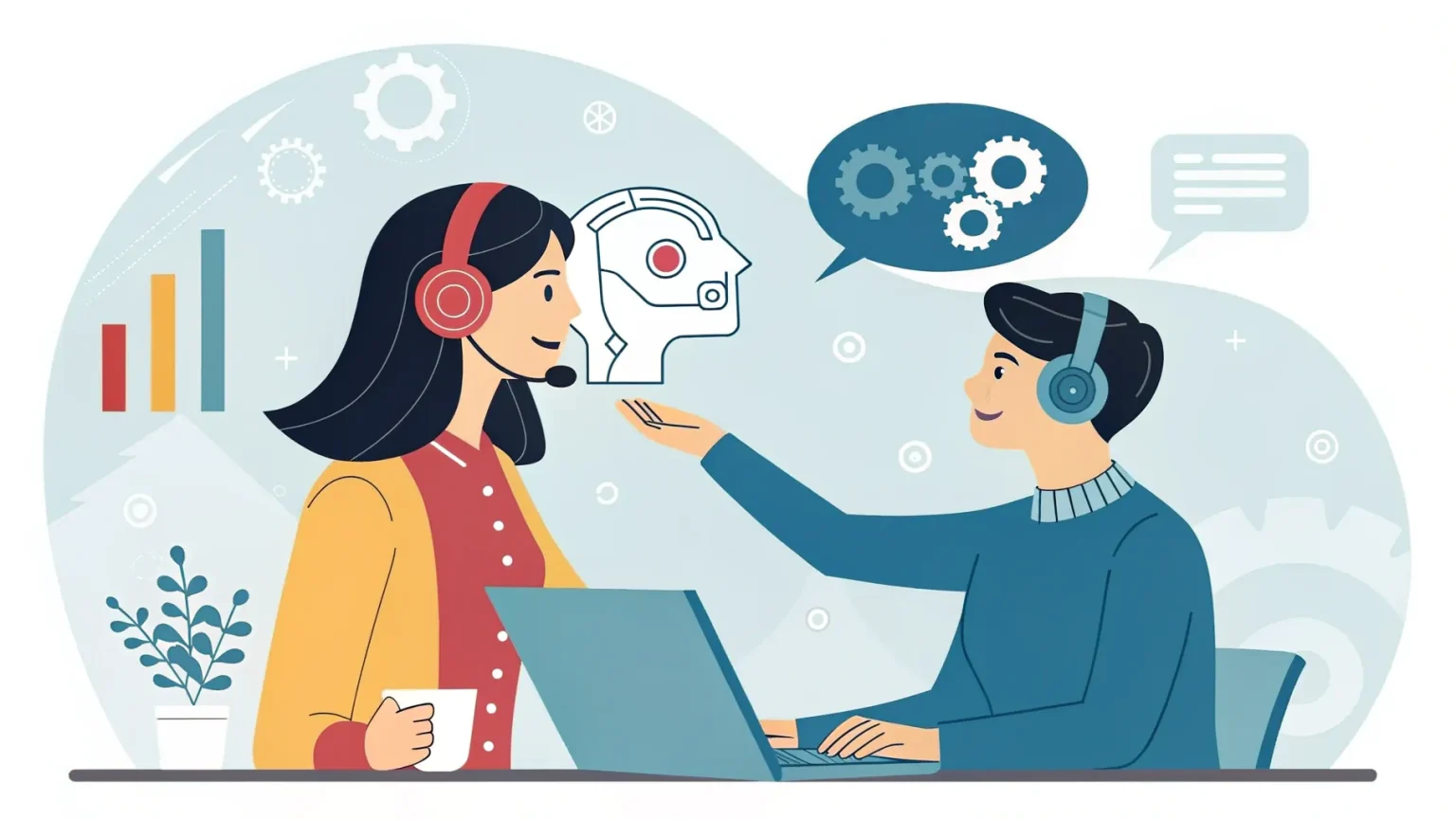
Here’s my firm belief: AI should be an accelerant for customer experience, not a replacement for human connection. The goal isn’t to eliminate humans from the equation but to automate the low-value tasks so your team can focus on what humans do best—solving complex problems, showing empathy, and building relationships.
Despite the push toward digital, our research shows that 70% of consumers still prefer phone support. Even more telling, 34% have stopped doing business with companies that don’t offer digital options. This isn’t contradictory—it shows customers want choice and convenience above all else.
People don’t care which channel they use; they just want their problems solved efficiently.
The best companies understand this and design their service strategy accordingly. They don’t force customers into a single channel because it’s cheaper or easier for the business. They meet customers where they are.
Transparency Builds Trust
If you’re using AI in customer interactions, be transparent about it. Nothing erodes trust faster than deception. When customers discover they’ve been chatting with a bot that was pretending to be human, they feel misled.
Recently, I interacted with a company’s AI chatbot that clearly identified itself as automated. When it couldn’t answer my question, it collected my email address and promised a human follow-up. Within 30 minutes, I received the follow-up with direct contact information. The handoff wasn’t seamless, but the transparency and follow-through maintained my trust.
Putting Customers First in the AI Era
As we navigate this new era of AI-enhanced customer experience, here are the principles I believe should guide our approach:
- Start with the customer experience you want to create, then determine how technology can support it—not the other way around
- Be transparent about AI use and provide clear paths to human assistance
- Use the data you collect actually to improve customer experiences
- Offer channel choice while ensuring consistent service quality across all options
- Focus on solving customer problems efficiently, regardless of channel
The companies that will thrive in this new landscape aren’t those with the most advanced AI, but those who use technology thoughtfully to enhance human connections rather than replace them.
We often get so caught up in what technology can do that we lose sight of what customers actually want. The future of customer experience isn’t about choosing between digital and human—it’s about creating the perfect blend of both.


