

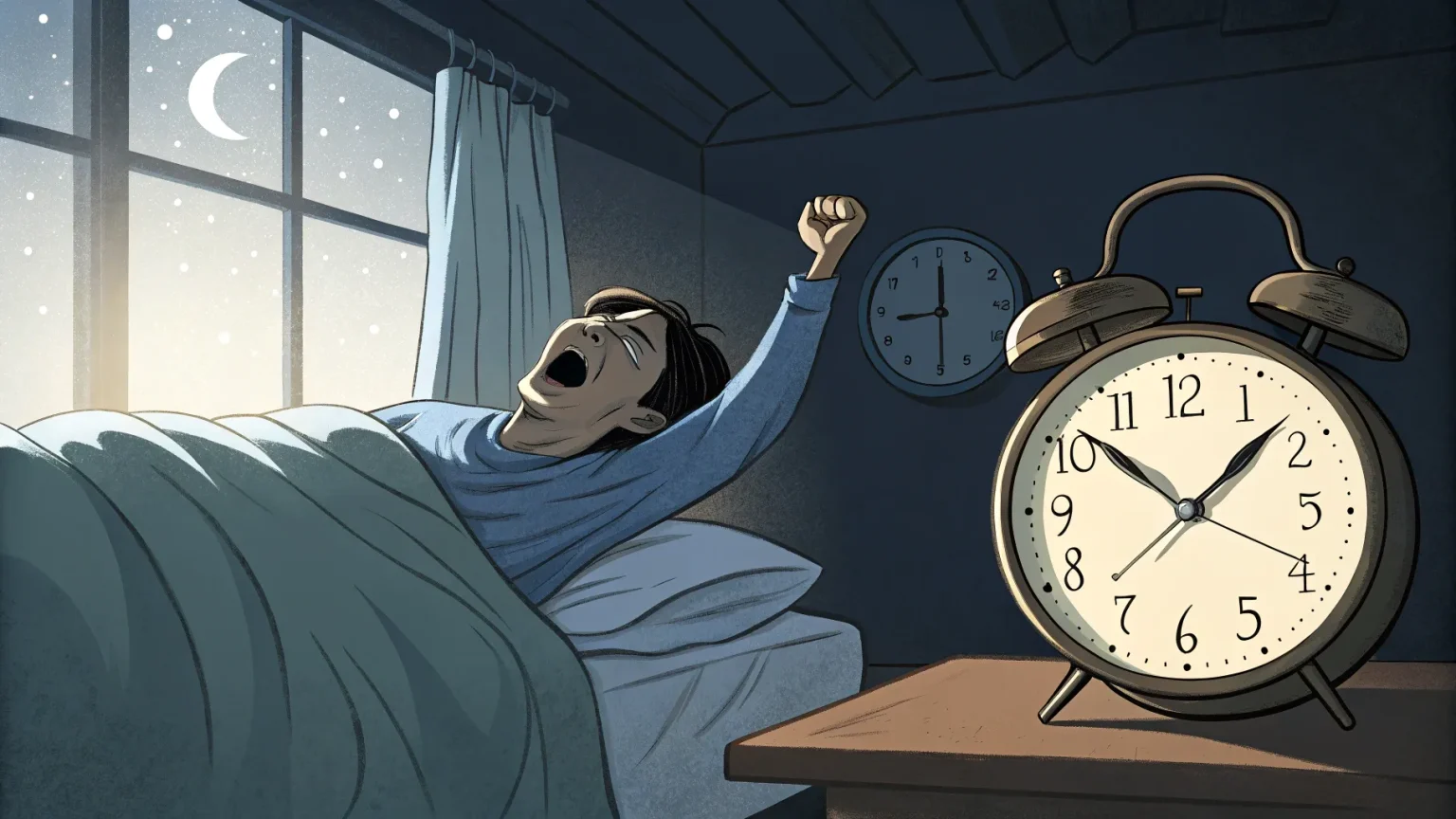
Have you ever stopped to think about how ridiculous it is that most people on this planet go to bed at night and wake up feeling more tired in the morning? This makes absolutely no sense when you really examine it.
Sleep is supposed to be restorative. It’s meant to recharge our batteries and prepare us for the day ahead. Yet somehow, we’ve normalized the experience of waking up exhausted. We accept this daily energy deficit as if it’s just part of life.
This acceptance of chronic fatigue is one of the greatest collective delusions of modern society.
A Simple Thought Experiment
Consider this scenario: If I invited you and several friends out to dinner, and we all sat down for a two-hour meal with plenty of food, how would you react if everyone stood up afterward and said, “Man, I’m starving”?
You’d immediately recognize something was fundamentally wrong. The purpose of eating is to satisfy hunger. If eating for two hours left everyone hungrier than before, we’d know the system was broken.
Yet when it comes to sleep, we accept failure as normal. We go to bed tired, sleep for seven or eight hours, and wake up even more exhausted. And instead of questioning this broken system, we simply reach for coffee and trudge through our day.
Why We Accept This Madness
I believe we’ve normalized sleep dysfunction for several reasons:
- We compare ourselves to others who are equally tired, creating a false baseline
- The modern hustle culture glorifies exhaustion as a badge of honor
- We’ve forgotten what truly restorative sleep actually feels like
- Many people don’t understand the science of sleep cycles and quality
When everyone around you is dragging themselves through the day on caffeine and willpower, it’s easy to think that’s just how life works. But it’s not.
Rethinking Our Relationship With Sleep
The first step toward change is recognizing the absurdity of our current situation. Why do we accept waking up tired as normal? Why don’t we demand more from our sleep?
In my work coaching high-performers, I’ve found that quality sleep is often the most undervalued performance enhancer available. When my clients fix their sleep, everything else improves – their decision-making, creativity, emotional regulation, and overall effectiveness.
Sleep isn’t just about rest; it’s about optimization. It’s the foundation upon which all other success is built.
We need to start treating sleep with the same seriousness we give to other aspects of health and performance. No one would accept a workout routine that made them weaker or a diet that left them malnourished. Why accept sleep that leaves you tired?
Breaking the Cycle
Changing your relationship with sleep starts with expecting more from it. Here’s what I recommend:
- Set a consistent sleep schedule, even on weekends
- Create a sleep environment that’s cool, dark, and quiet
- Develop a wind-down routine that signals to your body it’s time to rest
- Limit screen time before bed to reduce blue light exposure
- Consider tracking your sleep to understand your patterns
The goal isn’t just more sleep – it’s better sleep. Quality matters more than quantity, though most adults still need 7-9 hours to function optimally.
I challenge you to stop accepting tiredness as your default state. Demand more from your sleep. When you wake up in the morning feeling refreshed and energized, you’ll wonder how you ever accepted anything less.
The next time you wake up tired, don’t just reach for coffee. Ask yourself why this happened and what you can do to fix it. Your future self will thank you for refusing to accept exhaustion as normal.
Frequently Asked Questions
Q: How can I tell if my sleep quality is poor even if I’m getting enough hours?
If you’re sleeping for 7-9 hours but still waking up tired, you may have poor sleep quality. Signs include waking up multiple times during the night, snoring, feeling groggy despite adequate time in bed, and needing caffeine to function. A sleep tracker or consultation with a sleep specialist can help identify issues with your sleep architecture.
Q: What are some common causes of waking up tired despite getting a full night’s sleep?
Common culprits include sleep apnea, poor sleep hygiene, irregular sleep schedules, excessive alcohol consumption, certain medications, stress, anxiety, depression, and underlying health conditions. Environmental factors like noise, light, and temperature can also significantly impact sleep quality without reducing total sleep time.
Q: How long does it take to reset your sleep cycle if you’ve been chronically tired?
Resetting your sleep cycle typically takes about 2-3 weeks of consistent sleep habits. Your body needs time to adjust to new patterns and rebuild sleep debt. Be patient with the process and maintain consistent bedtimes and wake times, even on weekends, to see lasting improvement.
Q: Are naps helpful or harmful if I’m trying to improve my nighttime sleep?
Short naps (20-30 minutes) before 3 PM can be beneficial without disrupting nighttime sleep. However, longer naps or napping late in the day can interfere with your ability to fall asleep at night. If you’re working on improving sleep quality, consider limiting naps or keeping them brief and early.
Q: How does diet affect sleep quality and morning energy levels?
What you eat and when you eat it significantly impacts sleep quality. Heavy meals close to bedtime can cause discomfort and acid reflux. Caffeine and alcohol disrupt sleep architecture even if they don’t prevent you from falling asleep. Focus on a balanced diet with complex carbohydrates, lean proteins, and foods rich in magnesium and tryptophan to support healthy sleep patterns.


